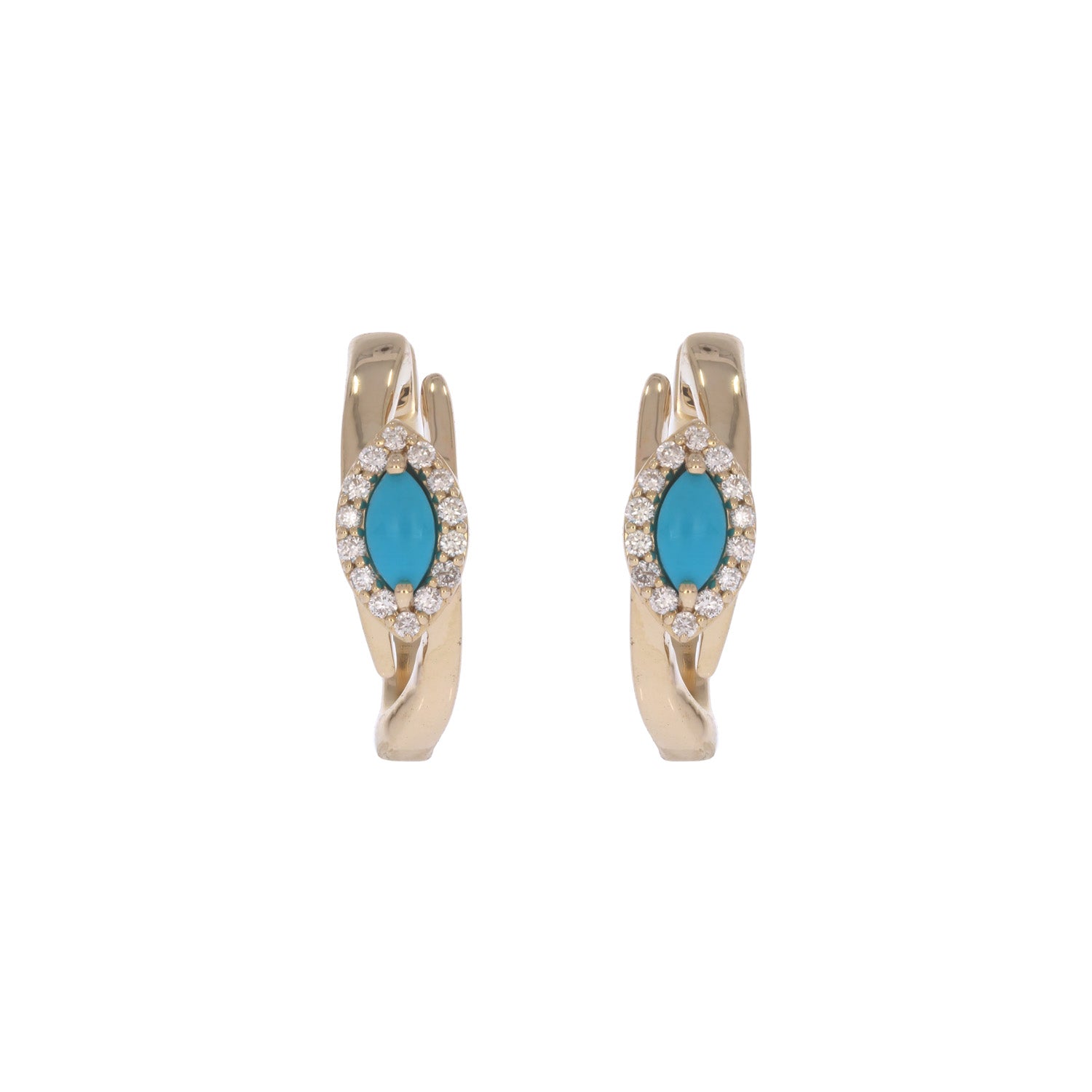

Gold Vermeil vs Gold Filled: Which Gold Jewelry Actually Lasts?
When it comes to picking beautiful, long-lasting, affordable gold jewelry most buyers eventually face one big question: gold vermeil vs gold filled which one makes more sense for durability, value, allergies, and everyday wear? It’s a debate that isn’t just trending on search platforms it’s actively influencing smart purchase decisions across the jewelry world.
And honestly, it should. Gone are the days when people bought jewelry based on shine alone. Today’s buyer wants to understand the core of the jewelry, the real thickness, the metal behavior, the wear life, and whether the investment is worth it for their lifestyle.
Gold Vermeil and Gold Filled both sit in the category of affordable, long-lasting gold alternatives, but they are built differently, wear differently, and react differently with environment, skin, moisture, friction, and chemicals.
So today, we are not doing basic info. We are digging deep. We will decode legal thickness standards, durability claims, real-world use cases, tarnish facts, allergy safety, gold wear-off behavior, price-to-value ratio, and real care routines that increase longevity.
Quick Answer: Which Should You Choose?
Choose Gold Vermeil: Sensitive skin, occasional wear, special occasions, want 18k-24k gold purity building a diverse collection on a budget.
Choose Gold Filled: Daily wear, active lifestyle, maximum durability, low maintenance, want jewelry lasting 10-30+ years.
Real talk: Vermeil = affordable luxury for rotation wear. Gold-filled = exceptional longevity for everyday staples.
What Is Gold Vermeil?
Gold vermeil (ver-may) isn't just fancy plating. It's a legally regulated jewelry type with strict standards protecting buyers.
To qualify as vermeil three requirements must be met: sterling silver base (92.5% pure silver) a minimum 2.5 micron gold layer and at least 10k gold purity (though most use 18k or 24k).
The 925 silver base metal gold vermeil construction matters because silver naturally resists skin irritation. The gold bonds to silver through electroplating, creating an even coating that gives vermeil its warm glow.
Premium pieces feature 3-5 micron gold layers instead of the minimum 2.5. That extra thickness adds months or years to the jewelry's lifespan before any wear shows.
Why choose vermeil? The sterling silver base adds real weight and substance. It feels premium, not cheap. Plus, the combination of silver and gold makes it genuinely hypoallergenic jewelry for sensitive skin, rarely triggering reactions.
The trade-off? Sterling silver can oxidize when exposed to air and moisture. The gold layer protects it initially, but as gold wears thin in high-friction areas, that silver underneath may eventually darken.
What Is Gold Filled?

Don't let the name confuse you. Nothing's being "filled." Gold filled means a thick solid gold layer mechanically bonded to a base metal core, usually brass.
By law gold-filled jewelry must contain at least 5% gold by total weight. This translates to gold that's 50-100 times thicker than standard plating. We're talking 50-100 microns of real 14k gold versus vermeil's 2.5-5 microns.
When you see "1/20 14k GF" stamped on jewelry, it means one-twentieth of the total weight is 14 karat gold. That's the standard ratio ensuring you get substantial real gold content.
The manufacturing process uses heat and pressure to permanently bond thick gold sheets to brass. They then roll this bonded material into sheets or wire for making jewelry. The result? Gold forms a thick protective skin around the brass that won't peel flake or chip off.
Why brass underneath? It's affordable malleable for jewelry-making, and provides structural strength. More importantly, that 50-100 micron gold barrier keeps the brass completely sealed away from your skin and the environment.
This construction makes 14k gold-filled everyday wear jewelry incredibly durable. You can wear it constantly without watching it fade or change color making it ideal for 14k gold filled chains and pieces you rarely remove.
Also Read: What is Gold Filled Jewelry? Quality, Care & Value
The Thickness Factor: Why It Determines Everything
Gold layer thickness standards aren't just technical specs. They directly determine how long your jewelry maintains its appearance.
Vermeil's 2.5-5 microns is genuinely thin but substantially better than cheap plating (often just 0.5 microns). Think of it like a few coats of paint protecting the silver underneath.
Gold filled's 50-100+ microns is dramatically thicker. Imagine 20-40 coats of paint versus 2-3. That's the protection difference we're discussing.
This thickness gap explains performance differences. A ring's inner band slides across your finger thousands of times daily. Each movement removes microscopic gold amounts. With vermeil's thin layer, you might see silver after 1-3 years of daily use. With gold filled's thick layer, the same wear takes decades to show effects.
For gold filled chains resting against clothing, fabric friction gradually wears gold. A vermeil chain might show wear between links after 2-3 years. An identical gold filled chain could last 20-30 years before any brass appears.
Thickness also determines if pieces can be professionally polished. Gold filled handles polishing multiple times throughout their lifetime. Aggressive vermeil polishing risks wearing through the already-thin layer faster.
Does Gold Vermeil Tarnish?
Pure gold never tarnishes, but the sterling silver base underneath can oxidize if exposed. That's the honest answer about vermeil.
Quality gold vermeil with thick, well-applied coating resists tarnishing for considerable time. The gold acts as a protective barrier preventing air and moisture from reaching silver. However, as gold naturally wears thin in high-contact areas, silver may eventually become exposed.
You'll notice darkening first on earring backs, ring inner bands, or spots where jewelry rubs against skin or clothing. This typically takes 1-3 years with daily wear, longer with occasional use.
Your environment and body chemistry matter significantly. High humidity accelerates silver oxidation. Some people's skin produces more acids that react with silver. Industrial area air quality with sulfur compounds causes faster tarnishing once silver's exposed.
Good news? Silver tarnish isn't permanent damage. Polish with soft cloths designed for silver jewelry. Many people simply have vermeil replated once gold thins, restoring like-new appearance affordably.
Care tip: Apply perfumes and lotions before wearing to extend shine and reduce early tarnish risks.
Does Gold Filled Tarnish?
Gold-filled jewelry is loved for its impressive tarnish resistance comparison making it a top pick when buyers compare gold vermeil vs gold filled for longevity. Unlike plating, gold filled uses a thick pressure-bonded gold layer (typically 50–100 microns) often in 14k gold alloy which supports 14k gold-filled everyday wear without quick surface loss.
Brass and similar base metals can oxidize only if exposed directly, but the bonded gold layer keeps the core sealed from air, moisture, and routine chemicals in normal wearing conditions. So while people search questions like Does gold-filled tarnish, the honest answer is: it can but only in rare cases such as very deep scratches reaching the base or extreme chemical exposure.
For everyday pieces like chains, rings, or pendants gold filled remains one of the most reliable Affordable long-lasting gold alternatives, requiring only basic scratch-free storage and gentle cleaning. It offers durability that handles daily life confidently and stays bright for years with minimal maintenance.


Which Lasts Longer: Real-World Durability
Gold filled wins decisively for daily wear longevity. The thick gold layer withstands years or decades of constant use, friction, skin oil exposure, and normal environmental conditions. Many gold filled pieces get passed down through generations still looking nearly pristine.
A gold filled wedding band worn daily for 20-30 years typically still shows predominantly gold with minimal wear. The substantial thickness handles life's bumps without showing it. Occasional water contact, daily removal and replacement even sleeping in pieces gold-filled tolerates these without rapid deterioration.
Gold vermeil has a shorter lifespan before showing wear, but context matters. Daily wear with constant friction shows silver peeking through after 1-3 years in high-contact zones. Heavy hand use or wearing during typing/exercise accelerates this timeline.
However, vermeil's longevity improves dramatically with occasional wear. Statement earrings worn monthly might last 5-10 years looking perfect. Special necklaces reserved for dressy occasions could provide a decade of beautiful wear.
Realistic expectations: Daily vermeil ring by someone typing frequently might show silver after 18 months. Same ring with less hand-intensive job might last 3 years. Vermeil necklace worn twice monthly could look new for 5-7 years.
Shopping strategy: Everyday staples warrant gold filled investment for exceptional longevity. Fashion pieces rotating through your collection or special occasion jewelry work beautifully as vermeil, where lower cost makes sense given reduced wear exposure.
Best for Sensitive Skin: Hypoallergenic Comparison
Both qualify as hypoallergenic options but achieve this differently, making one potentially better for your specific sensitivities.
Gold vermeil excels for sensitive skin because both base and coating are naturally gentle. Sterling silver is one of the most skin-friendly metals available, used even in medical-grade jewelry because it rarely provokes reactions. Pure gold coating (especially 18k or 24k gold vermeil) adds another skin-safe layer.
Even as gold eventually wears thin and silver becomes exposed, that silver won't trigger reactions in most people. This reliability matters especially for earrings piercing skin or necklaces resting against sensitive neck areas.
Higher gold purity in vermeil means better for sensitive skin. 24k gold vermeil contains pure gold with no alloy metals causing issues. Even 18k vermeil (75% pure) minimizes potential irritants.
Gold filled is also generally hypoallergenic with one caveat. As long as thick gold layer remains intact, you're wearing 14k gold against skin, which rarely causes reactions. Brass core stays completely sealed from skin contact.
However, with severe nickel allergy, if a piece somehow gets damaged exposing brass core, you could potentially react. Brass contains copper and zinc, sometimes trace nickel depending on formulation. This scenario is unlikely because gold filled's 50-100 micron barrier provides reliable protection.
Decision guide: Mild to moderate sensitivities? Both work well. Severe allergies with multiple jewelry reactions? Vermeil's sterling silver base offers most reliable hypoallergenic properties since both base and coating are skin-safe.
Price vs Value: The Real Cost Over Time
Initial price tells only part of the story. True value requires calculating cost over your actual wearing lifetime.
Gold vermeil costs less upfront. Straightforward manufacturing and less gold overall keeps prices accessible. Quality vermeil pendants run $40-80, earrings $30-70. This makes building a diverse collection or trying gold-toned accessories financially feasible.
Gold filled commands higher initial prices due to greater gold content and intensive manufacturing. Comparable gold filled pendants cost $80-150, earrings $60-120. Real material costs create this premium.
But here's the value calculation that matters:
Vermeil ring: $60 initial + replating every 2-3 years ($35 each) = $60 + (3 replatings × $35) = $165 over 10 years
Gold filled ring: $120 initial, lasts 10+ years without replating = $120 total over 10 years
Gold-filled actually costs less long-term while requiring zero maintenance. This value proposition makes it economical for frequently-worn pieces.
For occasional wear, vermeil delivers excellent value. Special occasion earrings worn monthly won't need replating for years. Lower upfront cost becomes the determining factor.
Both cost dramatically less than solid gold while looking identical when new. Solid 14k bracelet: $400-1,200. Gold-filled version: $100-250. Vermeil version: $60-150. Appearance difference is imperceptible but the financial difference is substantial.
Smart approach: Invest in gold-filled for constant-wear pieces like everyday chains or wedding bands. Choose vermeil for fashion pieces, seasonal accessories or styles you'll rotate. Match construction to actual usage patterns for maximum value.
Care Requirements: What Actually Matters
Daily habits determine whether jewelry looks good for months or years. Here's what genuinely matters for each type.
How to Care for Gold Vermeil Jewelry
Proper care extends the life of your vermeil pieces significantly:
-
Store separately in a fabric-lined jewelry box to prevent scratching from other pieces.
-
Remove before water exposure including showering, swimming, and washing hands when possible.
-
Avoid chemicals like perfume, hairspray, lotions, and cleaning products. Apply these before putting on vermeil jewelry.
-
Clean gently using a soft, lint-free cloth. Avoid abrasive materials that could wear the gold layer.
-
Professional maintenance can include re-plating every few years to restore the original finish.
-
Limit wear time by removing vermeil jewelry before sleeping or exercising.
How to Care for Gold Filled Jewelry
Gold filled pieces are more forgiving but still benefit from proper care:
-
Clean regularly with warm water and mild soap, using a soft cloth or brush for detailed areas.
-
Wear freely during most daily activities, including showering (though removing is ideal for maximum longevity).
-
Avoid harsh chemicals like chlorine, which can affect the gold layer over time.
-
Store properly to prevent scratches, though gold filled is less prone to damage than vermeil.
-
Polish occasionally with a jewelry polishing cloth to maintain brilliance.
-
Professional cleaning is safe for gold filled jewelry and can restore shine.
The durability of gold-filled means you can enjoy your pieces with less worry about damage from normal wear.
Side-by-Side Comparison
|
Feature |
Gold Vermeil |
Gold Filled |
|
Base Metal |
Sterling silver (92.5% silver) |
Brass (copper-zinc alloy) |
|
Gold Thickness |
2.5-5 microns |
50-100+ microns |
|
Gold Content |
1-2% by weight |
5-10% by weight |
|
Manufacturing |
Electroplating |
Pressure-bonded layers |
|
Gold Purity |
18k or 24k |
14k |
|
Daily Wear Lifespan |
1-3 years before wear shows |
10-30+ years |
|
Tarnish Resistance |
Moderate (silver can oxidize) |
Excellent (brass sealed) |
|
Sensitive Skin |
Excellent (silver + gold) |
Very good (gold protects) |
|
Water Tolerance |
Low (remove before exposure) |
Moderate (occasional OK) |
|
Initial Cost |
Lower ($30-80 typical) |
Higher ($60-150 typical) |
|
Maintenance |
Regular gentle care required |
Minimal care needed |
|
Best For |
Special occasions, sensitive skin, rotation wear |
Daily wear, active lifestyles, long-term pieces |
|
Replating |
Yes, affordable every 2-3 years |
Rarely needed |
|
Weight/Feel |
Heavier (silver density) |
Lighter (brass less dense) |
How to Choose: Your Lifestyle Determines Everything
Stop trying to find the "better" option. Neither is universally superior. Match jewelry type to how you'll actually use it.
Choose vermeil when:
- You have documented metal sensitivities or severe allergies
- Building a diverse collection on limited budget
- Buying fashion pieces you'll rotate seasonally
- Want special occasion jewelry worn monthly or less
- Prefer higher karat gold's rich color (18k-24k)
- Need hypoallergenic earrings for freshly pierced ears
Choose gold filled when:
- You need jewelry for daily wear without removal
- Want maximum durability for active lifestyle
- Buying wedding bands or commitment jewelry
- Prefer low-maintenance pieces requiring minimal care
- Want jewelry lasting decades without replating
- Need pieces tolerating occasional water exposure
Strategic approach many jewelry lovers use: Gold filled for everyday basics (chains, simple earrings, bracelets you never remove). Vermeil for statement pieces, occasion jewelry, and fashion-forward styles.
Your honest habits matter more than idealized intentions. If you genuinely will remove jewelry before showering and store it carefully, vermeil works beautifully. If you're realistic about being someone who puts jewelry on and forgets about it, gold filled's durability prevents disappointment.
For building a complete collection, consider gold filled chains for everyday wear layering, vermeil statement earrings for special events, and mixing both types strategically based on each piece's intended purpose.
Also Read: Gold Filled vs. Solid Gold: What’s Right for You?
Final Take: Match Jewelry to Your Real Life
Both gold vermeil and gold filled deliver accessible luxury that looks virtually identical to solid gold. Understanding their construction differences empowers smart purchasing decisions aligned with your actual lifestyle not marketing claims.
Gold vermeil provides an excellent entry point for quality gold jewelry especially for sensitive skin or anyone enjoying frequently updated collections. A sterling silver base and pure gold coating create substantial luxurious pieces at accessible prices. With proper care vermeil serves beautifully for special occasions and rotational wear.
Gold filled represents a smart long-term investment for pieces you'll wear regularly for years or decades. A thick gold layer and durable construction make it ideal for everyday staples like chains bracelets and wedding bands. The higher initial cost delivers exceptional value through longevity and minimal maintenance requirements.
Rather than viewing these as competing options consider them complementary. Strategic jewelry lovers maintain collections featuring both and select each type based on intended use. This maximizes value while ensuring appropriate jewelry for every occasion.
Whether you choose vermeil's warm purity or gold-filled's enduring quality you're investing in jewelry that brings joy and beauty to daily life. Both prove accessible luxury can deliver genuine quality allowing you to build a collection that reflects personal style without compromise.
The best jewelry is jewelry you actually wear. Choose based on your honest habits and lifestyle and you'll be happy with either option.
Also Read: Gold Filled vs Gold Plated: Which Is Best for You?
FAQs
Can I shower with gold filled or gold vermeil?
Avoid showering with both types. While gold filled tolerates occasional water exposure better, repeated exposure to water and chemicals accelerates wear on both. Removing jewelry before showering significantly extends lifespan for vermeil and gold filled alike.
Which is better for sensitive skin?
Gold vermeil is generally better for extremely sensitive skin because sterling silver base is naturally hypoallergenic. Gold filled is also hypoallergenic as long as the gold layer stays intact. For most people, both work well, but severe allergies may favor vermeil.
What does 1/20 14k GF mean?
This marking indicates that one-twentieth of the item's total weight is 14k gold. It's the legal standard for gold-filled jewelry, ensuring about 5% pure 14k gold by weight, forming a thick 50–100 micron protective layer.
Is gold vermeil worth it?
Yes, for the right applications. Gold vermeil provides a luxurious look at accessible prices and is great for occasional wear or collection building. It's not ideal for heavy daily wear, where gold filled offers better long-term durability.
Does 24k gold vermeil last longer than 14k gold filled?
No. Even though 24k is purer, its 2.5–5 micron layer wears faster than gold filled’s 50–100 micron layer. Thickness matters more than purity for durability. However, 24k vermeil has a richer color and excellent hypoallergenic properties.
Can gold filled jewelry be replated?
Rarely needed because the gold layer is thick enough to last decades. If extreme wear occurs, replating is possible but uncommon and may be more expensive than replating vermeil.
How can you tell the difference between gold vermeil vs gold filled?
Check markings: vermeil may show “vermeil” or “18k vermeil,” while gold filled displays “GF” or “1/20 14k.” Gold filled typically costs more and feels heavier due to thicker gold content. Reputable sellers always specify the type.
Which is better for everyday earrings: gold vermeil or gold filled?
Gold filled is better for daily earrings because frequent friction can wear down vermeil faster. However, extremely sensitive ears may prefer vermeil due to its sterling silver base.
Is gold filled better than vermeil for necklaces and chains?
Yes. Chains undergo constant movement and friction. Gold-filled chains last decades with daily wear, while vermeil chains are better for occasional use.