Beads for Jewelry Making
Nobody notices good beads. That's kind of the point. A bracelet strung with cheap, thin-walled beads looks tired in a month, sometimes less. Same design in solid gold or real 925 sterling silver, and it still looks new three years down the line. That's really the whole case for buying beads for jewelry making from someone who actually knows metal instead of just running a catalog full of SKUs.
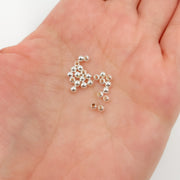
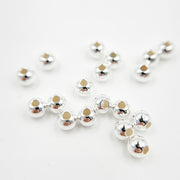
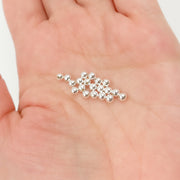
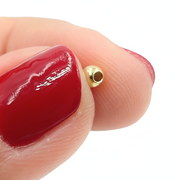
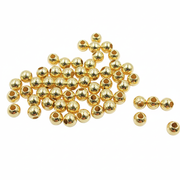
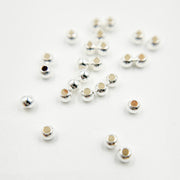
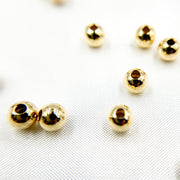
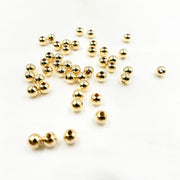
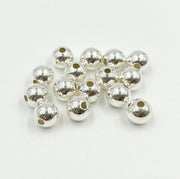
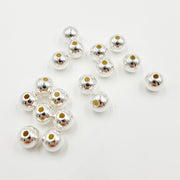
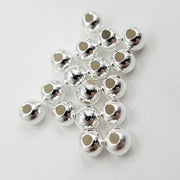
Tresor Jewelry stocks gold beads, solid gold beads, sterling silver beads, and silver beads for jewelry making, in the sizes and finishes that working jewelers and small studios actually reach for. Not every size in every finish forever, just the ones that keep getting reordered.
Why metal over glass, wood, or acrylic? Mostly it comes down to wear. A silver spacer bead sitting between two gemstones on a bracelet gets knocked against desks, water, hand lotion, you name it, every single day. It still needs to look right a year from now. Gold and silver hold up to that. Most other materials don't, at least not for long.
In this collection: gold beads in a few karats and finishes, solid gold beads from tiny spacers up to bold statement rounds, sterling silver in 925 purity, and round plus spacer beads for standard bracelet and necklace builds.
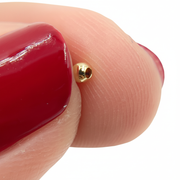
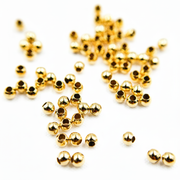
Gold Beads for Jewelry Making
Two main forms show up in this category, solid gold and gold filled. Both have their place, honestly. Solid gold is the real investment, the durability play, and it's what most fine jewelry brands specify when a piece is going out at a premium price. Gold filled bonds a thick layer of real gold over a base metal core. Looks and feels close to solid gold, costs a fraction of it. Makes a real difference when you're producing at any real volume.
What actually matters when you're picking beads: hole diameter needs to be consistent so wire or cord threads through clean every time. Polish shouldn't need re-buffing after two or three wears. And weight has to feel substantial without dragging the piece down.
Best used in bracelets and necklaces where gold carries the design, earring drops that need a bit of weight to hang right, and anywhere you're mixing metals with gemstones or pearls and the gold needs to hold its own next to the stone. Most professional jewelers settle on one supplier for this reason alone, since even a tiny size variance across a batch throws off symmetry in the finished piece.
Solid Gold Beads
Exactly what it sounds like. No plating, no fill, no base metal hiding underneath. Just gold, usually 14K or 18K, shaped into rounds or spacers.
14K sits at 58.3% pure gold, alloyed for strength. It's the karat most designers reach for first, since it balances durability against a warm color that won't fade with normal wear. 18K runs richer, closer to 75% pure, and tends to go into higher end pieces where that deeper gold tone is basically the point.
On durability, solid gold is about as close to buy once as beads get. No flaking, no wearing through to a different color underneath, and pieces can get resized or restrung decades later without losing value. Gold filled and gold plated can't really claim that. Worth knowing before you commit a whole design to one or the other.
For everyday jewelry, solid gold shrugs off water, lotion, daily wear, general life, without much upkeep beyond an occasional polish. For luxury lines it's often just non-negotiable. Customers paying premium prices expect solid metal, not a plated stand-in.
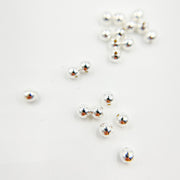
Sterling Silver Beads
925 sterling silver runs 92.5% pure silver, the rest usually copper, added because pure silver alone is too soft to hold a bead's shape once it's being handled regularly.
This is the workhorse of the whole lineup. Shows up in more designs than any other metal bead because it pairs with basically anything, gemstones, pearls, leather cord, gold accents. Jewelers lean on it for the bulk of production runs since it holds detail well and takes a polish beautifully.
For handmade work it's just easier to deal with. Crimps cleanly, forgives a mid-assembly mistake if you need to restring, and doesn't dent as easily as some softer metals do.
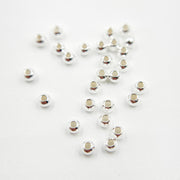
Silver Beads
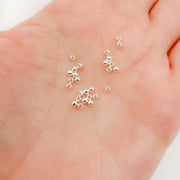
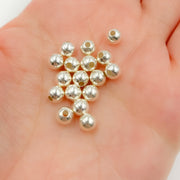
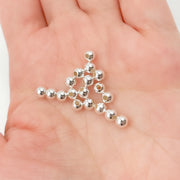
Outside the strict 925 label, "silver beads" covers the wider range of silver toned beads used in bracelets, necklaces, earrings, all of it. Round is the most requested shape by far, mostly because a plain polished round fits any design style, minimalist or maximalist.
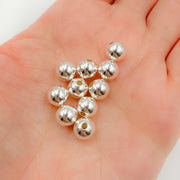
Small silver beads work as spacers in bracelets, keeping gemstones from knocking against each other and giving the piece a finished look. Necklaces usually call for bigger sizes since there's more visual space to fill and larger beads read better at a distance. Earrings tend to use silver beads as simple drops, or stacked on headpins for a layered dangle look.
Some designers mix silver with gold accents for a two tone piece. Been popular for years now, mostly because it lets one piece work with jewelry someone already owns in either metal.
Spacer Beads
Spacer beads don't get much credit. Their whole job is creating breathing room between the "star" pieces, gemstones, pearls, charms, whatever the focal point is. Skip the spacers and a strand of gemstones can look crowded and heavy fast. Drop in small metal spacers every couple stones and the eye finally has somewhere to land.
Most spacer sizes stay small on purpose, the goal is subtlety, not competing for attention. Some designers do go slightly bigger when they want more separation, or when the stones themselves are chunkier. A single strand can get restyled several times just by changing spacer placement, which is why a lot of experienced designers keep loose spacers on hand rather than buying per project.
Round Beads
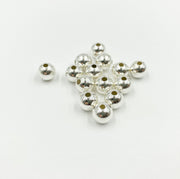
Round is the most used bead shape in the whole category, by a wide margin. Plain, polished, works with nearly everything. Can carry the whole design or sit quietly next to gemstones and pearls as an accent.
Simple advice here: pick a couple of sizes you use often and just keep them stocked, instead of reordering fresh for every project. Round beads pair with almost any style, so having them on hand cuts down on delays. Used solo for a clean minimalist bracelet, mixed into gemstone strands for texture, or as small connectors between chain segments on a necklace.
Choosing the Right Bead Size
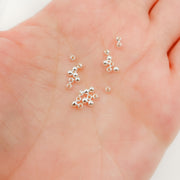
This is where a lot of first time buyers trip up. A couple millimeters changes the whole look, and the bead count needed, more than people expect.
For bracelets, smaller usually wins. A wrist doesn't carry weight the way a neck does, and smaller beads keep things flexible and comfortable. Necklaces can handle bigger beads, especially if the piece is meant to be a statement rather than something subtle. Earrings really depend on the drop you're going for, small beads stacked on a headpin for delicate dangles, or one larger bead doing the whole job by itself.
How to Choose the Right Beads
Rarely comes down to just color. A handful of things actually decide whether a bead is right for a project.
Material first. Solid gold for investment pieces, sterling silver for everyday versatility, gold filled when you want the gold look but need better margins at volume. Color matters too, warm gold tones sit naturally with warm stones like citrine or garnet, cool silver pairs with amethyst or blue topaz.
Size depends on the piece, smaller for bracelets and delicate work, bigger for necklaces and anything meant to stand out. Weight is worth thinking through since heavier beads add drape and drama, sure, but overdo it and a bracelet gets uncomfortable fast.
Hole size gets overlooked constantly, and it shouldn't. Check that the hole actually fits your wire, cord, or chain gauge before ordering in bulk. This one detail causes more returns industry wide than almost anything else. Finish is the last call: polished for something clean and reflective, matte or brushed for understated, corrugated or textured if you want the bead catching light on its own.
Jewelry Making Applications
Bracelets mostly use small to medium round and spacer beads, balanced against a gemstone or pearl focal point. Necklaces can carry more visual weight since they're viewed from further away, so bigger beads make sense there.
Earrings need to stay light, often stacked on headpins or used as a single drop. Pendants sometimes use one larger round bead as the entire focal point, other times it's smaller beads as accents next to a separate pendant piece. Anklets follow bracelet logic pretty closely, just a touch smaller usually, since the piece sits looser around the ankle.
Wholesale Beads
Buying at wholesale volume changes the math completely once you're running an actual production line and not just a one off project. Bulk brings the per unit cost down, obviously, but it also locks in consistency across a whole batch. That matters a lot when you're running a few hundred bracelets and don't want visible tone differences halfway through.
Jewelers and brands buying wholesale are usually chasing two things, predictable supply so a bestseller doesn't stall out from a stockout, and consistent quality on reorders. Small businesses scaling past hobbyist volume run into the same math, just smaller scale. Rough rule of thumb, if you're reordering the same size and material more than twice a year, wholesale almost always ends up cheaper even with the bigger upfront order.
Why Buy From Tresor Jewelry
Materials get sourced for consistent purity and finish, batch after batch, not just whatever's cheapest that week. Beads get checked for hole consistency and weight before they ship out, since one bad batch can wreck an entire production run. Wholesale pricing is available once you're past hobbyist quantities. Orders move quickly so a production timeline doesn't stall waiting on parts. Checkout is standard and secure. And support actually answers sizing and material questions, no canned scripts.
Frequently Asked Questions
Which beads are best for jewelry making?
Depends what you're building. Solid gold and sterling silver are the safe bet for durable, professional grade work. Gold filled is a solid middle ground if you want the gold look without the solid gold price tag.
What are solid gold beads?
Beads made entirely of gold, usually 14K or 18K, no plating or base metal core involved anywhere. Most durable, highest value option in the metal bead lineup.
What are sterling silver beads?
Beads made from a 92.5% pure silver alloy, strengthened with a bit of copper. Durable, resists tarnish with basic care, and used across just about every style of jewelry.
What bead size should I buy?
Bracelets usually call for smaller sizes. Necklaces look better with bigger beads. Earrings depend on the drop style, but smaller tends to work better there too.
Which bead size is best for bracelets?
Smaller sizes generally, since they keep the piece flexible and comfortable against the wrist.
Which bead size is best for necklaces?
Bigger beads read better on necklaces, mainly because of the added visual weight at typical viewing distance.
Are sterling silver beads real silver?
Yes. 925 sterling means 92.5% pure silver by weight, that's the industry standard for calling something real silver in jewelry.
Are solid gold beads suitable for everyday jewelry?
Yes. Handles daily wear, water, lotion, all of it, without discoloring or wearing through.
Where can I buy wholesale beads?
Tresor Jewelry runs wholesale pricing on gold, solid gold, and sterling silver beads for anyone ordering in bulk.
What are spacer beads used for?
They separate the bigger focal beads, gemstones or pearls usually, so stones don't crowd against each other and the design gets some rhythm.
How many beads do I need for a bracelet?
Depends heavily on size. Smaller beads mean a much higher count for the same length, bigger beads need way fewer.
How many beads do I need for a necklace?
Same idea as bracelets, just scaled up since necklaces run longer. The gap between small and large bead counts gets even more noticeable here.
Are solid gold beads worth it compared to gold filled?
If durability and resale value matter long term, yes, solid gold's worth the extra cost. If you're producing at volume and margin matters more, gold filled makes sense instead.
What's the difference between round beads and spacer beads?
Round beads usually carry the design or act as the main accent. Spacers are smaller and just there to separate other beads or stones, not meant to grab attention.
Do sterling silver beads tarnish?
Can, over time, with air exposure. Normal for sterling silver in general. Regular wear plus the occasional polish keeps it looking bright.
Can I mix gold and silver beads in one design?
Sure, two tone designs have stayed popular for years and work well as long as it's intentional rather than random.
What hole size should I look for in beads?
Match it to your wire, cord, or chain gauge before ordering in bulk. Most common fit issue out there, so check it early rather than after a big order arrives.
Do you sell beads individually or only in bulk?
Both. Standard quantities for smaller projects, wholesale pricing kicks in once you're ordering bigger.
What's the best bead finish for a modern look?
Matte or brushed tends to read as more modern and understated. Polished stays classic and reflective.
Are gold filled beads a good long term option?
Yes, with reasonable care. The bonded gold layer resists wear far better than standard gold plating does.
< Show Less