
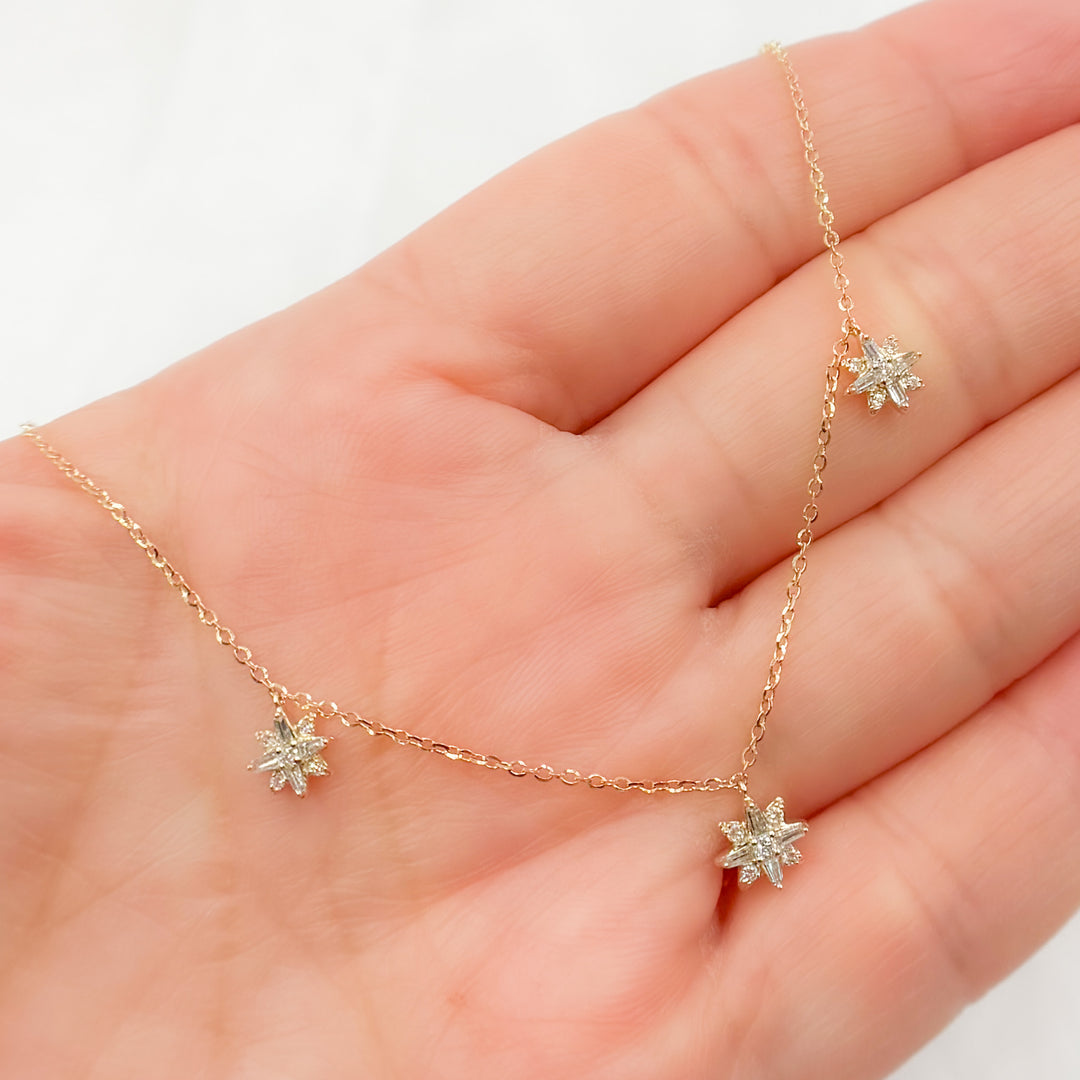
Introduction: Gold vs Diamond Jewelry
Gold or diamond-which one actually holds your money better?
Buying jewelry is not just about style. For many people, it is also about putting money into something that holds or grows in value over time. Two of the most popular choices are gold jewelry and diamond jewelry. Both carry a sense of prestige, both have been worn for centuries, and both come with serious price tags. But when it comes to actual financial return, which one makes more sense?
The right choice depends on your goals, your budget, and how long you plan to hold the piece. This guide breaks down everything you need to know - from liquidity and resale to price trends and practical value - so you can make a clear, informed decision.
What Is Gold Jewelry?
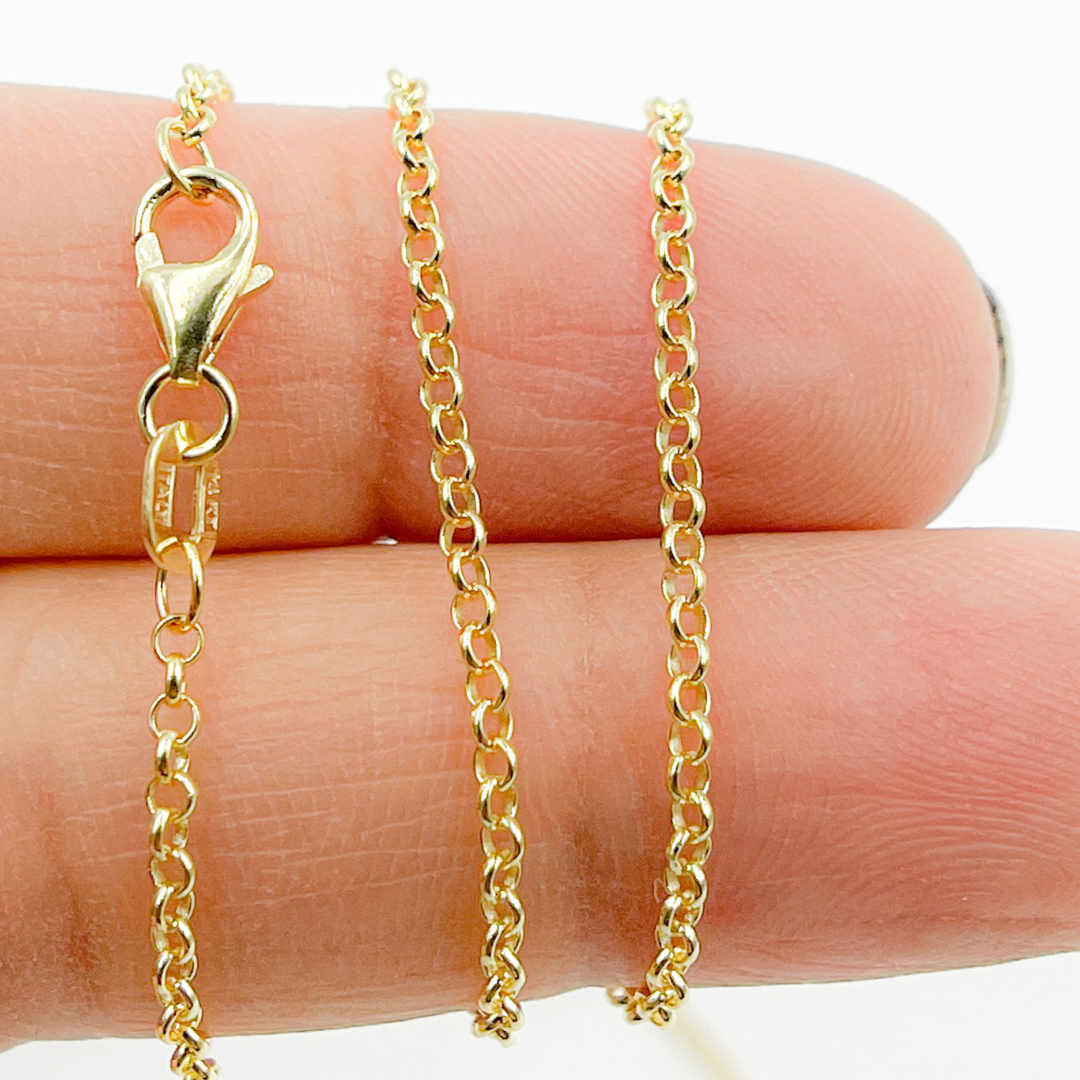
Gold jewelry is made from gold, a naturally occurring metal that has been used as currency and adornment for thousands of years. The gold used in jewelry is almost never 100% pure because pure gold (24 karat) is too soft to hold its shape. Instead, it is alloyed with other metals like copper, silver, or zinc to increase durability.
Common Gold Purity Levels:
- 24K – 99.9% pure gold.
- 22K – 91.6% pure gold.
- 18K – 75% pure gold.
- 14K – 58.3% pure gold.
- 10K – 41.7% pure gold.
The value of gold jewelry ties directly to two things: the current spot price of gold on global markets, and the craftsmanship behind the piece. Because gold trades as a commodity, its price is publicly available and updated every day. This makes gold one of the more transparent investments in the jewelry category.
What Is Diamond Jewelry?
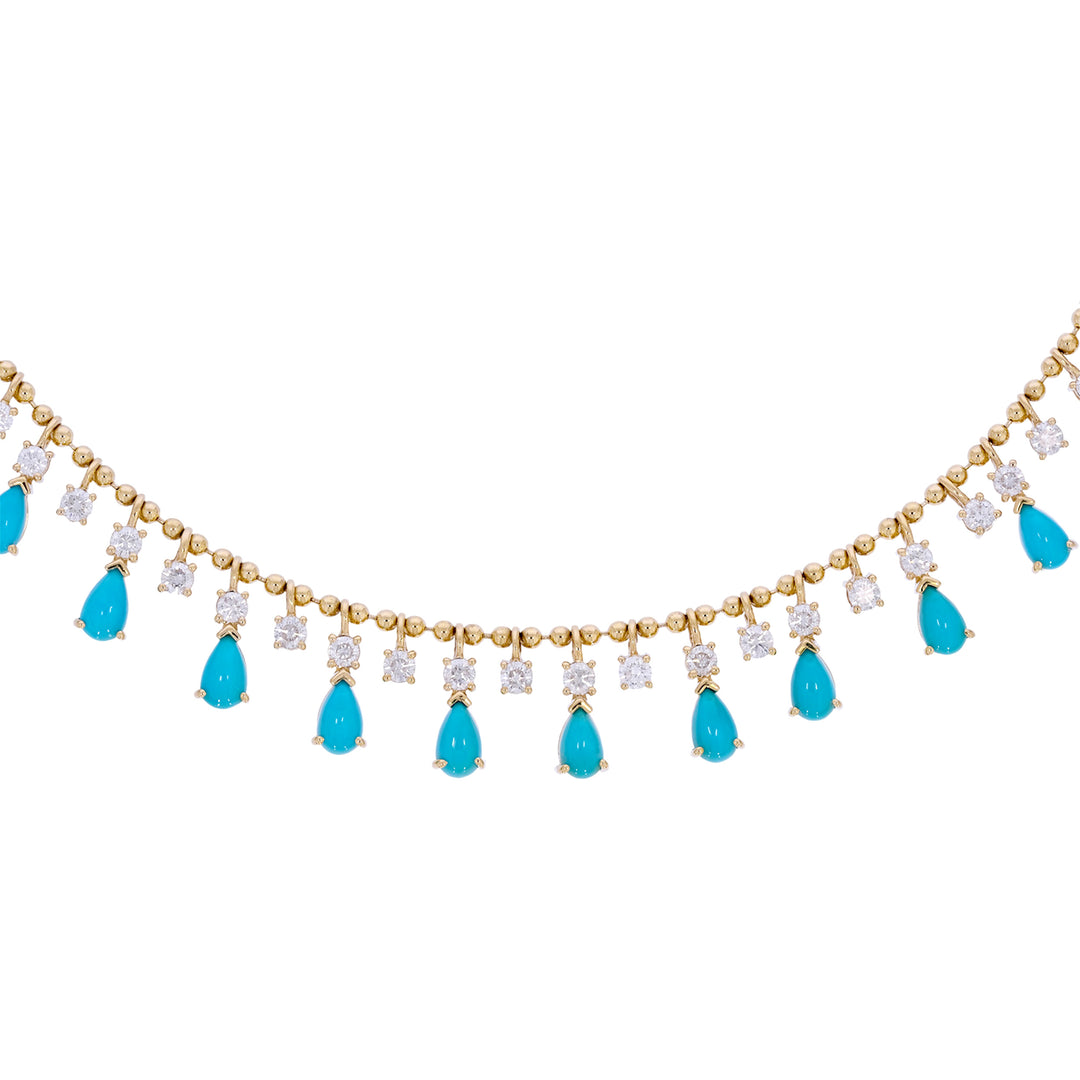
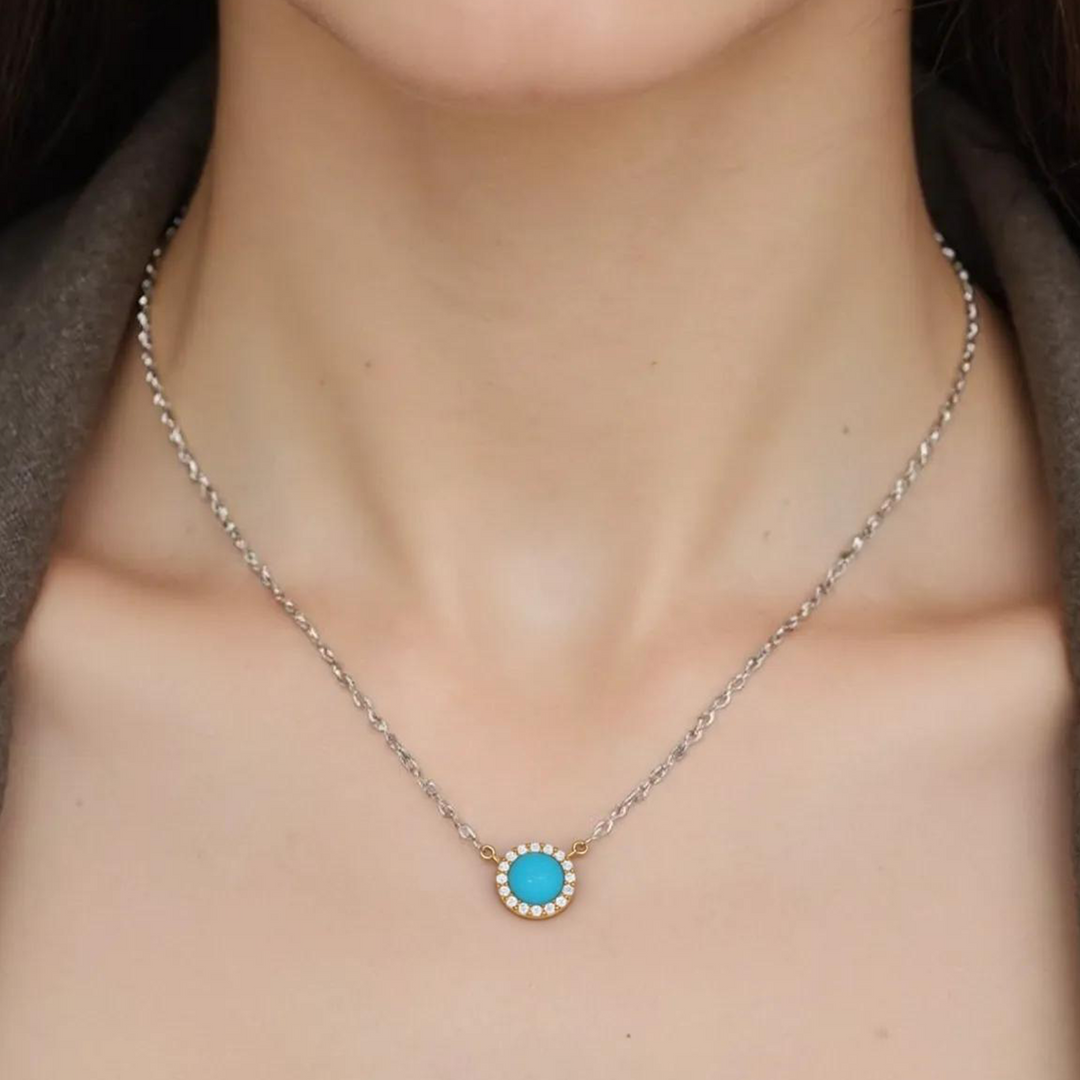
Diamond jewelry refers to pieces - rings, necklaces, earrings, bangles, bracelets - that feature diamonds as the central or accent stones. Diamonds are the hardest natural substance on earth, rated 10 on the Mohs scale, and they are prized for their optical properties: brilliance, fire, and scintillation.
The Four Cs of Diamond Value:
- Cut – How well the diamond is shaped and faceted. A poor cut reduces brilliance regardless of other factors.
- Color – Diamonds range from colorless (D) to light yellow (Z). Colorless stones are rarer and more valuable.
- Clarity – How many inclusions (internal flaws) or surface blemishes the stone has.
- Carat – The weight of the diamond. One carat equals 0.2 grams.
Beyond the Four Cs, the origin of the stone, whether it is certified (by GIA, AGS, or IGI), and whether it is natural versus lab-grown all affect value significantly.
What Makes Jewelry a Good Investment?
Before comparing gold vs diamond investment, it helps to define what makes any asset a good investment. In the context of physical jewelry, a few key criteria matter:
- Liquidity – Can you sell it quickly when you need cash?
- Price Transparency – Can you verify what your asset is worth at any given time?
- Resale Value – What percentage of the purchase price can you recover when you sell?
- Demand – Is there consistent, global demand for what you own?
- Portability and Storage – Can you store your investment safely and move it when needed?
- Durability – Does your investment deteriorate over time?
Both gold and diamonds perform differently on each of these criteria. Understanding how they compare is the key to making a smarter financial decision.

Gold Jewelry as an Investment
Gold has a long history as a store of value. Central banks hold gold reserves. Investors buy gold ETFs and gold bars during economic uncertainty. Gold jewelry falls within this broader ecosystem, though it comes with some unique considerations compared to buying gold bars or coins.
Benefits of Investing in Gold Jewelry
Globally Recognized Value
Gold is accepted as a store of value in virtually every country on earth. Whether you are in New York, Mumbai, Dubai, or Tokyo, gold has a buyer. This global demand makes it one of the most universally liquid physical assets you can own.
Tied to Commodity Markets
The price of gold is set by global markets and updated in real time. This transparency means you always know roughly what your gold is worth. When gold prices rise - as they often do during inflation or geopolitical uncertainty - the intrinsic value of your gold jewelry goes up with it.
Inflation Hedge
Historically, gold prices tend to rise when inflation is high. This means gold jewelry can protect purchasing power over time. When paper currency loses value, gold typically holds or increases its worth.
Consistent Long-Term Appreciation
In 2000, gold traded around $280 per ounce. By 2024, it exceeded $2,000 per ounce. That is a significant increase, even accounting for inflation.
High Resale Demand
Gold jewelry can be sold to jewelers, gold buyers, pawn shops, and even online platforms relatively easily. The buyer pays based on gold weight and current spot price. This makes diamond vs gold resale value a clear win for gold in most situations.
Cultural and Ceremonial Demand
In many cultures, gold jewelry is a traditional gift at weddings, births, and major life events. This cultural demand creates consistent consumption that supports price stability.
Is 14K Gold Jewelry a Good Investment?
14K gold jewelry contains 58.3% pure gold, making it durable enough for everyday wear while still holding meaningful intrinsic value. It is more affordable than 18K or 22K pieces, which means a lower entry price. For most buyers, is 14K gold jewelry a good investment? Yes - it strikes a reasonable balance between wearability and investment value.
Limitations of Gold Jewelry
When you buy a finished piece, you pay for the gold content plus making charges, the retailer's markup, and sometimes a brand premium. When you sell, buyers typically pay only for the gold's melt value - not craftsmanship. You generally recover 70% to 90% of a piece's intrinsic gold value, but rarely the full retail price.

Diamond Jewelry as an Investment
Diamonds are beautiful, rare in high-quality grades, and carry strong cultural significance. But their performance as a financial investment is more complicated.
No Commodity Market
Unlike gold, diamonds do not trade on a commodity exchange. There is no single, publicly available diamond price index. The Rapaport Price List is a widely used industry reference, but it is wholesale pricing and not publicly accessible in the same way gold prices are.
The Retail Markup Problem
Diamond jewelry carries one of the highest markups in retail. A diamond ring that retails for $5,000 may have a wholesale diamond value of $1,500 to $2,000. This means that even if the diamond holds its value perfectly, you would still lose money selling it back at anything close to the retail price.
Does Diamond Hold Value Like Gold?
Does diamond hold value like gold? Generally, no. Most diamonds - especially those in common quality ranges - do not hold value the way gold does. Once you buy a diamond ring at retail, its resale value typically drops to 20% to 50% of what you paid. This is a significant loss and makes diamonds a poor choice if your primary goal is financial return.
The Lab-Grown Diamond Factor
The rise of lab-grown diamonds has significantly changed the market. Lab-grown diamonds are chemically identical to natural diamonds but cost 70% to 80% less. This price difference has put downward pressure on the resale value of natural diamonds, particularly in the lower quality ranges.
When Diamonds Can Appreciate
Certain diamonds do appreciate. Extremely rare stones - large colorless diamonds above 3 carats, natural fancy colored diamonds in blue, pink, or red - have sold at auction for prices far above their original purchase value. But these represent a very small fraction of the market. For the average buyer, the answer to is diamond a good investment is: not reliably.
Gold vs Diamond: Detailed Comparison
|
Factor |
Gold Jewelry |
Diamond Jewelry |
|
Price Transparency |
High – real-time commodity pricing |
Low – no universal price index |
|
Liquidity |
High – easy to sell globally |
Low – limited buyers, time-consuming |
|
Resale Value |
70–90% of intrinsic value |
20–50% of retail price |
|
Market Demand |
Global and consistent |
Selective, depends on grade |
|
Long-Term Returns |
Strong, documented appreciation |
Inconsistent and grade-dependent |
|
Inflation Protection |
Yes |
Minimal |
|
Retail Markup |
Moderate (making charges) |
Very high (50–200% over cost) |
|
Wearability |
High |
High |
Gold vs Diamond Price Comparison
When you compare gold vs diamond price comparison on a per-gram basis, gold wins on transparency. You can look up today's gold spot price in seconds and calculate exactly what your piece contains. Diamond pricing requires a certified appraisal, knowledge of the Four Cs, and access to industry databases. For resale purposes, gold is far simpler and more predictable.
Investing in Diamonds vs Gold – Which Has Better Returns?
Over the past 20 years, gold has delivered consistent, documented returns. Studies tracking diamond price indices show that average diamond prices have been relatively flat over the same period, especially when adjusted for inflation. When it comes to investing in diamonds vs gold, the data consistently favors gold for buyers who want reliable financial performance.
Pros and Cons Summary
Gold Jewelry
Pros
- Transparent, globally recognized pricing
- Strong long-term appreciation
- High resale liquidity – easy to sell anywhere
- Effective hedge against inflation
- Consistent global demand
- Wearable and culturally significant
Cons
- Retail price includes craftsmanship markup
- Melt value recovered on resale, not artistic value
- Physical storage and insurance costs apply
- Susceptible to theft
Diamond Jewelry
Pros
- Extremely durable – hardest natural material
- High aesthetic value and status symbol
- Rare high-grade stones can appreciate significantly
- Strong cultural demand, especially for engagement rings
- Portable and compact store of value
Cons
- No transparent commodity price
- Very high retail markup (50–200% over cost)
- Low resale value – 20% to 50% of retail price
- Lab-grown competition reducing natural diamond prices
- Requires certification and expert appraisal to sell
- Not a reliable inflation hedge
Which Is Better Investment: Gold or Diamond Jewelry?
If your primary goal is financial return, the answer to which is better investment gold or diamond jewelry is clear: gold. The reasons are straightforward.
- Gold has a transparent, real-time market price
- Gold has a proven track record of long-term appreciation
- Gold is easy to sell - almost any jeweler or gold buyer will make an offer within minutes
- Gold protects against inflation, which diamonds largely do not
Diamonds carry too many disadvantages as investment vehicles for the average buyer. The retail markup is extreme, resale value is low, and the market lacks the price transparency needed to make confident financial decisions.
The Answer Shifts Depending on Your Intent
- Buying for love, sentiment, and aesthetics – Both gold and diamond jewelry serve this purpose well.
- Buying for cultural or ceremonial reasons – Gold remains dominant in most traditions globally.
- Buying purely as a financial investment – Gold, particularly 18K or 22K, provides a more reliable return.
- Have serious capital and rare-stone access – Natural fancy colored diamonds can work, but require expert guidance.
Is Gold a Good Investment Right Now?
Is gold a good investment right now? Gold prices are near all-time highs in 2024, driven by inflation, central bank demand, and global uncertainty. While the entry price is higher than a decade ago, the long-term fundamentals remain solid. For buyers with a multi-year horizon, gold jewelry continues to be a reasonable and wearable store of value.
Is Diamond a Good Investment or Gold?
When comparing both directly, the answer to is diamond a good investment or gold consistently favors gold. Gold is more reliable, more liquid, and more transparent for the vast majority of buyers.
Tresor Jewelry Inc.: Gold and Diamond Jewelry That Lasts a Lifetime
For buyers who want quality, variety, and craftsmanship in both gold and diamond jewelry, Tresor Jewelry Inc. offers an extensive selection. Located in New York City's jewelry district, they carry a wide range of 14K solid gold pieces - earrings, bangles, rings, necklaces, and pendants - as well as fine diamond jewelry in sterling silver settings. Their wholesale and retail collections are built for buyers who value both design quality and material integrity, making them a strong starting point whether you are shopping for personal wear or long-term investment value.
Conclusion
Both gold and diamond jewelry have their place. Diamonds are beautiful, durable, and carry deep emotional meaning. Gold is a proven store of value with transparent pricing and global demand.
For pure investment purposes, gold or diamond which is better investment comes down to gold - it outperforms diamonds in nearly every measurable category: liquidity, resale value, price transparency, and long-term appreciation. Diamond jewelry is best understood as a luxury purchase rather than a financial asset, unless you are operating at the level of rare, collector-grade stones.
If you want jewelry that looks great and holds its financial value over time, gold is the smarter choice. If you want jewelry primarily for its beauty and sentimental significance, both are excellent options - just go in with realistic expectations about resale.
FAQs
Q1. Is gold a better investment than diamonds?
Yes, in most cases. Gold has transparent market pricing, higher resale liquidity, and a proven track record of long-term appreciation. Diamonds typically lose 50% to 80% of retail value on resale, making gold the more reliable financial investment for the average buyer looking for consistent returns.
Q2. Does diamond hold value like gold?
No. Resale prices for average diamonds typically range from 20% to 50% of the original retail price. Gold recovers 70% to 90% of its intrinsic melt value on resale. Only extremely rare diamonds - large, colorless, or naturally fancy colored stones - tend to appreciate meaningfully over time.
Q3. Is gold a good investment right now?
Yes. Gold prices are near historic highs in 2024, driven by inflation, central bank demand, and global uncertainty. While entry prices are higher than before, the long-term fundamentals remain strong. For buyers with a multi-year investment horizon, gold jewelry remains a solid and wearable store of value.
Q4. Which is better for resale: gold or diamond jewelry?
Gold is significantly better for resale. You can sell it quickly at almost any jeweler or gold buyer and recover a substantial portion of the metal's value. Diamond resale requires proper certification, the right buyer, and often returns far less than what was paid at retail - sometimes 30 to 50 cents on the dollar.
Q5. Is 14K gold jewelry a good investment?
14K gold jewelry is a practical and widely accepted option. It contains 58.3% pure gold, making it durable for daily wear while still holding real intrinsic value. It is not as valuable per gram as 18K or 22K, but its lower price point makes it accessible to a wider range of buyers who want wearability with financial value.
Q6. Can diamonds ever be a good investment?
Yes, under very specific conditions. Large natural diamonds above 3 carats and natural fancy colored diamonds in blue, pink, or red have sold at auction for multiples of their original purchase price. However, these stones represent a tiny fraction of the market and are not practical for the average buyer seeking investment returns.
Q7. What affects gold jewelry resale value?
The main factors are karat purity, the current gold spot price, and the weight of the piece. Higher karat equals more gold, which equals higher melt value. Craftsmanship and brand typically do not add to resale value unless the piece is from a major luxury house with documented collectible provenance and strong secondary market demand.
Q8. Why is diamond jewelry hard to resell?
Diamond resale is difficult because there is no universal pricing standard, the retail markup is very high, and the pool of buyers willing to pay close to retail price is small. Selling diamonds usually means accepting 20% to 50% of what you originally paid, unless you have a certified, high-quality stone and access to the right auction house or wholesale buyer.
