

Introduction
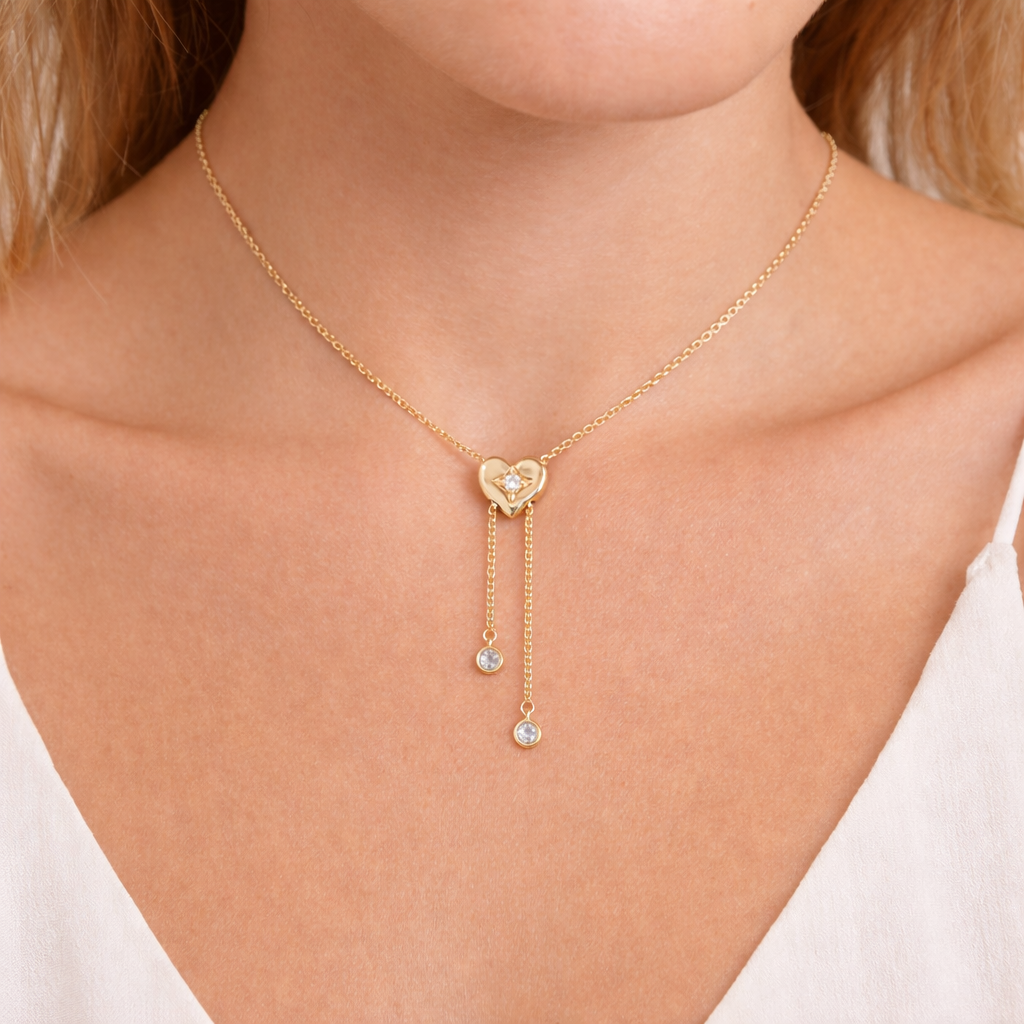
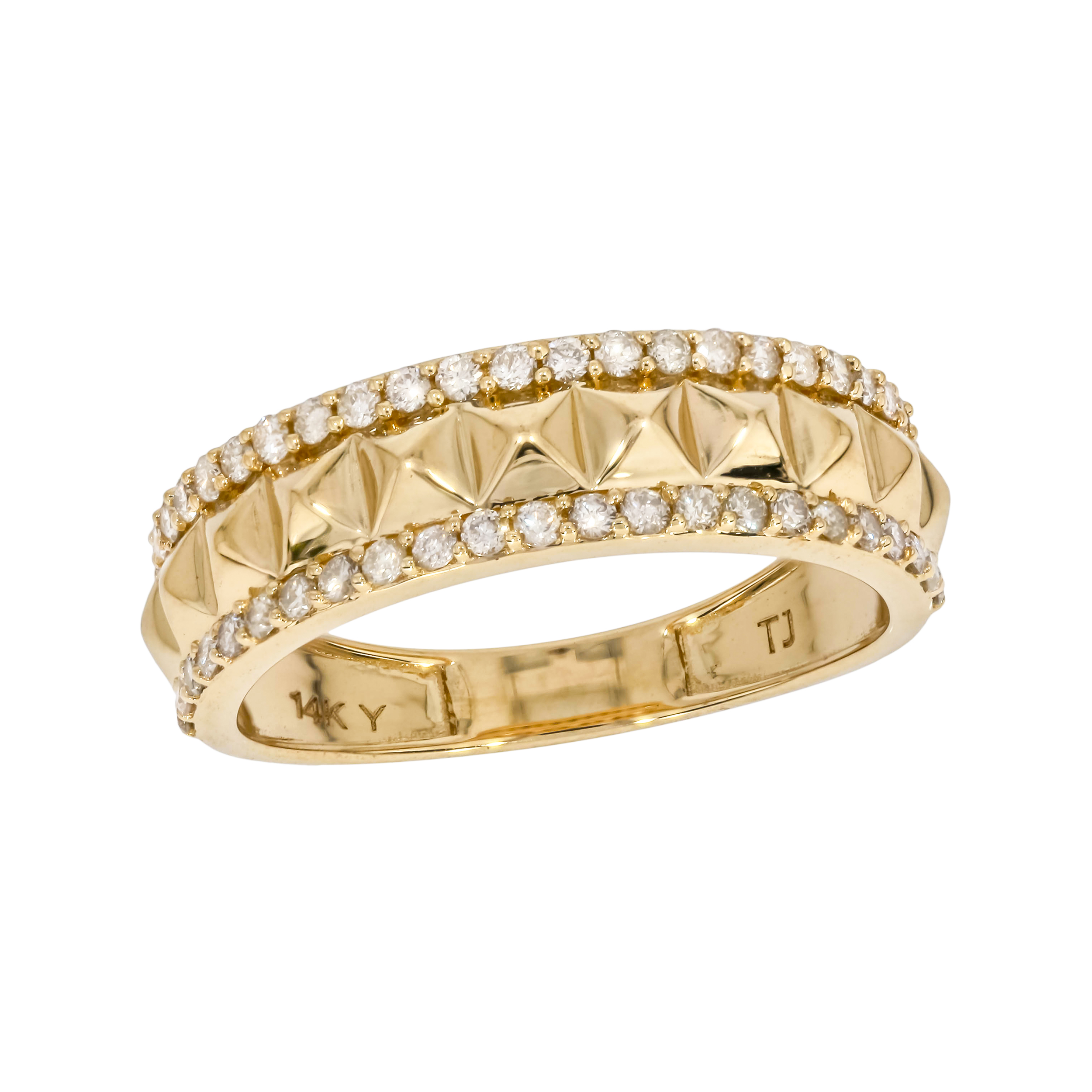
Gold jewelry is one of those things you never really think about maintaining - until the day you pick up your favorite necklace and notice it looks dull, slightly grimy, or nowhere near as brilliant as it once did. It happens to everyone and it is completely normal.
The good news is that knowing how to clean gold jewelry at home is genuinely simple. You do not need expensive equipment or a trip to the jeweler for routine cleaning. Most of the solutions that work best are already sitting in your kitchen or bathroom cabinet. What you do need is the right technique, a little patience and an understanding of what your specific piece actually needs.
This guide covers everything - from basic soap and water methods to home remedies like baking soda and vinegar, from caring for delicate gold plated pieces to restoring the brilliance of white and rose gold. By the end, you will know exactly how to clean gold jewelry at home without causing damage and how to keep it looking its best long after the cleaning is done.
Understanding: Why Does Gold Jewelry Lose Its Shine?
Before cleaning anything, it helps to know what you're actually removing.
Skin oils and sweat are the biggest culprits. Every time you wear a ring or necklace, your skin transfers natural oils onto the metal surface. These oils trap other particles - dust, dead skin, product residue - and the layer builds up over time.
Lotions, perfumes and hairsprays leave a film on gold. Most people apply these products and then put on jewelry immediately, which means the product sits directly on the metal.
Chlorine and chemicals in swimming pools and cleaning products can chemically affect gold alloys. Pure 24K gold doesn't react, but most jewelry is 14K or 18K - which means it contains other metals like copper, silver or nickel that can tarnish or discolor when exposed to chlorine.
Humidity and storage conditions matter more than people realize. Storing jewelry in a bathroom drawer, for example, exposes it to daily moisture from showers. That moisture accelerates surface oxidation on gold alloys.
None of this means your jewelry is damaged. It just means it needs cleaning. How to clean dirty gold jewelry is mostly about removing that accumulated layer - and doing it without scratching or stripping the surface in the process.

Safest Way to Clean Gold Jewelry at Home
If you only remember one thing from this guide, let it be this: the safest way to clean gold jewelry at home is always the gentlest method first. Aggressive cleaning rarely gives better results - it usually just introduces new problems like scratches, stripped plating, or loosened settings.
Here is what safe home cleaning looks like in practice:
Use lukewarm water, never hot. Hot water can loosen gemstone settings and cause certain stones to crack due to thermal shock.
Choose mild soap only. A small drop of gentle dish soap or baby shampoo is all you need. Avoid antibacterial soaps, which often contain harsh additives.
Use a soft-bristled brush. An old soft toothbrush works perfectly. Never use stiff bristles, metal brushes, or abrasive pads on gold.
Dry thoroughly before storing. Moisture trapped in links or settings encourages oxidation. Always air dry fully or pat dry with a soft lint-free cloth.
Work over a bowl, not a sink. Small pieces can disappear down drains easily. Always clean jewelry over a bowl or a plugged sink.
These basics apply to nearly every type of gold jewelry. Specific pieces and specific problems may require slightly different approaches, which the following sections cover in detail.
Step-by-Step Guide to Clean Gold Jewelry at Home
This method works well for solid gold jewelry - 10K, 14K and 18K pieces without delicate gemstone settings. It is straightforward, effective and uses nothing more than items you already have.
Step 1 - Prepare Cleaning Solution
Fill a small bowl with lukewarm water. Add two to three drops of mild dish soap and stir gently until it creates a light, soapy solution. The water should feel comfortably warm to the touch - not hot, not cold. This temperature helps loosen oil and product buildup without stressing the metal or any stone settings.
If your piece has gemstones, check first whether those stones are safe to soak. Porous stones like pearls, opals, turquoise and coral should never be soaked in water. For jewelry with those stones, use a barely damp cloth instead.
Step 2 - Soak the Jewelry
Place your gold jewelry in the soapy solution and let it sit for 15 to 20 minutes. This soaking period does most of the actual work - it softens dried-on residue, loosens body oil buildup and begins breaking down the dull film that has accumulated on the surface. For pieces that have not been cleaned in a long time, a slightly longer soak of up to 30 minutes is fine for solid gold.
Resist the urge to scrub immediately. Letting the solution work first makes the cleaning far more effective and reduces the physical effort required.
Step 3 - Gently Scrub
After soaking, use a soft-bristled toothbrush to gently scrub the jewelry. Pay particular attention to the back of any pendants, the undersides of rings, areas around stone settings and the inner sides of chain links - these spots collect the most buildup and are often missed.
Use light, circular motions rather than aggressive back-and-forth strokes. The goal is to dislodge loosened residue, not to force it off with friction. For intricate designs or detailed engravings, a soft interdental brush can reach narrow spaces more effectively than a standard toothbrush.
Step 4 - Rinse and Dry
Rinse the jewelry thoroughly under lukewarm running water, making sure all soap residue is completely removed. Soap left on the surface can itself cause dullness once it dries. Hold the piece carefully and rinse from multiple angles to ensure nothing is left behind.
Pat dry gently with a clean, soft, lint-free cloth - microfiber works particularly well. Then set the piece on a dry cloth and allow it to air dry completely for at least 30 minutes before storing it. Even small amounts of trapped moisture in chain links can cause issues over time.
Best Home Remedies to Clean Gold Jewelry

How to Clean Gold Jewelry with Baking Soda
Clean gold jewelry with baking soda is one of the most searched methods - and it works, with one important condition: use it carefully and only on solid gold without stones.
Make a paste using 2 tablespoons of baking soda and 1 tablespoon of water. Apply the paste to the jewelry with a soft cloth or your fingers. Rub gently in circular motions for about 30 seconds to a minute. Rinse thoroughly with warm water and dry completely.
Baking soda is a mild abrasive. It removes tarnish and surface oxidation effectively, which is why it works well on how to clean tarnished gold jewelry. But because it is abrasive - even mildly - avoid using it on plated jewelry, pieces with soft stones or anything with a matte or brushed finish you want to preserve.
For Clean gold jewelry that turned black, baking soda paste is one of the better home options. The discoloration is usually surface oxidation from the alloy metals reacting to air or chemicals and the mild abrasive action of baking soda removes it without harsh chemicals.
How to Clean Gold Jewelry with Toothpaste
Clean gold jewelry with toothpaste is a common tip - but use it with caution. Standard white toothpaste contains mild abrasives (the same ones that polish tooth enamel), which can remove tarnish from solid gold. Use a small amount on a soft cloth, rub gently, then rinse thoroughly.
The problem is that many toothpastes contain ingredients that are too harsh for gold: silica particles, baking soda blends, whitening agents or gel formulas with chemicals. If you use this method, stick to plain, non-whitening, non-gel toothpaste - and avoid it entirely on plated pieces, soft stones or any piece with a delicate finish.
Toothpaste is a last-resort method, not a regular cleaning routine. The soap-and-water method in this guide is safer for consistent use.
How to Clean Gold Jewelry with Vinegar
Clean gold jewelry with vinegar works because white vinegar is mildly acidic, which helps break down tarnish and surface deposits on solid gold.
Soak the piece in white vinegar for 10 to 15 minutes. Remove, scrub lightly with a soft toothbrush, then rinse thoroughly with water and dry completely.
Two things to know before using vinegar:
- Do not use it on gold-plated jewelry. The acid can break down the plating layer over time.
- Do not use it on pearls, opals, turquoise or other porous stones. Vinegar will damage them.
For solid gold rings, chains or bangles with no stones, a short vinegar soak followed by a gentle scrub is an effective way to remove dullness and mild tarnish.
How to Clean Gold Jewelry with Soap
Clean gold jewelry with soap is the method most jewelers actually recommend for regular maintenance - and it's the simplest one on this list.
The full soap-and-water process is described in the step-by-step section above. For a quick refresh between deep cleans, mix a drop of dish soap in warm water, dip a soft cloth into the solution and gently wipe the surface of the piece. Rinse with clean water and dry.
This takes less than five minutes and, done once every two to three weeks, prevents the kind of buildup that makes deep cleaning necessary in the first place.

How to Clean Different Types of Gold Jewelry
Different gold compositions respond differently to cleaning. What works perfectly on solid 18K yellow gold may cause real damage to a gold plated piece. Here is what each type specifically requires.
How to Clean Gold Plated Jewelry
How to clean gold plated jewelry requires the gentlest possible approach, without exception. Gold plated pieces have a very thin gold layer over a base metal - sometimes as thin as 0.5 microns. Any abrasion, harsh chemical, or extended soaking can strip that layer and expose the metal underneath.
Use lukewarm water with a single drop of mild soap. Dip a very soft cloth into the solution and wipe the piece gently - do not scrub with a brush, do not soak for extended periods and do not use baking soda, vinegar, or toothpaste. After cleaning, pat dry immediately with a soft cloth and allow it to air dry fully before storing. Handle gold plated jewelry with extra care during cleaning, as even gentle friction repeated too many times will eventually wear through the plating.
How to Clean White Gold Jewelry
How to clean white gold jewelry follows the same basic soap and water process, but with one additional consideration - the rhodium coating. White gold is naturally a slightly grey-yellow color. The bright, silvery-white appearance comes from a rhodium plating applied during manufacturing. This coating is more durable than gold plating but will eventually wear with regular use, revealing the slightly warmer tone beneath.
Mild soap and a soft brush work well for routine cleaning of white gold. Avoid chlorine, bleach and abrasive cleaners entirely - these accelerate rhodium wear faster than almost anything else. When your white gold jewelry starts looking less brilliantly white and more yellow-toned, that is a sign the rhodium coating needs professional re-application, not a cleaning problem you can solve at home.
How to Clean Rose Gold Jewelry
How to clean rose gold jewelry is straightforward because rose gold - which owes its color to a higher copper content in the alloy - cleans well with the standard mild soap method. However, copper oxidizes more readily than other metals, which means rose gold can develop a deeper, darker patina over time. Some wearers actually appreciate this warm aging. Others prefer the original bright blush tone.
For regular maintenance, mild soapy water and a soft brush keep rose gold looking fresh. For pieces that have developed noticeable tarnish, a brief soak followed by gentle scrubbing usually restores the color effectively. Avoid prolonged exposure to sweat, perfume and chlorine - copper is particularly reactive to these substances and they accelerate color changes in rose gold more than in other gold types.
How to Make Gold Jewelry Shiny Again
If your gold jewelry looks dull rather than dirty - no visible grime, just a loss of brilliance - the problem is usually a combination of micro-scratches and surface oxidation rather than buildup. Here is how to make gold jewelry shiny again with targeted approaches:
Deep soak and scrub: Start with a longer soak - 20 to 30 minutes in mild soapy water - followed by thorough brushing in all directions. Sometimes what looks like permanent dullness is actually just deeply settled residue that a regular quick clean has missed.
Baking soda polish: For solid gold pieces that have lost their shine despite cleaning, a very gentle baking soda paste treatment can help restore surface brilliance by addressing micro-oxidation. Follow the method described earlier and rinse extremely well afterward.
Microfiber polishing cloth: A clean, dry microfiber cloth used in gentle circular motions can restore significant shine to solid gold after cleaning by buffing away the finest surface residue without scratching.
Professional polishing: For how to clean dirty gold jewelry that has deep tarnish, significant scratching, or has turned noticeably black, professional polishing is the most effective solution. Jewelers use ultrasonic cleaners and professional-grade polishing compounds that restore surfaces to near-original condition. For pieces that have turned black - which usually indicates significant oxidation of the base metal alloys - professional intervention is often the only complete solution.
What Not to Use to Clean Gold Jewelry
Knowing what not to use to clean gold jewelry is just as important as knowing what works. Several common cleaning agents that seem harmless cause real and sometimes irreversible damage.
Bleach and chlorine: These are among the most damaging substances for gold alloys. Chlorine reacts chemically with the non-gold metals in the alloy, causing brittleness and breakage over time. Never clean gold jewelry with bleach and remove all gold jewelry before entering a chlorinated pool or hot tub.
Abrasive cleaners and scrubbing pads: Steel wool, rough cloths and kitchen scrubbing pads all scratch gold surfaces. Even scratches invisible to the naked eye accumulate and collectively dull the finish significantly.
Acetone and alcohol-based products: Nail polish remover, hand sanitizer and rubbing alcohol can strip coatings, damage certain gemstones and affect adhesives in jewelry construction. Keep these away from all jewelry.
Ultrasonic cleaners for delicate pieces: While professional ultrasonic cleaning works well for solid plain gold, home ultrasonic devices can loosen stone settings and damage pearls, opals, emeralds and other soft or porous stones.
Boiling water: Some guides suggest boiling gold to clean it. This can work for plain solid gold with no stones, but it is risky and unnecessary. Thermal shock can crack stones, loosen settings and warp softer pieces.
How Often Should You Clean Gold Jewelry
Frequency depends entirely on how often you wear a piece and what it is exposed to during wear.
Pieces worn daily - rings, everyday chains, stacking bracelets - benefit from a quick clean every two to three weeks using the mild soap method. This prevents buildup from becoming stubborn tarnish.
Jewelry worn occasionally for events or outings can be cleaned every two to three months, or whenever it starts to look less brilliant than usual.
A professional cleaning once a year is a good standard for any solid gold piece you value. Jewelers can address buildup in areas a toothbrush cannot reach, check settings for looseness and restore surfaces to a level home cleaning rarely achieves.
Gold plated jewelry requires more frequent gentle wiping - after each wear, ideally - but less frequent washing, as repeated water exposure accelerates plating wear.
Pro Tips to Keep Gold Jewelry Clean Longer
Cleaning less often is always the goal. These habits significantly extend the time between necessary cleanings:
Put jewelry on last. After perfume, lotion, hairspray and makeup are fully applied, then add your jewelry. This single habit dramatically reduces chemical buildup on metal surfaces.
Remove before physical activity. Sweat, impact and friction all affect gold. Removing your jewelry before exercise, gardening, cleaning, or cooking protects both the metal and any stone settings.
Wipe after each wear. A quick, gentle wipe with a soft dry cloth before storing removes the day's skin oil and surface residue before it has a chance to set.
Store pieces separately. Gold scratches against other metals and even against itself. Individual soft pouches or compartments prevent surface damage during storage.
Keep away from moisture. Store jewelry in a dry place away from bathrooms, where humidity fluctuates daily and accelerates tarnishing.
Avoid direct sunlight for storage. Some gemstones fade with prolonged light exposure. A cool, dry, dark storage space is ideal for all fine jewelry.
Conclusion
Cleaning gold jewelry at home is straightforward when you use the right method for the right type of piece. For most solid gold jewelry, warm water and mild soap - with a proper soak and a soft brush - handles everyday buildup completely. Home remedies like baking soda, vinegar and soap each have a place, but work best when you understand what type of gold and what type of buildup you're dealing with.
The single most important rule: be gentle. Gold is durable over years, but the surface - especially on plated pieces and alloy metals - responds to how you treat it. Soft tools, mild cleaners and regular light cleaning do more for your jewelry than occasional heavy-handed scrubbing.
At Tresor Jewelry Inc., every piece is crafted to last - and with the right care routine at home, it will.
FAQ
Q1. What is the simplest way to clean gold jewelry at home?
The easiest and safest method is lukewarm water with a few drops of mild dish soap. Soak briefly, scrub gently with a soft toothbrush, rinse thoroughly and dry completely. This handles most routine cleaning needs without any risk of damage.
Q2. Can baking soda damage gold jewelry?
Baking soda is safe for solid gold when used as a gentle paste with light pressure. However, never use it on gold plated jewelry - its mild abrasive quality can wear through thin plating and expose the base metal underneath.
Q3. Is it safe to clean gold jewelry with toothpaste?
Only plain, non-whitening, non-gel toothpaste used very sparingly poses minimal risk on solid gold. Most modern toothpastes are too abrasive for regular use on gold and can scratch polished surfaces, so the soap method is generally a better choice.
Q4. Why has my gold jewelry turned black?
Gold turning black usually means significant oxidation of the base metal alloys - often caused by prolonged contact with sweat, perfume, or chemicals. Tarnished gold jewelry that has turned black typically needs professional cleaning to fully restore its original appearance.
Q5. How do I clean white gold jewelry without damaging the rhodium coating?
Use only mild soapy water and a soft cloth or brush. Avoid bleach, chlorine and abrasive cleaners entirely, as these wear through rhodium plating fastest. When the white gold starts looking yellowish despite cleaning, professional re-plating is needed.
Q6. Can I use vinegar to clean all types of gold jewelry?
White vinegar works reasonably well on plain solid gold pieces. However, avoid using it on gold plated jewelry, pieces with porous gemstones like pearls or opals, or any jewelry with adhesive elements, as acidity can cause real damage to these materials.
Q7. How do I keep rose gold jewelry from tarnishing quickly?
Remove your rose gold jewelry before swimming, exercising and applying perfume or lotion. Wipe gently with a soft cloth after each wear. Rose gold contains copper, which reacts more readily to sweat and chemicals than other gold types, so consistent care makes a significant difference.
Q8. How often should gold jewelry be professionally cleaned?
Once a year is a good standard for solid gold pieces worn regularly. Professional cleaning reaches areas a toothbrush cannot, restores surface polish effectively and allows a jeweler to check that clasps and stone settings remain secure.