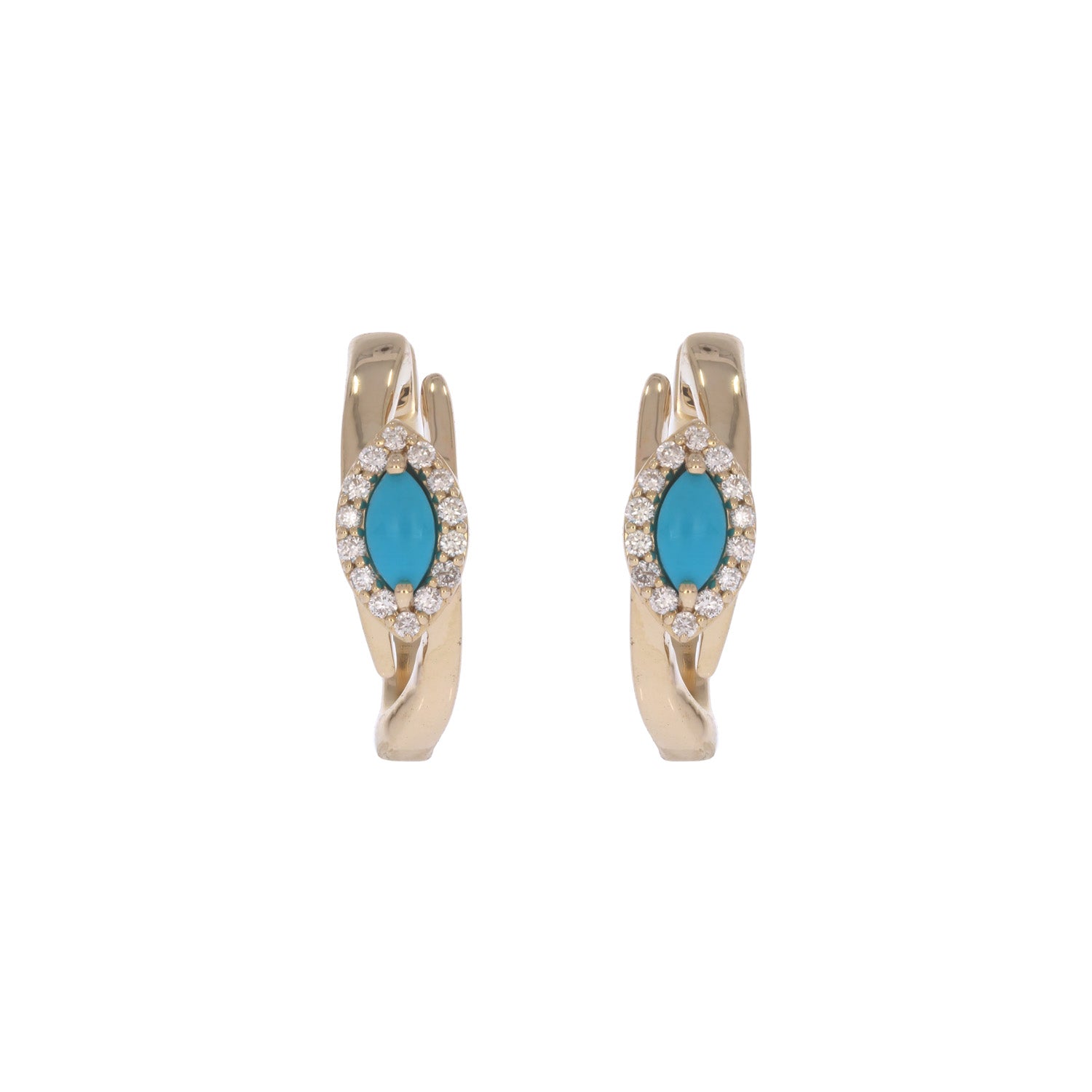

Introduction : Sterling Silver Hypoallergenic
If you have ever worn jewelry and noticed itching, redness or irritation, you are not alone. Many people with sensitive skin ask the same question: is sterling silver hypoallergenic? It is an important question because not all jewelry metals react the same way on the skin and understanding the difference can help you choose pieces you can wear comfortably every day.
The simple answer is that hypoallergenic jewelry is often a good option for many people, but the full answer depends on the metal mix, the quality of the jewelry and your personal skin sensitivity. Some sterling silver pieces are safe and comfortable for sensitive skin, while others may still cause irritation if they contain unwanted alloys like nickel.
In this guide, we will explain what is hypoallergenic, how sterling silver is made, whether 925 sterling silver hypoallergenic jewelry is suitable for daily wear and how to choose the right pieces if you have skin sensitivity. We will also cover sterling silver tarnish, important sterling silver facts and the main benefits of hypoallergenic sterling silver so you can make a smart and confident jewelry choice.
What Is Hypoallergenic?
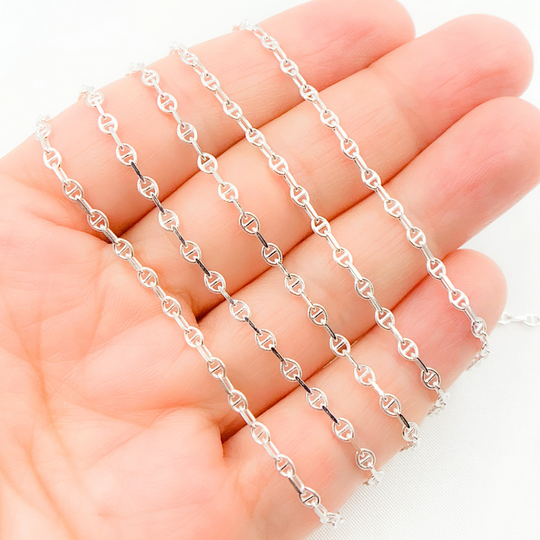
Sterling Silver Oval & Mariner Link Chain
View Product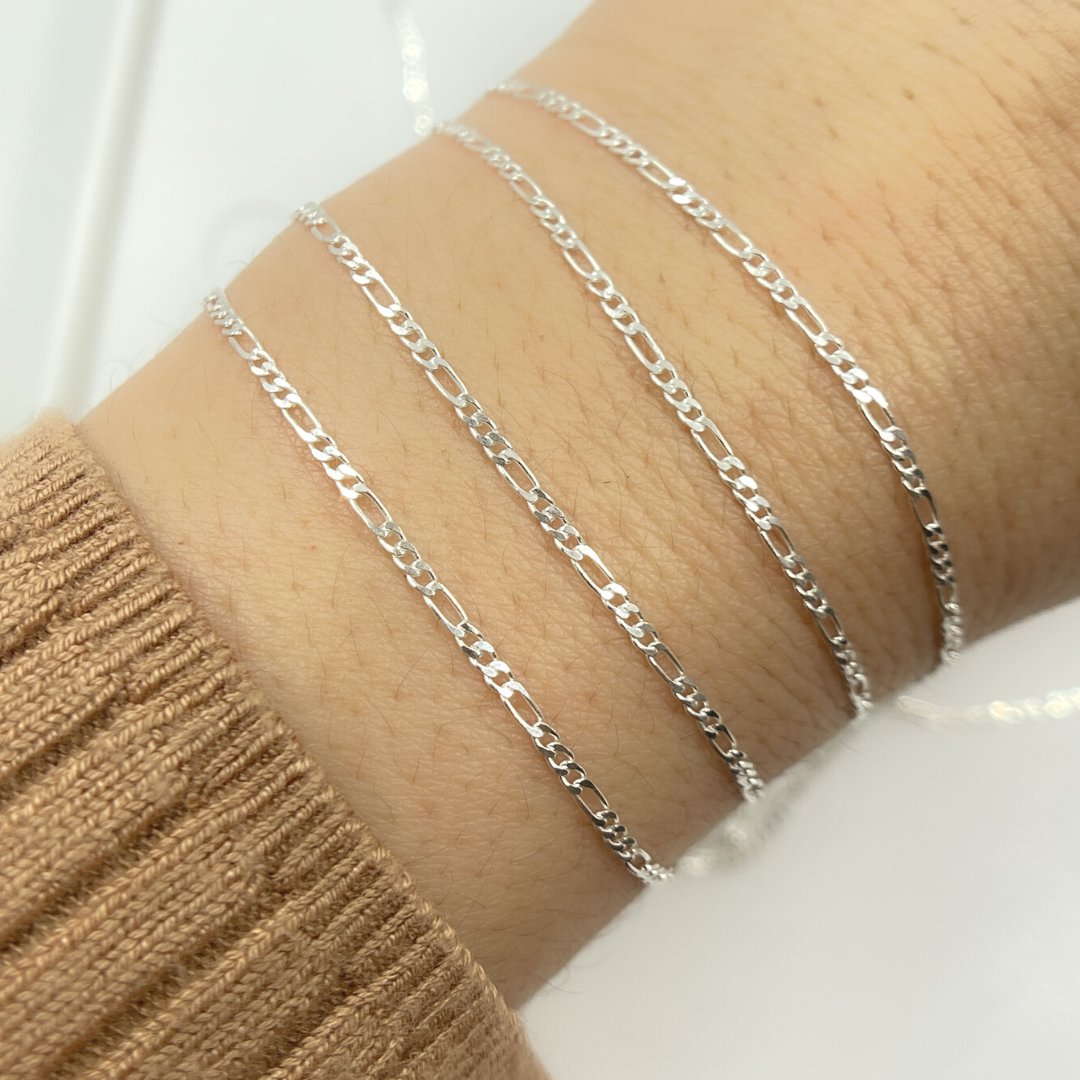
Sterling Silver Flat Figaro Link Chain
View Product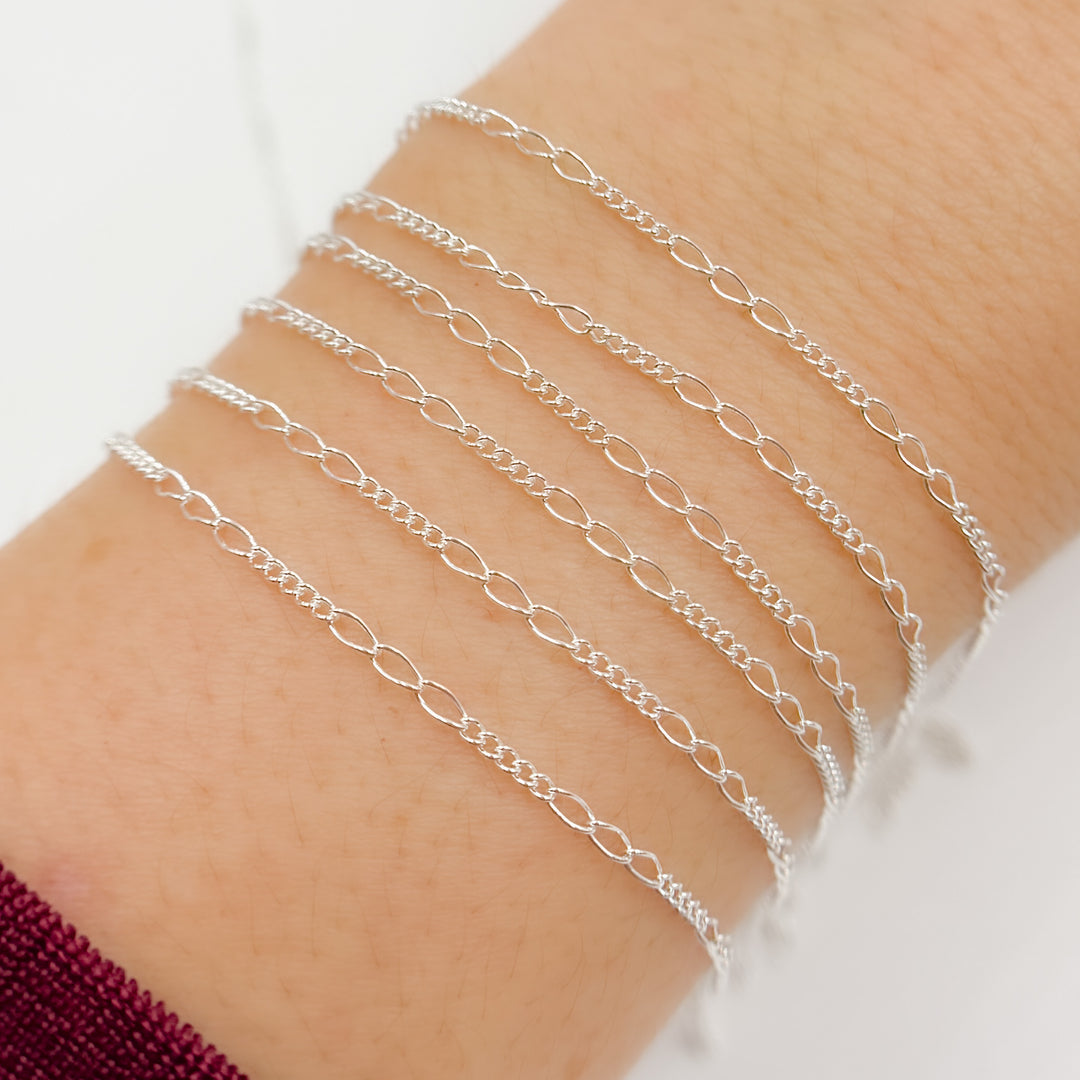
925 Sterling Silver 3 Long and 5 Short Link Chain
View Product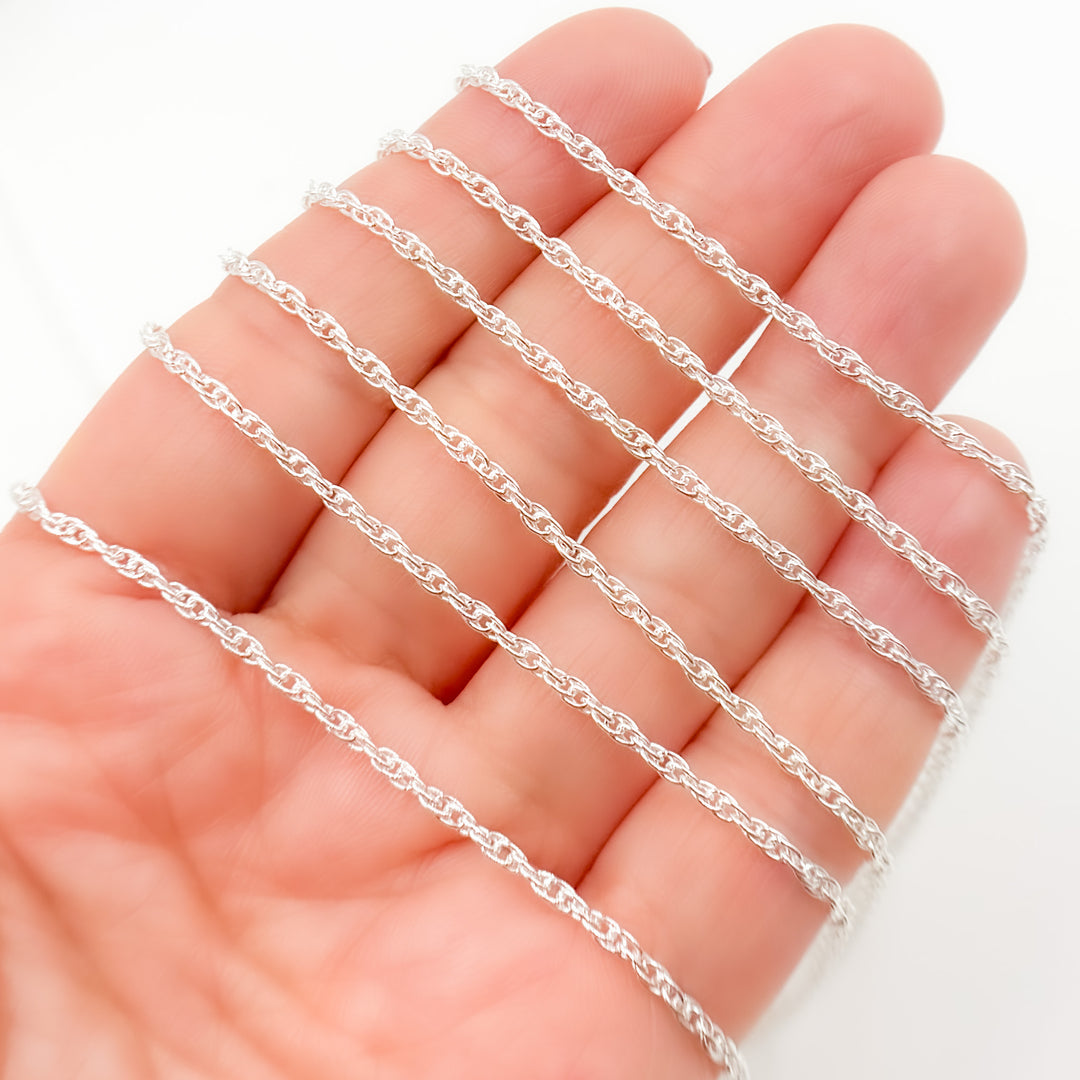
Sterling Silver Rope Chain
View Product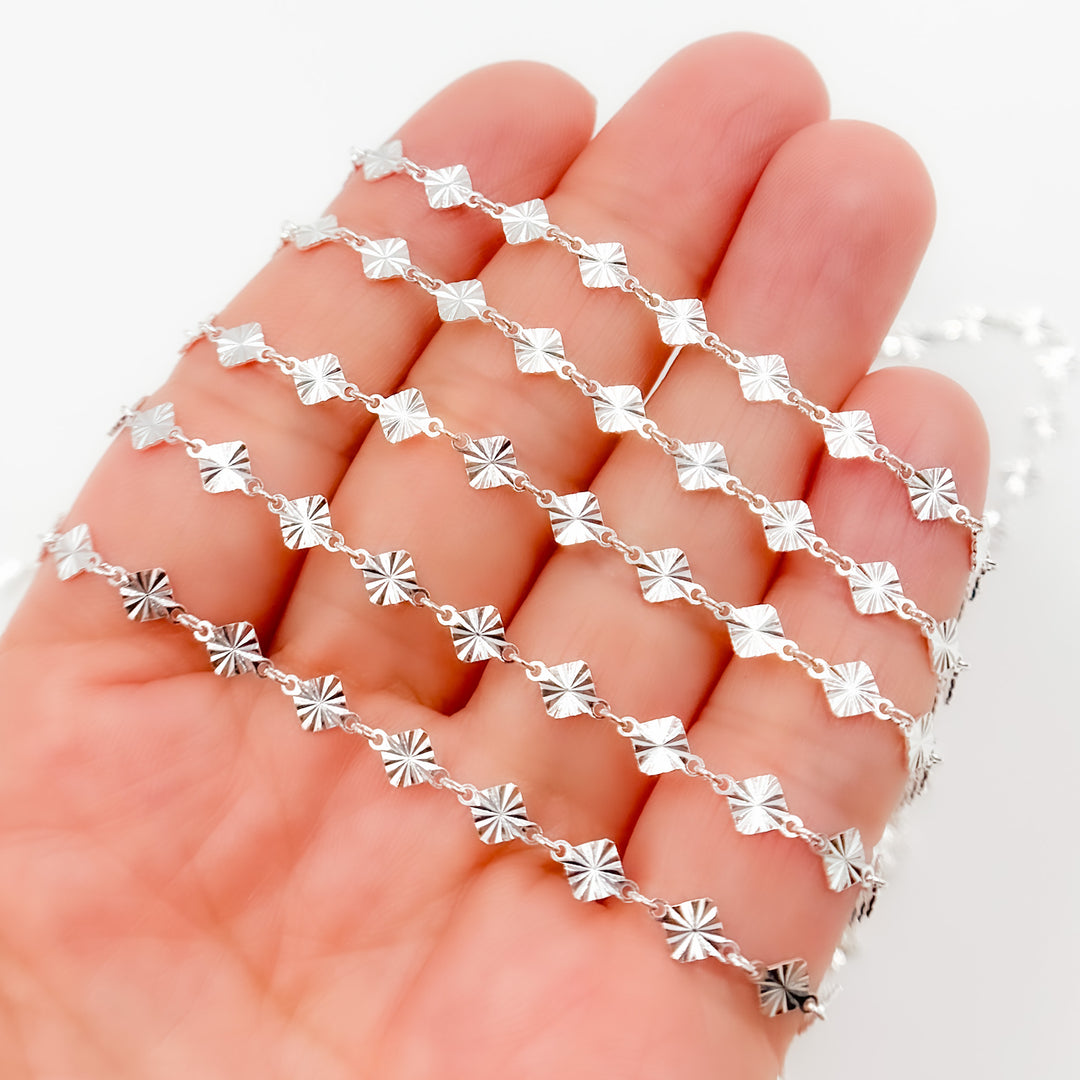
Sterling Silver Hammered Diamond Link Chain
View Product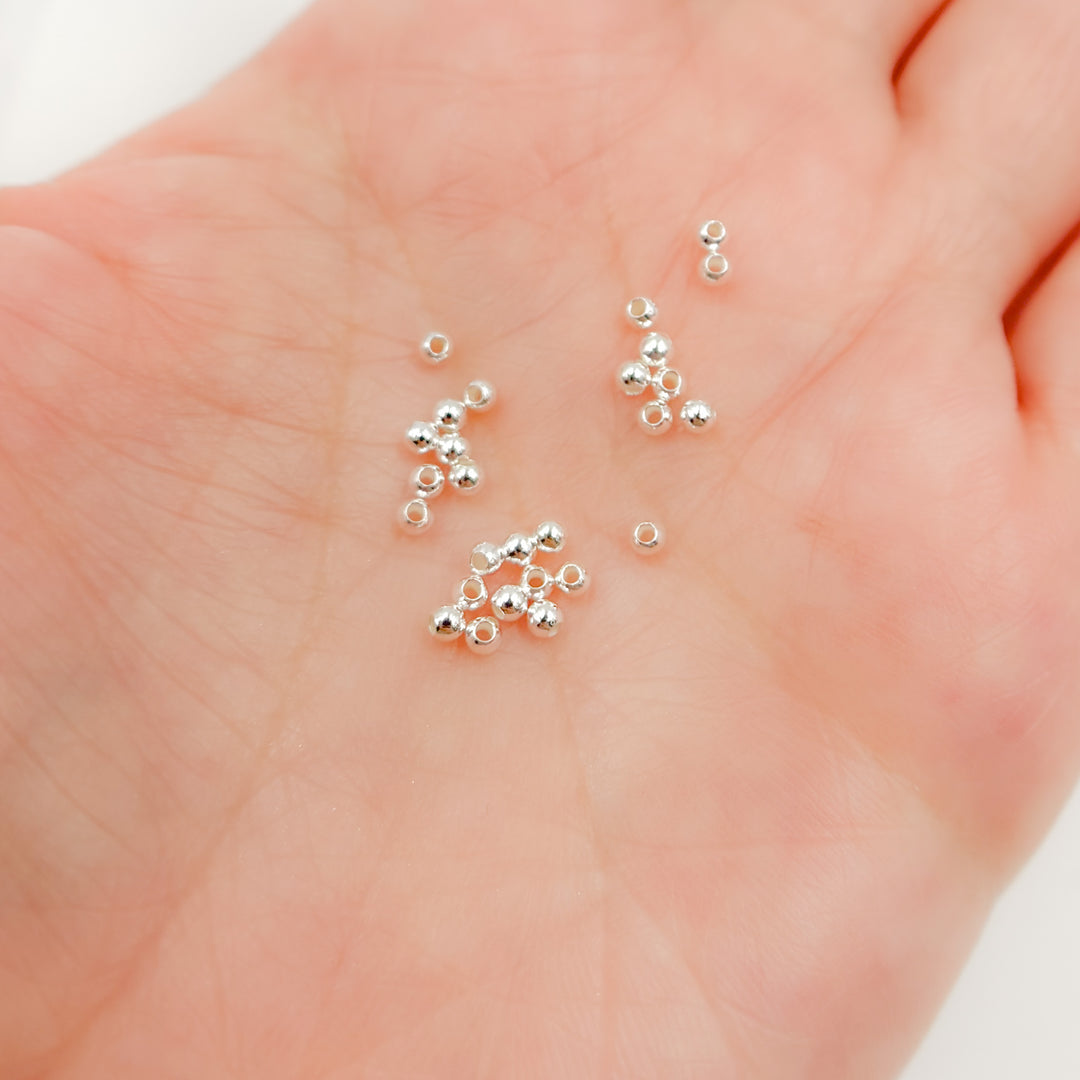
Sterling Silver Seamless Beads
View Product
925 Sterling Silver Ball Necklace
View Product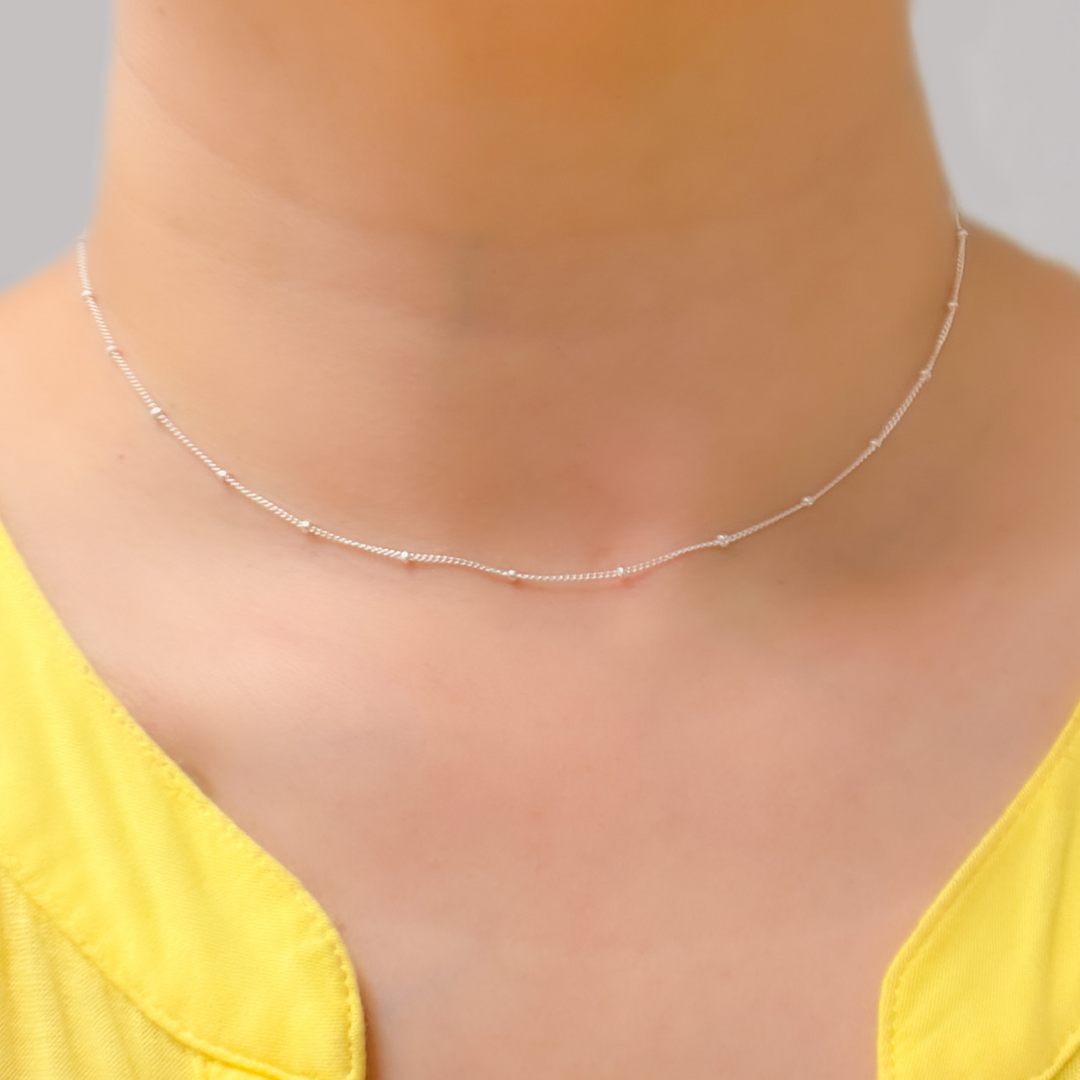
Sterling Silver Satellite Necklace
View Product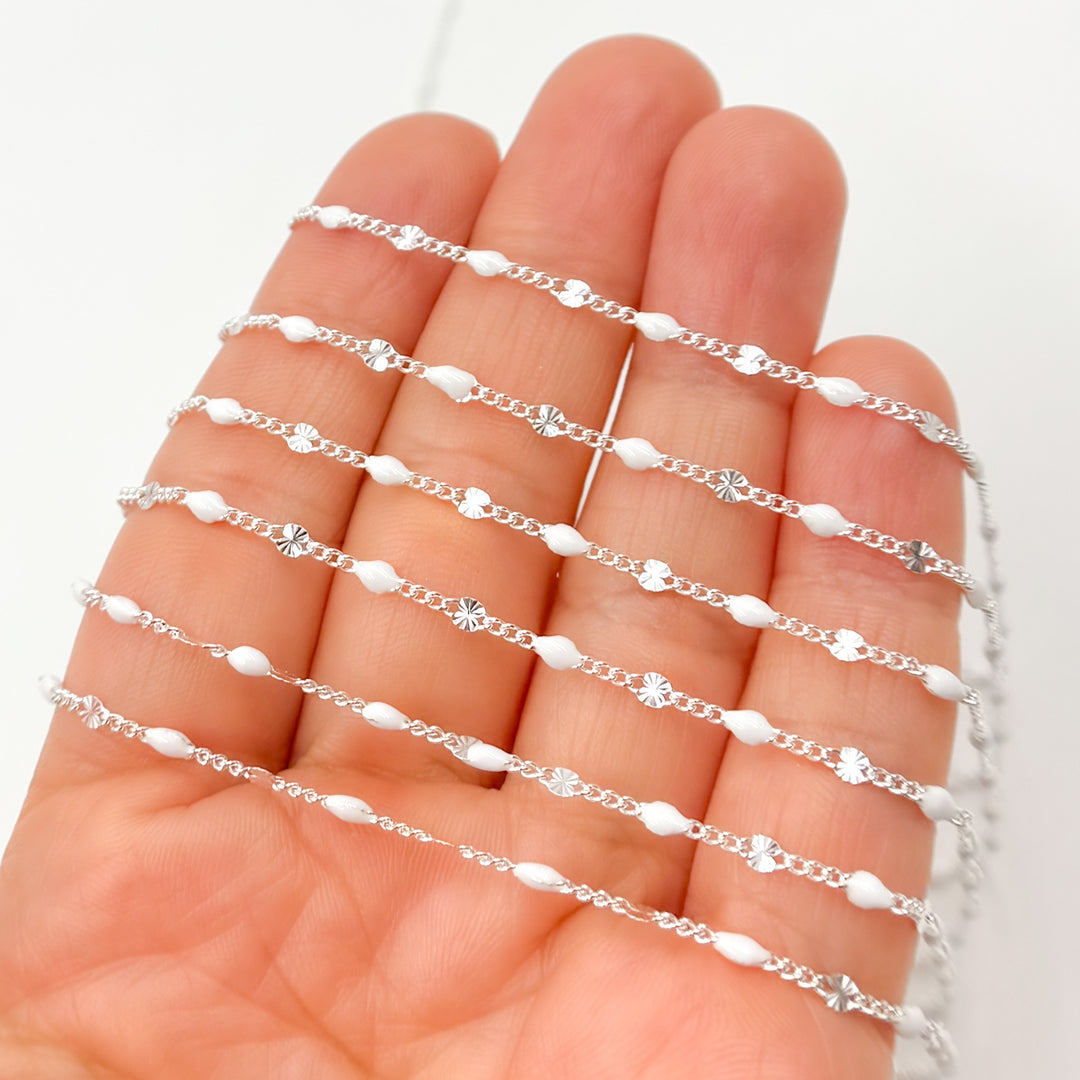
Sterling Silver White Color Enamel Marina Link Chain
View Product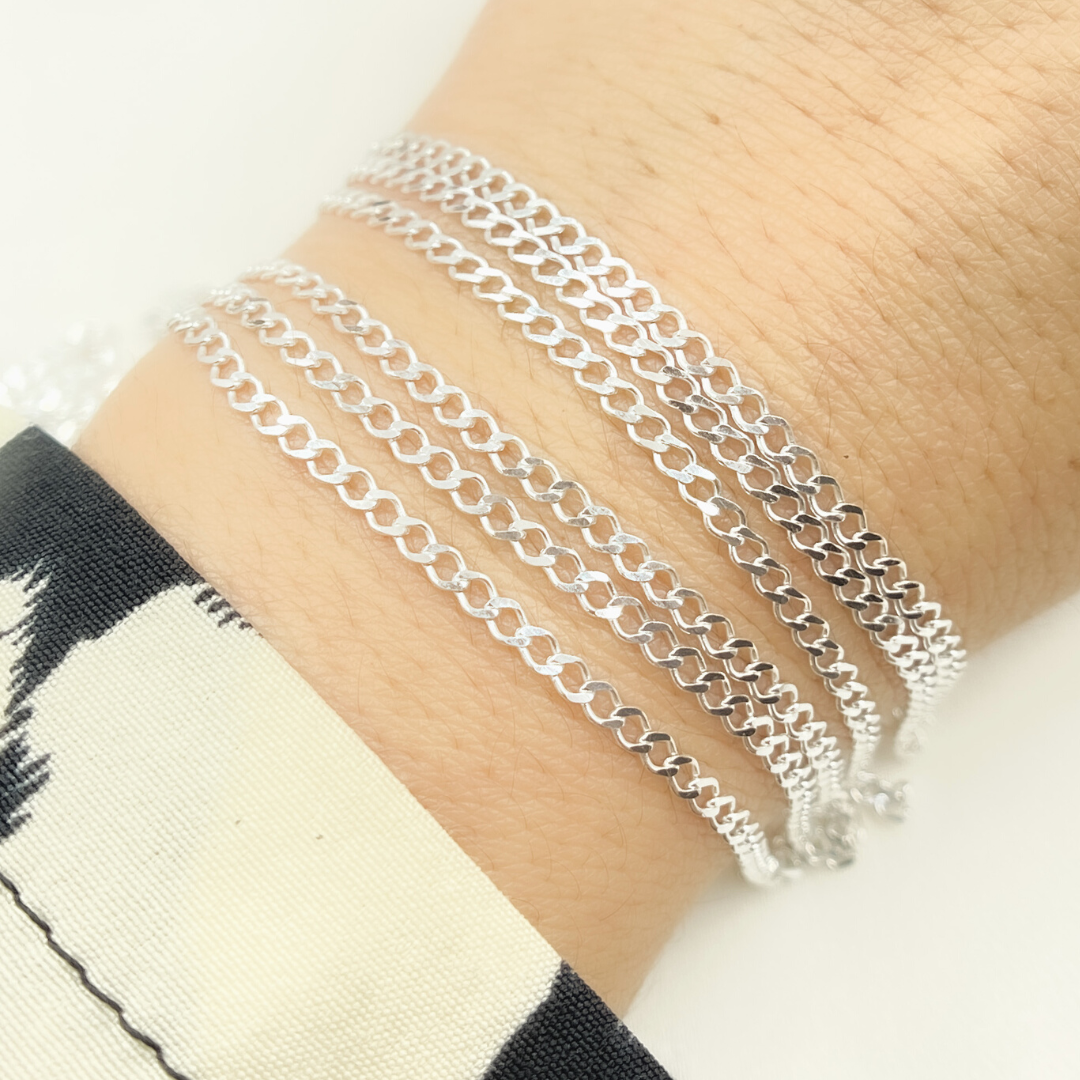
Sterling Silver Miami Flat Curb Link Chain
View ProductSterling Silver Oval & Mariner Link Chain
View ProductSterling Silver Flat Figaro Link Chain
View ProductIt comes from the Greek prefix "hypo," meaning under or less. So hypoallergenic means less likely to cause an allergic reaction not guaranteed to be allergy-free for every single person.
There is no official government definition or certification system for hypoallergenic jewelry. Any manufacturer can put that word on a label without meeting a specific standard. That is why you cannot just trust a label. You need to know what the metal actually contains.
Most jewelry allergies come from nickel. It is cheap, it hardens metal alloys and it is everywhere in low-cost fashion jewelry. When nickel contacts skin especially sweaty skin it releases ions that trigger an immune response. That response is what you experience as redness, itching and irritation.
The term hypoallergenic metals refers to metals that are unlikely to trigger this kind of reaction. They do not corrode easily, they do not leach irritating compounds into the skin and they do not contain high levels of nickel or cobalt the two most common metal allergens.
What a Metal Allergy Feels Like
Reactions usually show up within 24 to 48 hours of wearing a problematic piece. Common signs include:
- Red or inflamed skin directly under the jewelry
- Itching that gets worse the longer the piece is worn
- Dry, scaly patches that resemble eczema
- Blisters in more severe cases
- Long-term skin darkening if the exposure continues over weeks or months
This type of reaction is called contact dermatitis. It is not dangerous, but it is uncomfortable and it does not go away as long as you keep wearing the offending piece.
What Is Sterling Silver? The Basics
Pure silver the kind that is 99.9% silver — is too soft for jewelry. It bends under normal pressure. Rings lose their shape. Chains break. So what is sterling silver? It is an alloy: 92.5% pure silver mixed with 7.5% other metals. That 7.5% is what gives the metal its strength.
The most common secondary metal in sterling silver is copper. Copper is strong, widely available and not a known allergen for most people. Good-quality sterling silver uses copper as the alloying metal and that is what makes it skin-safe for the majority of wearers.
Some manufacturers, mostly at the cheaper end, use nickel instead of copper in that 7.5%. It costs less and makes the metal even harder. But for anyone with nickel sensitivity which affects roughly 10 to 15 percent of the population it causes reactions.
Quick Sterling Silver Facts
A few sterling silver facts worth keeping in mind when you shop:
- The 925 standard is global. Whether you are buying in New York, London or Mumbai, 925 means the same thing.
- Silver has natural antimicrobial properties. This is part of why it tends to sit well on skin compared to many fashion metals.
- It does tarnish. All sterling silver darkens over time. That is normal and does not affect skin safety.
- It can be restored. Tarnish is surface-level. A soft cloth and some silver polish bring it back.
- It is not the same as silver-plated. Plated jewelry has a thin silver layer over a different base. Sterling silver is solid all the way through.
Is Sterling Silver Hypoallergenic for Sensitive Skin?

Yes, in most cases. If the piece is genuine 925 sterling silver with a copper alloy and no added nickel, it is unlikely to cause a reaction in people with typical metal sensitivity.
The 92.5% silver component is naturally non-reactive. Silver does not corrode easily, it does not leach compounds into the skin under normal conditions and the human immune system rarely targets it. Copper, in the small 7.5% portion, is generally tolerated as well.
People who say they reacted to "sterling silver" are usually reacting to something else. Either the piece had nickel in the alloy, it was silver-plated rather than solid, the coating wore off or moisture got trapped under a chain or ring for a long period.
True reactions to genuine, nickel-free 925 silver are uncommon. They do happen some people have copper sensitivity or are genuinely reactive to trace metals but they are the exception, not the rule.
When Sterling Silver Does Cause a Problem
Here are the specific situations where a reaction is more likely, even with something labeled as sterling silver:
- The alloy contains nickel — common in cheaper imported pieces without third-party testing
- The piece is silver-plated, not solid sterling — the plating wears through with daily wear
- Sweat and moisture collect under the metal for extended periods, speeding up chemical reactions
- The jewelry is not cleaned regularly, allowing skin oils and residue to build up
- The wearer has a rare copper sensitivity, which affects a small percentage of people
Hypoallergenic Metals Compared: Which One Is Right for You?
If you are deciding between metals, here is a practical look at how they stack up for skin safety. Not all hypoallergenic metals work the same way and cost matters too.
925 Sterling Silver
Safe for most people. Affordable. Works across all jewelry types chains, earrings, rings, bangles. The main risk is low-quality pieces with nickel in the alloy. Stick to stamped 925 pieces from brands that disclose their metal composition.
Platinum
One of the most inert metals used in jewelry. Platinum does not tarnish, does not corrode and is not alloyed with nickel. The downside is cost — it is several times more expensive than gold or silver. Best suited for high-end fine jewelry.
14K or 18K Nickel-Free Gold
Pure gold is non-reactive, but gold jewelry is almost always alloyed. Yellow gold alloyed with copper or zinc is generally safe. White gold is sometimes alloyed with nickel — so always confirm it is nickel-free before buying. 18K gold has more pure gold and is safer than 10K for sensitive skin.
Titanium
Extremely biocompatible. Titanium is used in surgical implants for a reason — the body does not react to it. It is lightweight and very durable, but it has a harder, more industrial look. Resizing and adjusting titanium jewelry is difficult, which limits its use in fashion pieces.
Surgical Stainless Steel (Grade 316L)
A decent budget option. Grade 316L surgical steel is low-nickel and generally well-tolerated. However, it is not entirely nickel-free — it contains a small percentage. For most people that is fine, but for those with severe nickel allergies, even trace amounts can cause a reaction.
Argentium Silver
A newer variation of sterling silver where part of the copper is replaced with germanium. This makes it more resistant to tarnish and slightly more hypoallergenic than standard 925. Harder to find than regular sterling, but worth looking for if you have had minor reactions to standard silver in the past.
Shopping for Hypoallergenic Jewelry: What to Check

Buying hypoallergenic jewelry is not difficult once you know what to look for. The key is not trusting marketing language — it is reading the actual product details.
Look for the 925 Stamp First
Before anything else, check for the hallmark. On rings, it will be on the inside of the band. On necklaces and bracelets, check the clasp. On earrings, look at the post or the back. A missing stamp means you cannot confirm what the metal actually is.
Read the Full Product Description
Terms like "solid 925 sterling silver," "nickel-free," and "lead-free" are good signs. Terms like "silver-tone," "silver finish," "rhodium-plated over base metal," or "white metal" are not. If the description is vague, ask the seller directly what the alloy contains.
Ask About Rhodium Plating
Rhodium is one of the most hypoallergenic metals available. Many quality silver and white gold pieces are coated with a thin rhodium layer. It adds shine, resists tarnish and puts a barrier between the alloy and your skin. The plating wears off eventually — usually in one to three years with daily wear — and can be renewed by a jeweler.
Buy From Transparent Sources
A brand that lists specific alloy compositions, uses 925-stamped pieces and offers clear return policies is worth more than one that only says "hypoallergenic" in the description. Wholesale jewelry suppliers like Tresor Jewelry Inc. stock certified sterling silver and gold pieces with clear material descriptions across their full range of chains, earrings, bangles and pendants.
Choosing a Hypoallergenic Necklace: What to Keep in Mind
A hypoallergenic necklace needs to pass one test: it should sit against your skin for hours without causing any reaction. That sounds simple, but it rules out a large portion of what is sold online.
Necklaces are often worn all day, close to areas of the body that sweat — the neck, collarbone, chest. Heat and moisture speed up any chemical reactions between metal and skin. This makes the quality of the metal more important in necklaces than in, say, a ring that you take off easily.
For a daily-wear necklace, solid 925 sterling silver or 14K gold are the most practical choices. Here are four popular chain styles that work well for sensitive skin:
- Box chains: Flat, square links that lie flat and create minimal friction against the skin
- Cable chains: Classic oval links — simple, lightweight and easy to wear daily
- Rope chains: Twisted construction that distributes contact across more surface area
- Gemstone chains: The metal is mostly at the clasp; the stones make up most of the chain body, reducing skin contact
The style you choose matters less than the metal content. A beautiful rope chain made from plated base metal will still cause a reaction. A simple cable chain in solid 925 will not.
Hypoallergenic Earrings for Kids: What Parents Need to Know
Children's skin reacts to metal allergens faster and more intensely than adult skin does. Choosing hypoallergenic earrings for kids is not optional — it is a basic safety step, especially for first ear piercings.
The safest options for children are solid 925 sterling silver, implant-grade titanium or solid 14K gold. All three are nickel-free when sourced correctly and all three are well-tolerated by young skin. Avoid anything with a vague label, a base metal post or plastic components that can trap moisture.
- Stud earrings are safer than dangling styles — less movement means less friction and a lower chance of irritation
- Check the post material specifically — the post is what goes through the piercing, so it matters most
- Butterfly backs can trap moisture and skin oils, especially on children who are active — screw backs or flat disc backs are better
- Clean new piercings twice daily with saline for the first several weeks
- If redness, swelling or discharge appears, remove the earring and see a pediatrician or dermatologist
Cheap earrings from markets or novelty shops are almost never safe for children. If the price seems very low and there is no 925 stamp on the post, assume it contains nickel.
Sterling Silver Tarnish: Is It a Problem for Skin?
Tarnish is a chemical reaction between silver and sulfur compounds in the air and in your skin's natural secretions. The result is silver sulfide — a dark layer on the surface of the metal. It looks like the silver is "going bad," but it is not. The metal underneath is unchanged.
Tarnish does not make sterling silver allergenic. A piece that was safe to wear before tarnishing is still safe after. The tarnish layer itself is not irritating to skin for the vast majority of people.
- Store in airtight packaging. Ziplock bags or anti-tarnish pouches work well between wears.
- Keep it dry. Remove silver before showering, swimming or working out. Moisture speeds up tarnishing significantly.
- Wipe after wearing. A quick pass with a soft cloth after each use removes skin oils before they react with the metal.
- Use a polishing cloth for tarnish. A silver polishing cloth removes surface tarnish in a few seconds without scratching.
- Avoid perfumes and lotions. Apply those before putting on jewelry, not after. The chemicals in these products speed up tarnishing.

Benefits of Choosing Hypoallergenic Sterling Silver
There are several practical reasons why hypoallergenic sterling silver is one of the most popular choices in fine jewelry — beyond just skin safety.
- It works for most people with metal sensitivity. Genuine 925 silver with copper alloy is safe for the majority of wearers, including those who react to cheaper metals.
- It is affordable compared to gold or platinum. You get the look of fine metal without the premium price of 14K gold or the very high cost of platinum.
- It pairs well with gemstones. Sterling silver is the most common base for gemstone jewelry the cool tone of silver complements coloured stones better than yellow gold in many designs.
- Every type of piece is available in sterling. Chains, earrings, rings, bangles, pendants, bracelets the range is wider in silver than in any other metal at that price point.
- It can be worn daily. With basic care, sterling silver holds up well to everyday wear.
- It looks the same across decades. Sterling silver does not go in and out of fashion the way plated trendy metals do.
Is Silver Hypoallergenic? Breaking Down the Different Types
The answer depends entirely on which kind of silver you are talking about. "Silver" covers several different materials in the jewelry market.
Fine Silver — 999
Fine silver is 99.9% pure silver. It is the most hypoallergenic form of silver — there is almost no alloy to react to. The problem is it is very soft. Rings and chains in pure silver scratch easily and lose their shape. It is used occasionally for specialty items but not for everyday jewelry.
Sterling Silver — 925
This is what most silver jewelry is made from. 92.5% silver, 7.5% alloy — ideally copper. It is durable enough for daily wear and, when properly made, hypoallergenic for most people. This is the standard to look for.
Silver-Plated
A thin layer of silver electroplated over a base metal — usually brass, copper or a nickel alloy. The plating wears off with regular use. When it does, your skin contacts whatever is underneath. If the base metal contains nickel, reactions follow. This is the most common source of unexpected jewelry allergies.
Silver-Filled
A thicker layer of silver bonded to a base metal core. More durable than plated but still not solid silver. With heavy wear over time, the silver layer can wear away, particularly at edges and high-contact points.
Nickel Silver / German Silver
The name is misleading. Nickel silver contains no actual silver. It is an alloy of nickel, copper and zinc. It has a silver-like appearance and is used in cheap fashion jewelry and costume pieces. For anyone with nickel sensitivity, it is one of the most allergenic materials in jewelry.
How to Tell if a Piece of Jewelry Is Causing Your Skin to React
- Remove the piece and observe. Stop wearing the suspected item for three to five days. If the irritation clears, that piece is most likely the cause.
- Switch to verified 925 silver. Wear only stamped 925 sterling silver pieces and note whether reactions return.
- Check the stamp. Look for the 925 mark. Also check whether the finish is worn through anywhere exposed base metal under worn plating often causes late-onset reactions.
- Test one piece at a time. If you wear multiple pieces, change one at a time to isolate which item is causing the problem.
- See a dermatologist if needed. A patch test can identify specific metal allergies, including nickel and cobalt, so you know exactly what to avoid.
Final Thoughts
So, is sterling silver hypoallergenic? In most cases, yes. Genuine 925 sterling silver, especially when it is nickel-free, is often a good option for people with sensitive skin. It offers a good balance of comfort, durability and appearance, which is why it continues to be one of the most popular choices in everyday jewelry.
It is also important to remember that not all silver jewelry is the same. Real sterling silver is usually a better choice than silver-plated or low-quality mixed-metal jewelry, which may be more likely to cause irritation. If you have sensitive skin, checking for proper material details before buying can make a big difference.
You should also know that Sterling Silver Tarnish is completely normal and should not be confused with an allergic reaction. With the right care and a well-made piece, sterling silver can be a stylish, practical and skin-friendly option for regular wear.
FAQs
1. Is sterling silver hypoallergenic for everyday wear?
Yes, sterling silver hypoallergenic jewelry is often suitable for everyday wear, especially when it is nickel-free and made from high-quality 925 sterling silver. Many people with sensitive skin wear it comfortably for long hours.
2. Is 925 sterling silver hypoallergenic for sensitive skin?
925 sterling silver hypoallergenic jewelry is usually a good option for sensitive skin because it contains 92.5% silver and commonly uses copper as the remaining alloy. Just make sure the piece is nickel-free.
3. What is hypoallergenic in jewelry?
If you are wondering what is hypoallergenic, it means a material is less likely to cause an allergic reaction. In jewelry, hypoallergenic metals are chosen because they are gentler on the skin.
4. Is silver hypoallergenic or only sterling silver?
When people ask Is Silver Hypoallergenic, the answer depends on the type. Pure silver is generally skin-friendly, while sterling silver can also be comfortable if it is made with safe alloys and no nickel.
5. Does sterling silver tarnish mean it is bad for skin?
No. Sterling Silver Tarnish is a natural process and does not automatically mean the jewelry is unsafe. Tarnish affects appearance, but it is different from a metal allergy.
6. Are sterling silver necklaces good for sensitive skin?
Yes, a hypoallergenic necklace made from quality sterling silver can be a very good choice for sensitive skin. Always check that the chain and clasp are also made with skin-friendly materials.
7. Are sterling silver earrings safe for kids?
They can be. Hypoallergenic earrings for kids made from nickel-free sterling silver are often a smart option because they are gentle, lightweight and suitable for daily use.
8. What are the main benefits of hypoallergenic sterling silver?
The key Benefits of Hypoallergenic Sterling Silver include better comfort for sensitive skin, everyday durability, elegant appearance, affordability compared to some luxury metals and wide availability in stylish jewelry designs.