
Lobster Clasp vs Spring Ring Clasp: Which One Is Better for Jewelry
When you buy a necklace or bracelet, you probably don't think much about the clasp. But that tiny piece of metal? It's what keeps your jewelry from falling off and getting lost.
There are two types you'll see most often: lobster clasps and spring ring clasps. They look different, they work differently, and honestly, one is usually better than the other.
I'm not saying one is perfect for everything. It depends on what kind of jewelry you're buying and how you plan to wear it. But after helping hundreds of people pick jewelry and seeing what actually works in real life, I've learned which one holds up better.
So here's everything you need to know about both.
What Is a Lobster Clasp and Why It's Everywhere
A lobster clasp is that little claw shaped thing you squeeze to open. There's a lever on one side. You press it, a small arm pulls back, and you can hook it onto a ring or chain link.
Most decent jewelry has them. Necklaces, bracelets, even anklets. They're everywhere because they just work. The design makes sense. When you stop pressing the lever, the arm clicks back and locks everything in place.
What makes them popular is how much weight they can handle even when they're small. That's why you see them on heavier chains or pieces that get pulled around a lot.
They're also way easier to use than spring rings. If you have bigger fingers or your hands hurt sometimes, you don't need to struggle. Just squeeze, hook it on, let go.
But not every lobster clasp is good. The cheap ones die fast. The spring inside gets weak or the lever stops moving right. People bring in necklaces all the time where the clasp won't stay closed because something inside broke.
A good one though? It'll be fine for years.


What Is a Spring Ring Clasp and When It Makes Sense
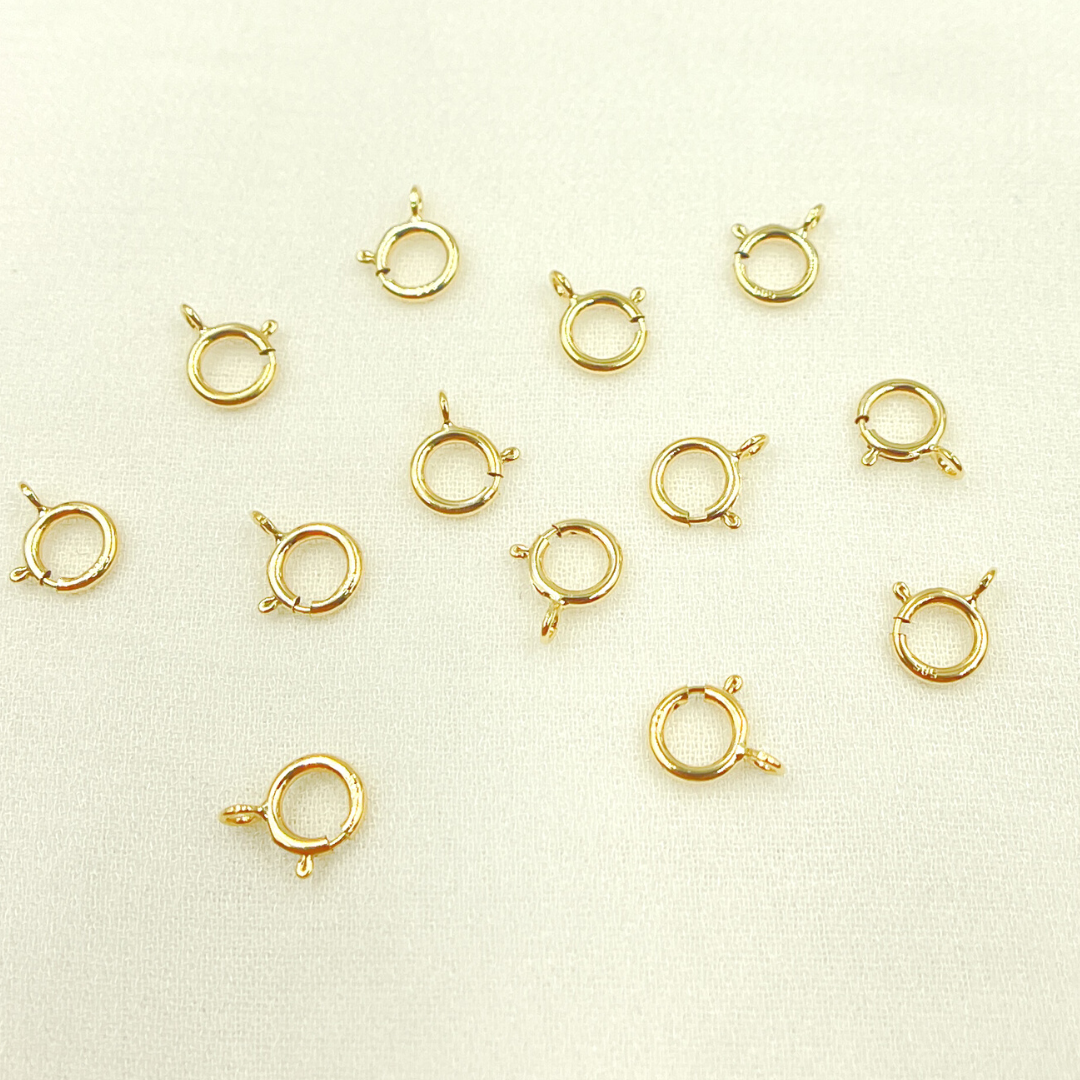
A spring ring clasp is that tiny circle with a gap on one side. You push or pull this little tab and the circle opens enough to slip onto a ring. Release it and it snaps shut.
They're cheaper to make and they weigh almost nothing. That's why delicate chains and costume jewelry usually have them. When the piece is light and doesn't move much, they work okay.
Here's the problem. Try putting on a bracelet by yourself with a spring ring. It's annoying. The thing is so small it keeps slipping out of your fingers. You need a decent grip just to open it. Anyone with arthritis will hate it.
Spring rings wear out faster too. The spring is thinner and gets exposed to all kinds of stuff. Dirt, lotion, sweat. After a while it loses its snap. You'll see plenty that won't fully close or pop open randomly because the spring is done.
They're not terrible. They're just not made for anything heavy or anything you wear every day.



Security: Which One Stays Closed Better
So you're probably wondering which clasp is more secure, right?
Lobster clasps are more dependable. The way they lock is stronger and they don't open by accident as easily. Even if your necklace gets caught on something, a lobster clasp usually hangs on.
Spring rings pop open when they're cheap or old. The spring gets weaker over months and years. Once that happens the clasp doesn't shut tight anymore. People lose necklaces they love because a spring ring failed.
Now a really good spring ring on a light chain will be fine. But if you're wearing something expensive or meaningful, get a lobster clasp.
Also think about how the clasp connects to the chain. If it's attached to a weak ring or the connection is sloppy, the clasp type doesn't even matter. The jewelry will break at the weak spot.
Ease of Use: What Actually Works Every Day
If you wear jewelry all the time, this matters more than you think.
Lobster clasps are easier. Period. You can open and close them with one hand if you need to. Bracelets especially. You can grip the lever without needing surgeon hands.
Spring rings are a pain. You have to pinch this tiny tab and hold it while you thread the ring through. Short nails? Shaky hands? Good luck.
People with arthritis or hand problems often ask jewelers to swap their spring rings for lobster clasps. They just can't deal with them anymore. It's a real thing.
Spring rings do look smaller though. If you want something that hides better on a thin chain, they might look nicer. But you're giving up convenience.
Durability Over Time: What Lasts and What Doesn't
How long a clasp lasts isn't just about the type. It's about what it's made of and how you treat it.
Lobster clasps usually last longer. The spring mechanism sits inside the body so it's protected better. Oils and creams and daily crud can't get to it as easily. A decent lobster clasp will go several years without issues.
Spring rings break down faster. The spring is out there getting hit with everything. It's also thinner to begin with. Wear your jewelry in the shower or sleep in it? The spring ring won't make it as long. The metal bends easier too because the whole thing is less solid.
Jewelers replace way more spring rings than lobster clasps. That tells you something right there.
Quality still matters more than type sometimes. A solid gold spring ring will beat a cheap plated lobster clasp. So think about what the clasp is actually made of, not just what kind it is.
Best Clasp for Necklaces: Light Chains vs Heavy Ones
With necklaces, weight is the main thing.
Got a delicate chain? Like those really thin cable chains or dainty pendant necklaces? A spring ring is fine. It's light enough that it won't drag the chain down and it stays hidden.
Anything heavier needs a lobster clasp. Medium and heavy chains put stress on the clasp. Spring rings can't handle it. They bend and snap on chains that weren't even that thick.
If you layer necklaces, go with lobster clasps. When chains rub together or tangle up, a lobster clasp won't pop open as easily.
Also, lobster clasps don't slide around as much. Spring rings love to work their way to the front of your neck. Then you're fixing it all day.
Best Clasp for Bracelets: Dealing with Movement
Bracelets move constantly. Your wrist bends, the bracelet swings around, the clasp gets tested nonstop.
Lobster clasps work better for bracelets. You can put them on by yourself without wanting to throw the thing across the room. They handle all that movement better. Spring rings are tough to work with one handed and they open easier when the bracelet gets pulled.
Tennis bracelets, charm bracelets, any kind of chain bracelet. Lobster clasps make sense. They hold better and you won't get mad trying to fasten them every morning.
Only time a spring ring might work is on something super light that's basically decorative. But even then a small lobster clasp is probably still better.
What Jewelers Actually Use and Recommend
Most jewelers prefer lobster clasps when it matters. If someone's buying something they'll wear regularly, they usually suggest switching to a lobster clasp if it has a spring ring.
Why? They see what breaks. Spring rings come back for repair way more often. Lobster clasps just don't fail as much.
Spring rings still get used though. Mass market jewelry and cheaper pieces use them to save money. And sometimes on really delicate designs they fit better.
But for fine jewelry or something with meaning behind it, lobster clasp every time. It costs a bit more but it's worth it.
Problems You'll See with Cheap Clasps
Not all clasps are made well. Bad ones cause headaches.
With lobster clasps the spring goes weak. The lever won't snap back or it sticks halfway. Sometimes the whole lever snaps off if the metal is too thin.
There are also lobster clasps where the opening is too narrow. The jump ring won't fit through right or barely catches. That's just bad design and the clasp is basically useless.
Spring rings have different problems. The spring dies so the clasp won't close tight. Or that little tab breaks off because the metal is brittle. Then you can't even open it.
Both types have plating issues when they're cheap. The finish rubs off fast. You end up with gross looking discolored hardware that makes the whole piece look bad.
When you're shopping online or buying budget jewelry, check what the clasp is made of. Sterling silver, gold filled, solid gold. Those are good. If it just says "metal" or "alloy," be careful.
So Which One Should You Actually Buy?
Here's what makes sense after looking at how both work.
Lobster clasps are better for most jewelry. They're stronger, easier to use, they last longer. If you're getting a necklace or bracelet you'll actually wear, get a lobster clasp.
Spring rings are okay for really lightweight delicate pieces where you need the clasp to be tiny. But they're not great for heavy stuff or daily wear.
Think about how you'll use it. Something you put on and take off every day? Ease of use matters. Something valuable or sentimental? Security matters.
If you're buying jewelry for someone older or anyone whose hands don't work as well, definitely get a lobster clasp. It'll make their life easier.
The truth is a good clasp comes down to quality no matter what type it is. A well made spring ring beats a garbage lobster clasp. So look at the materials and how it's made, not just whether it's a lobster or spring ring.
Frequently Asked Questions
Are lobster clasps more secure than spring ring clasps?
Yeah, usually they are. The locking part is stronger and they don't pop open as easily. Spring rings lose their tension after a while, especially cheap ones.
Which clasp is safest for necklaces?
Lobster clasps are safer, especially if the chain has any real weight to it. They deal with movement and stress better.
Do spring ring clasps break easily?
They can if they're not made well. The spring inside wears out faster than what's in a lobster clasp. Once the spring is weak the clasp won't work right.
Are lobster clasps good for daily wear?
Yes. They're tough, easy to work with, and they hold up to regular use. Just buy a decent quality one.
What type of clasp do jewelers prefer?
Most jewelers like lobster clasps for everyday pieces and anything nice. They're more reliable and cause fewer issues.
Can I replace a spring ring clasp with a lobster clasp?
You can and people do it all the time. Any jeweler can swap it out for you. It's easy and makes the jewelry better to use and more secure.
Which clasp is better for bracelets?
Lobster clasps work better on bracelets. They're easier to close with one hand and they stay closed better when the bracelet moves around.