
Introduction: When Jewelry Was Not Fashion
If you look at jewelry today, it often feels light, trend-driven and temporary. Styles change every season. What is popular this year may feel outdated the next. But this was not always the case. In fact, for most of human history, jewelry had nothing to do with fashion at all.
Early humans lived in a world that was unstable and often dangerous. Food was uncertain. Illness had no explanation. Nature felt powerful and unpredictable. In such a world, people searched for anything that felt solid and reliable. Stones that survived fire, pressure and time naturally stood out. When these stones also showed color, shine or weight, people felt drawn to them.
This emotional response is where the real history of jewelry begins. Jewelry was not created to impress others. It was created to feel protected, grounded and connected. Gemstones entered human life because they felt permanent in a world where almost nothing was.
The long gemstone history that followed is not a straight line. It moves slowly through belief, trade, power, art and personal identity. Over thousands of years, gemstones shifted roles again and again, but they never disappeared. That alone tells us how deeply they are connected to human nature.
The evolution of gemstone jewelry is really the story of how humans changed, while still holding on to the same emotional needs of safety, meaning and expression.
What Are Gemstones?
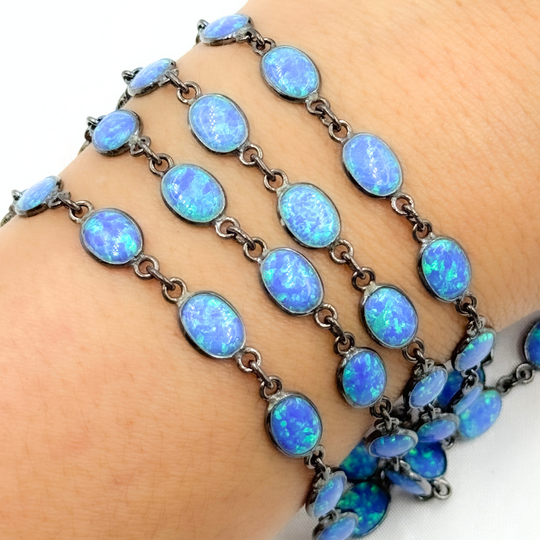
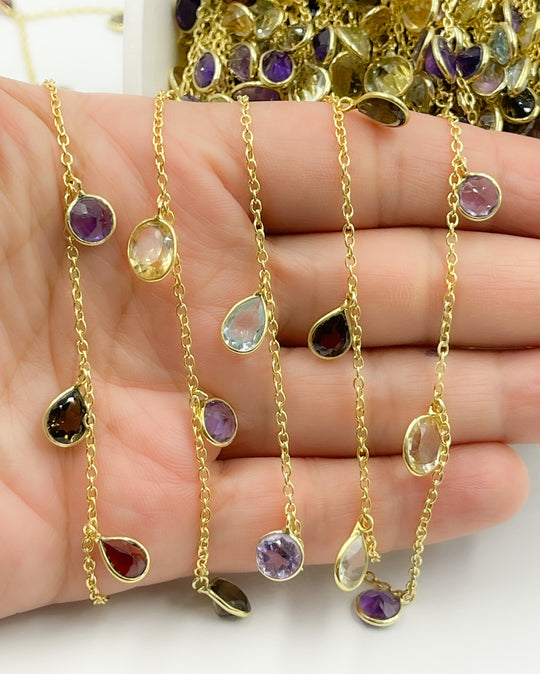
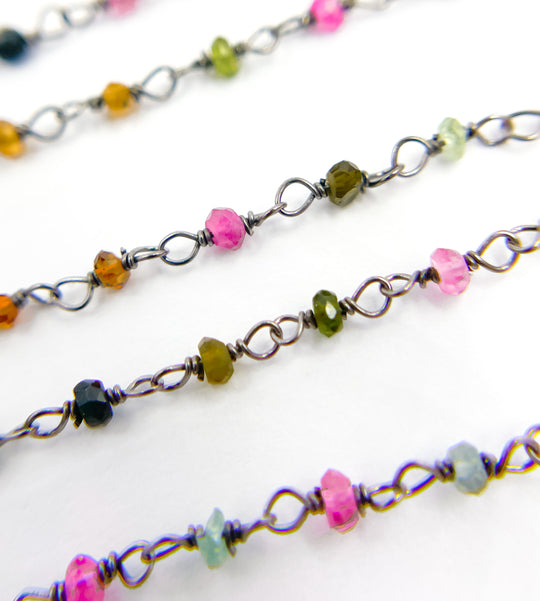
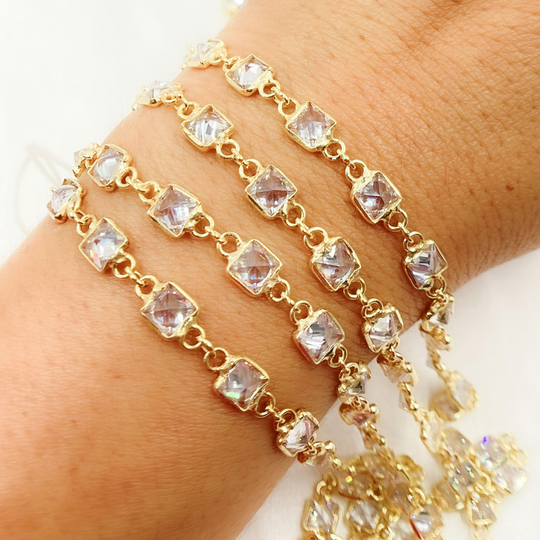
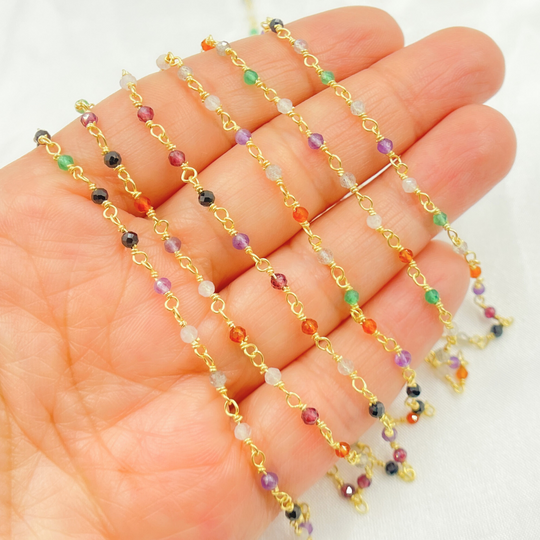
Instead of starting with science, it helps to start with instinct. So let’s ask the question the way early humans might have asked it: what are gemstones, really?
Gemstones are stones that people chose to keep. That’s it. Before classifications, before certificates, before markets, gemstones were simply stones that felt different. They were harder than others. They held color longer. They resisted damage. They felt valuable without anyone needing to explain why.
Most gemstones are minerals formed deep inside the earth under heat and pressure. Others, like pearls or amber, come from organic processes. But none of this mattered to early cultures. What mattered was experience.
This is why gemstones and crystals were never treated casually. People noticed that some stones survived fire while others cracked. Some stayed smooth after years of use. Some reflected light in ways that felt alive. Over time, these observations turned into trust.
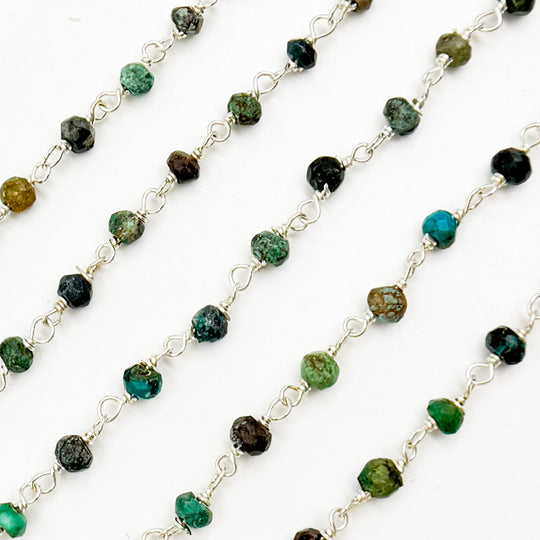
From this trust came gemstone meaning and symbolism. Red stones were associated with blood, strength and survival because blood meant life. Green stones reminded people of plants, growth and renewal. Blue stones reflected water and sky, both essential for survival and calm.
These meanings were not created by scholars. They were created by living, watching and remembering. A gemstone became personal because it connected to real experiences.
The Origin of Gemstone Use in Ancient Cultures
As humans began forming organized societies, gemstones started taking on clearer roles. What began as instinct slowly turned into tradition.
Mesopotamia: Stones as Authority
In Mesopotamia, gemstones were linked to power and order. Seals carved from gemstones were used to mark ownership and official documents. These were not decorations. They were tools of control.
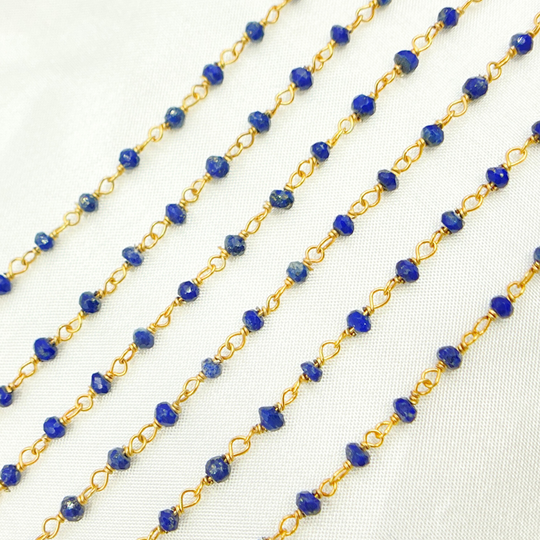
Lapis lazuli was especially valued because it was rare and imported from far away. Its deep blue color felt connected to the heavens, making it suitable for religious and royal use. Owning such a stone meant access to trade networks and authority.
Ancient Egypt: Stones and the Afterlife
In Ancient Egypt, gemstones carried spiritual responsibility. Egyptians believed life continued after death and gemstones could protect the soul during that journey.
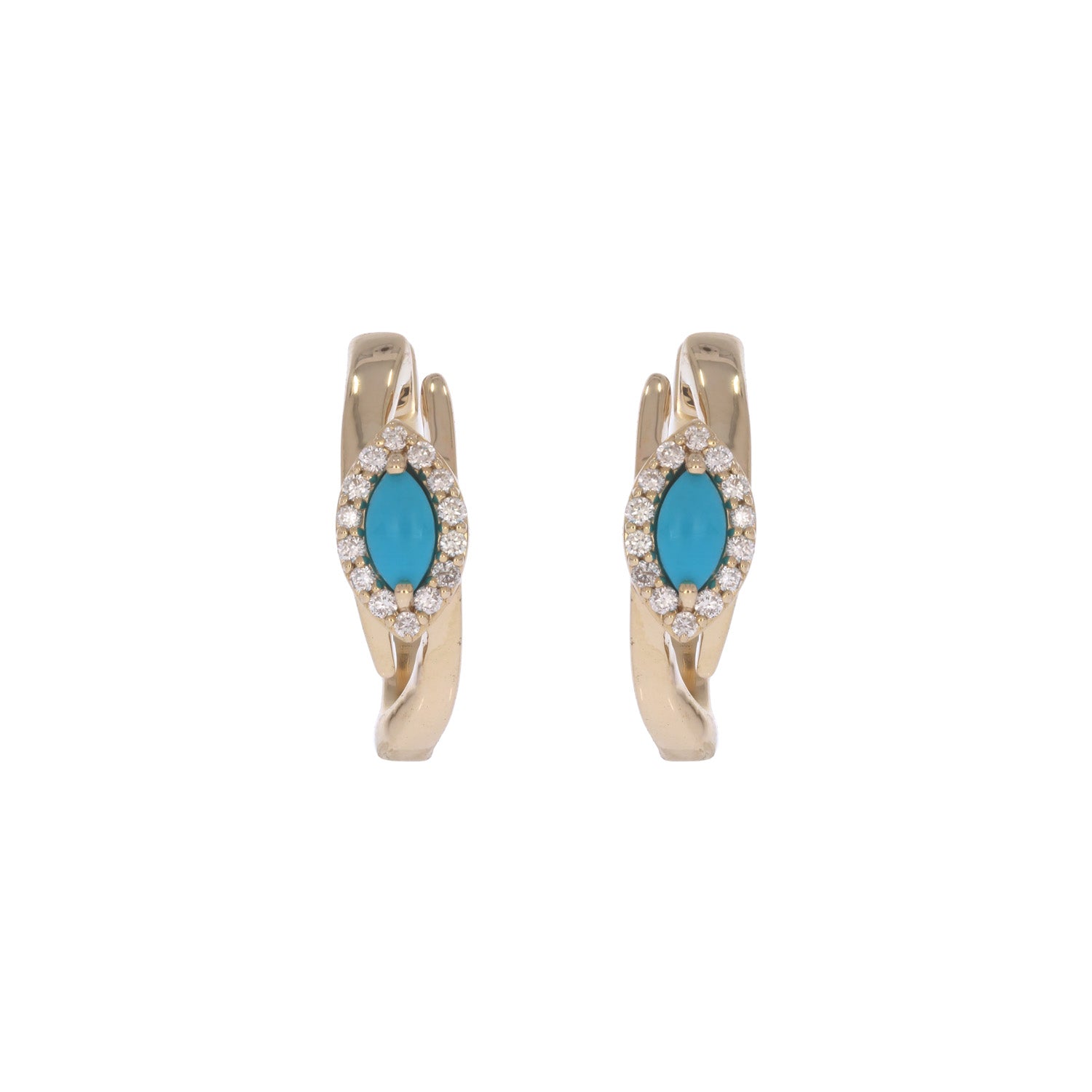
Jewelry was placed inside tombs not to display wealth, but to ensure spiritual safety. Turquoise symbolized protection. Carnelian represented life force. Lapis lazuli was linked to divine energy. These stones were chosen carefully, not randomly.
Indus Valley: Skill and Daily Use
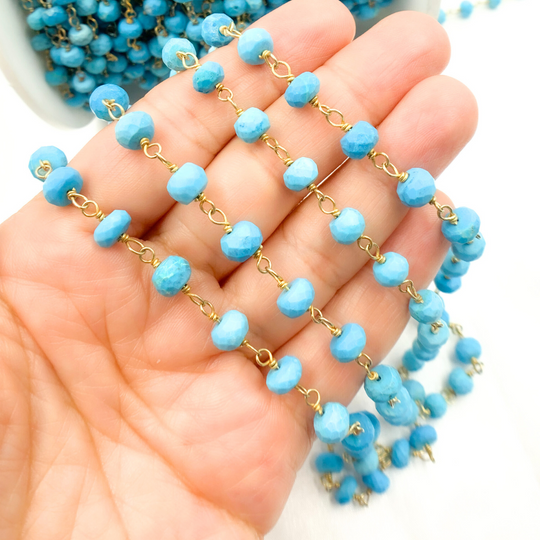
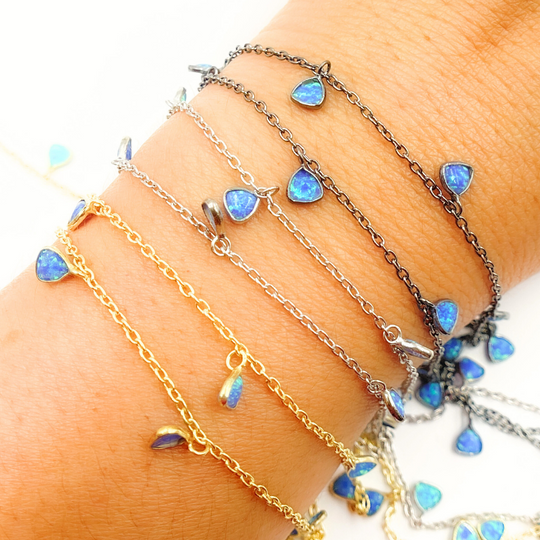
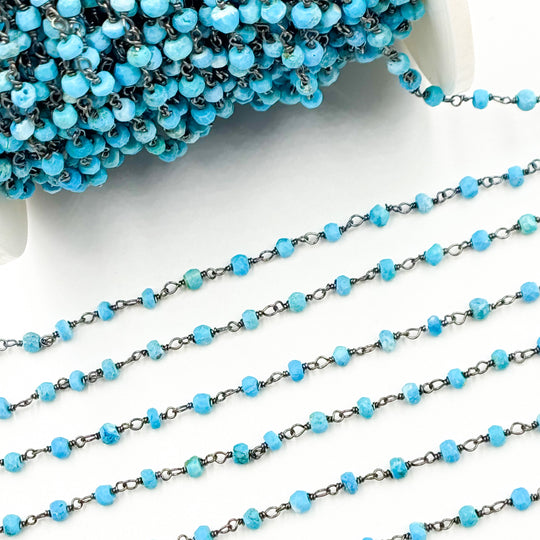
The Indus Valley Civilization shows how gemstones entered everyday life. Artisans drilled tiny, precise holes into hard stones like carnelian using simple tools. These ancient jewelry techniques required patience and deep understanding of material.
Gemstone beads were worn daily, traded widely and valued across social levels. This tells us that gemstones were not always elite symbols; they were also part of ordinary life.
Ancient China: Jade as Moral Symbol
In Ancient China, jade stood above gold. It symbolized purity, balance and moral integrity. Jade jewelry was often passed down through generations, carrying family values with it.
Here, gemstones became emotional heirlooms rather than status markers.
Gemstone Traditions and Beliefs in History
Once gemstones became trusted, belief followed naturally. People began attributing unseen influence to stones.
These gemstone traditions in history were built on storytelling. Parents told children which stones were protective. Elders passed down which stones brought calm or courage.
Many ancient gemstone beliefs and myths treated stones as active forces. Rubies were said to darken when danger approached. Emeralds were linked to truth and foresight. Sapphires were worn to calm the mind and protect against negative thoughts.
Whether these beliefs were true is not the point. What matters is how strongly people believed them. And belief shapes behavior, rituals and design.
Famous Historical Gemstones and Their Stories
Some gemstones became famous not because of size alone, but because of history. The Koh-i-Noor Diamond traveled through Indian dynasties, Persian rulers and British monarchy. Every ruler believed it symbolized absolute power.
The Hope Diamond gained a reputation for misfortune. These stories show how gemstones became tied to fate and fear, not just beauty.
Such historical gemstones in royal jewelry were political symbols as much as ornaments.
Gemstone Jewelry in Specific Civilizations
Roman Gemstone Usage in Jewelry
The Roman gemstone usage in jewelry focused on identity and function. Engraved gemstones set into rings acted as personal seals. These rings confirmed authority and social rank.
Romans also believed gemstones affected health and courage. Soldiers wore them into battle. Leaders used them to reinforce presence and legitimacy.
Indian Gemstone Jewelry History
The Indian gemstone jewelry history blends spirituality with advanced craftsmanship. India supplied gemstones to the world and developed cutting skills early.
The Navratna tradition connected gemstones to planetary forces, influencing well-being. Mughal jewelry later emphasized richness, symmetry and vibrant color.
Other Ancient Civilizations
In Ancient Greece, gemstones featured mythological scenes. In Pre-Columbian Americas, jade and turquoise symbolized life and renewal.
Evolution of Gemstone Jewelry Over Time
The evolution of gemstone jewelry followed trade routes and belief systems. Medieval Europe linked gemstones to religion. The Renaissance emphasized artistry. The Victorian era added emotion, giving rise to vintage gemstone jewelry filled with memory and symbolism.
Each period added meaning without erasing the past.
Gemstones in Modern Fashion: A Return to Personal Meaning
Today, gemstones are personal again. People choose them for stories, milestones and self-expression.
Modern design values simplicity, ethics and individuality. Brands like Tresor Jewelry Inc reflect this shift by respecting tradition while creating wearable, meaningful jewelry for everyday life.
Conclusion: Why Gemstones Still Matter
Gemstones have remained part of human life because they offer more than visual appeal. From early civilizations to modern societies, they have represented strength, belief, identity and craftsmanship. Different cultures used gemstones in different ways for protection, spiritual balance, authority or personal expression but the connection between people and stones never disappeared.
The history of gems and jewelry shows how gemstones adapted with time. As trade expanded and techniques improved, gemstones traveled across regions, blending traditions and styles. This shared history explains why gemstone jewelry feels timeless rather than outdated.
Understanding the history of precious stones like ruby, emerald, sapphire helps us see jewelry as more than a fashion accessory. It is a reflection of human culture, emotion and skill, which is why gemstone jewelry continues to hold meaning even in modern fashion.
FAQs
1. Why were gemstones so important in ancient civilizations?
In ancient times, gemstones were valued for their durability, rarity and emotional meaning. People believed certain stones could protect them from harm, bring strength or connect them to spiritual forces. Since gemstones lasted longer than most materials, they naturally became symbols of trust and permanence.
2. How did gemstone meanings and symbolism develop?
Gemstone meanings were not created through theory but through observation and experience. Colors, hardness and natural behavior of stones influenced how people perceived them. Over generations, these observations turned into stories, beliefs and traditions that were passed down culturally.
3. Did ordinary people also wear gemstone jewelry in history?
Yes, gemstone jewelry was not limited to royalty alone. While kings and nobles wore rare stones, ordinary people used simpler gemstones as beads, amulets or talismans. These stones were often worn for personal belief, protection or emotional comfort.
4. How did trade influence the evolution of gemstone jewelry?
Trade routes allowed gemstones to travel across continents, connecting different cultures. Indian gemstones reached Roman markets, while Egyptian and Persian stones influenced Asian designs. This exchange helped shape shared styles, techniques and traditions in gemstone jewelry.
5. Are ancient gemstone beliefs still relevant today?
While modern buyers may not follow ancient beliefs strictly, the emotional connection remains strong. People still choose gemstones to mark milestones, express personality or hold sentimental value. This lasting emotional role keeps gemstone jewelry relevant even today.