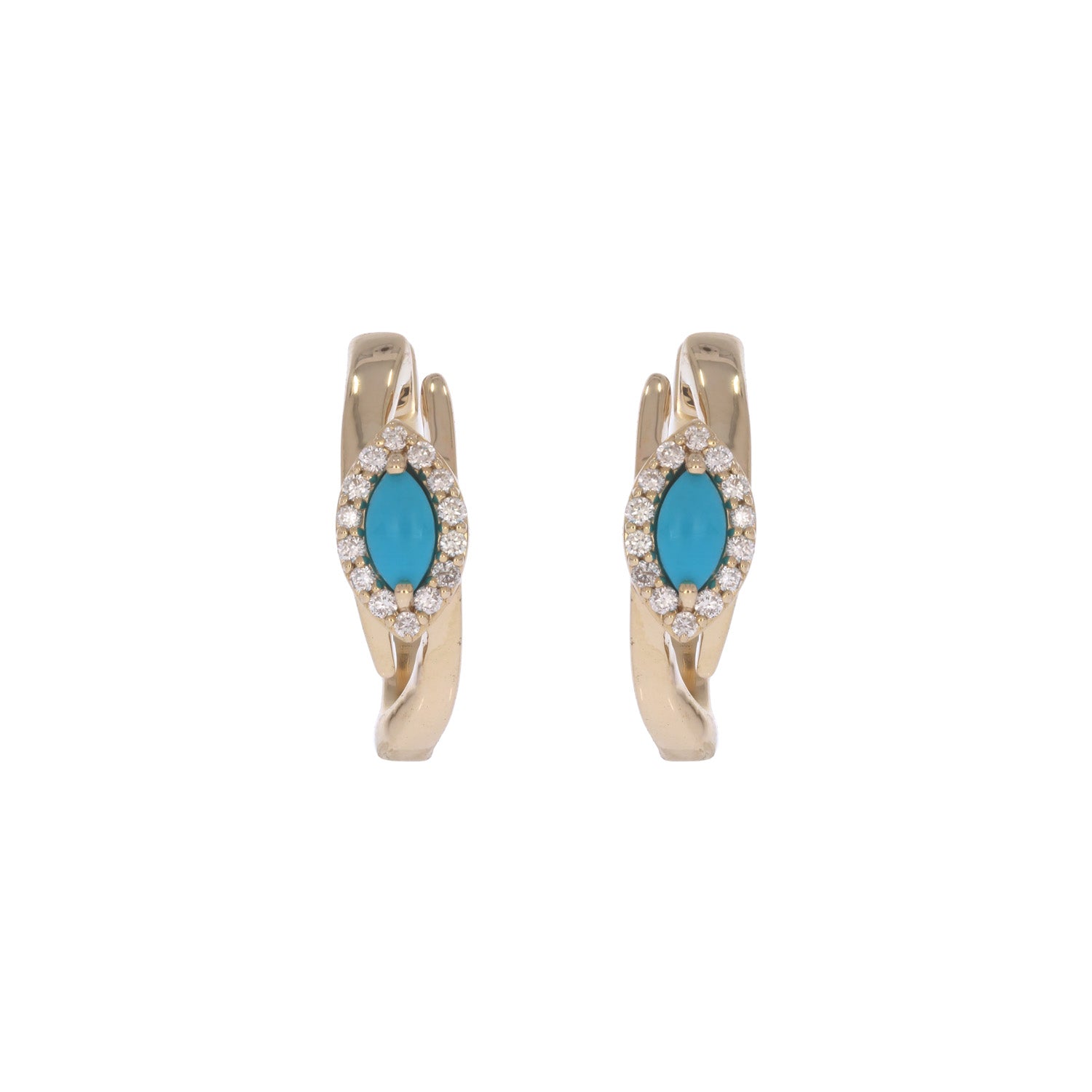

What is 14K Gold? Your Complete Guide to Understanding Gold Purity
Have you ever stood in a jewelry store, completely overwhelmed by choices? "This is 10K, this is 14K, and this beauty over here is 18K," the salesperson says, while you're thinking, "What's the actual difference?"
If you shop for Jewelry, you have probably encountered the term "14K gold" more than expected. But what does it absolutely suggest? Whether investing in an engagement ring, a necklace, or ordinary add-ons, knowing the right can help achieve ultimate portions.
Learn truly valuable the whole lot you want to realise about 14K gold, from its composition to its rate.


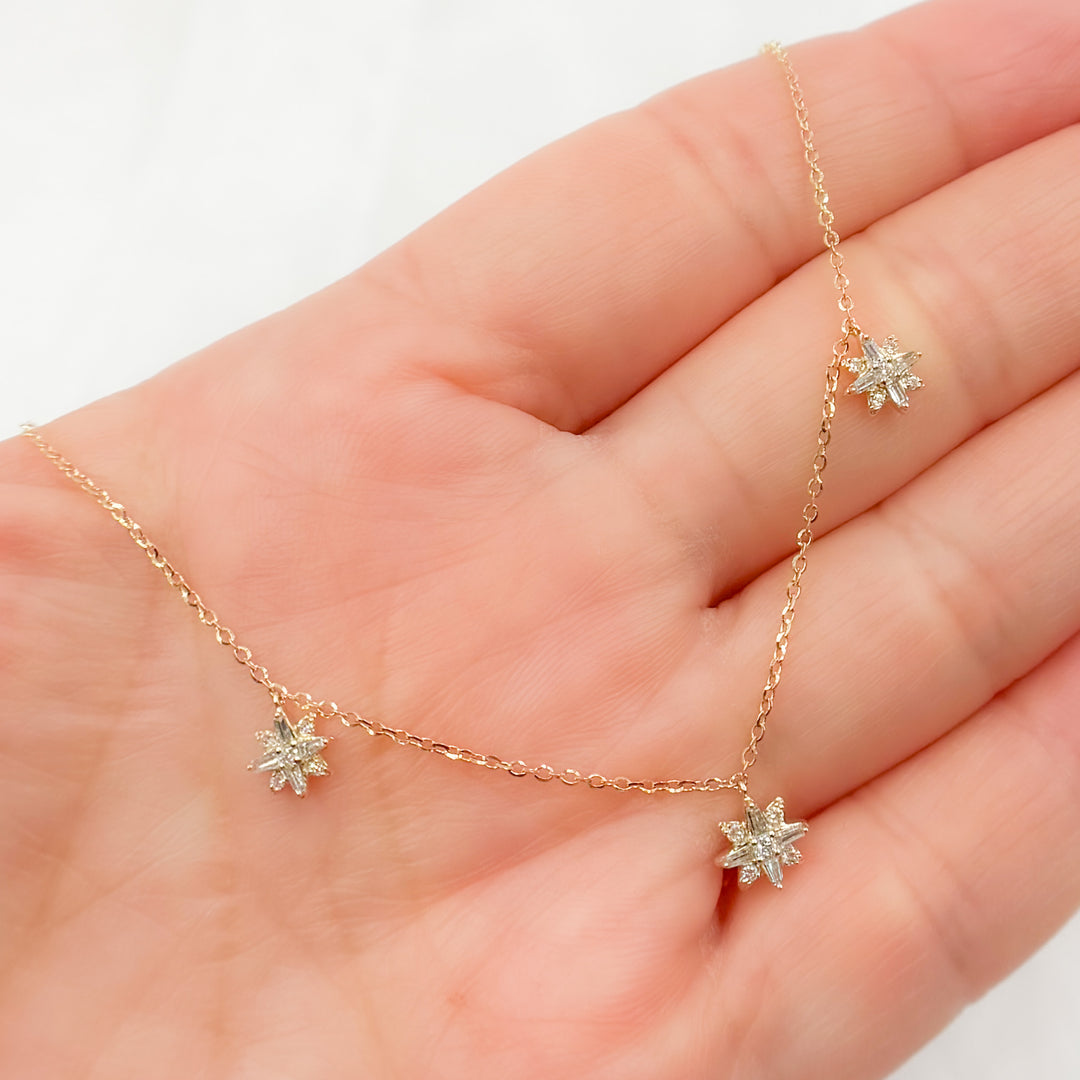
What is 14K Gold Made Of?
Here's the truth: 24-karat gold is stunning but also notably tender. Imagine trying to put on a hoop made from butter. It would bend, scratch, and lose its shape nearly without delay. That's why jewelers create gold alloys.
14K gold is a gold alloy that incorporates fifty-eight percent 24-karat gold blended with other metals. The "K" stands for karat, the dimension gadget used to determine gold purity. In this situation, 14 out of 24 parts are pure gold, whilst the final 10 components consist of other metals.
So, what is 14K gold mixed with? The answer depends on the color you're looking for. Jewelers blend pure gold with various metals to create different hues and improve durability. Common metals include copper, silver, zinc, nickel, and palladium.
These additional metals have two functions: they strengthen the jewelry, so the chance of scratching it is reduced, and they change the color to allow for variations including white, yellow, or rose gold.
What Percent Gold is 14K?
Let's break down the math in simple terms. What percent of gold is 14K? The answer is approximately 58.3% to 58.5%. To calculate this, divide 14 by 24 (the total number of karats in pure gold) and multiply by 100.
Consider it this way. A 14K gold ring, weighing 10 grams, contains about 5.83 grams of pure gold. The remaining amount consists of other metals in the alloy. This amount makes 14K gold a solid middle material for jewelry. It has enough pure gold to maintain value and that classic golden appearance, while including enough alloy metals to ensure your jewelry survives everyday life.
What is 14K Yellow Gold?

Remember your grandmother's wedding band with that warm, rich golden glow? That's probably 14K yellow gold. It's the most traditional and recognizable form of gold jewelry.
14-karat yellow gold is comprised of 58.3% pure gold, which is typically alloyed with copper and silver to produce warm tones. This variety of gold closely resembles the pure gold color of natural gold. Because of this similarity to natural gold primarily in color, is an excellent choice for engagement rings, wedding bands, and classic jewelry.
Key characteristics of 14K yellow gold:
- Rich, warm golden color
- Classic and traditional appearance
- Complements all skin tones
- Perfect for vintage-style jewelry
- Requires minimal maintenance
The copper content adds warmth to the color, while silver helps balance the tone. It's no wonder this has been the gold standard (pun intended) for centuries!
What is 14K White Gold?

Have you ever wondered why some gold looks silver? That's the magic of white gold! 14K white gold has become incredibly popular over the past few decades, especially for engagement rings. Walk into any jewelry store today, and you'll likely see more white gold than yellow.
White gold contains the same 58.3% pure gold as yellow gold, but it's mixed with white metals like palladium, nickel, or manganese instead of copper. Most white gold jewelry is also plated with rhodium, a precious metal that gives it that brilliant, silvery-white finish.
Key characteristics of 14K white gold:
- Modern, silvery-white appearance
- Enhances the brilliance of diamonds
- Requires occasional rhodium re-plating
- Contemporary and elegant look
- Popular for engagement rings
Here's something to keep in mind: that rhodium plating may wear off over time, especially on rings, requiring occasional re-plating (usually every few years) to maintain its lustrous appearance. It's a small maintenance step, but worth knowing before you buy.
What is 14K Gold Plated?
This is where many people get confused, and honestly, where some sellers aren't entirely upfront. Let me explain the difference clearly because it matters for your wallet.
Gold plated items have a very thin layer of 14K gold applied to a base metal through electroplating. The base metal is typically brass, copper, or sterling silver. Picture painting a wooden table with gold paint. It looks gold, but underneath, it's still wood.
While gold plated jewelry looks beautiful initially and costs significantly less, the thin gold layer can wear off over time, especially on pieces that experience frequent friction like rings and bracelets. The thickness of the gold layer is usually measured in microns and can range from 0.5 to 2.5 microns. That's thinner than a human hair!
If you're looking for jewelry that will last decades and potentially become a family heirloom, solid 14K gold is the better investment. Gold plated pieces are perfect for trendy fashion jewelry you'll wear for a season or two, but not for your forever pieces.
Also Read: White Gold Plated Meaning: What You Need to Know
What is 14K Gold Vermeil?
Gold vermeil (pronounced ver-may) is basically gold plating's sophisticated older sibling. It has stricter quality standards that set it apart.
For jewelry to be labeled as vermeil, it must have a sterling silver base (not cheap brass or copper) and be coated with at least 2.5 microns of gold (10K or higher). That's thicker than regular gold plating, which means it lasts longer.
14K gold vermeil means the coating is 14K gold rather than 10K, making it more valuable than standard vermeil. This option offers a good compromise between affordability and quality. Think of it as the middle child between gold plated and solid gold. It won't last as long as solid 14K gold, but it's a significant step up from basic plating.
What is the Difference Between 10K and 14K Gold?
This is probably one of the most common questions I hear: "Should I buy 10K or 14K?" Let me help you decide with a clear comparison.
When comparing these two popular gold purities, the main differences come down to gold content, appearance, durability, and price.
Gold Content:
-
10K gold: 41.7% pure gold (10 parts gold out of 24)
-
14K gold: 58.3% pure gold (14 parts gold out of 24)
Appearance: 14K gold has a richer, more vibrant golden color because it contains more pure gold. 10K gold appears slightly paler and can sometimes have a slightly more muted tone due to the higher percentage of alloy metals.
Durability: Here's where 10K gold shines. It's harder and more scratch-resistant because it contains more alloy metals. If you work with your hands daily or have an active lifestyle, 10K might appeal to you.
Price: 10K gold is more affordable due to lower gold content, typically costing 20-40% less than comparable 14K pieces.
So, what is better, 10K or 14K gold? For most people, 14K gold strikes the perfect balance. It's more valuable, has a better color, and is still durable enough for daily wear. However, 10K gold is ideal if you need maximum durability (think: mechanics, construction workers) or are working with a tight budget.
What is the Difference Between 14K and 18K Gold?
Now let's move up the luxury ladder. Maybe you're shopping for something really special, and the jeweler mentions 18K gold. Is it worth the extra money?
18K gold contains 75% pure gold (18 parts out of 24), compared to 14K gold's 58.3%. That's a significant jump in purity!
Color Difference: The higher gold content in 18K gives it a richer, more saturated yellow color. It's noticeably more golden than 14K, especially in yellow gold jewelry. If you place a 14K ring next to an 18K ring, you'll immediately see the difference.
Durability Consideration: Here's the trade-off: 18K gold is softer and more prone to scratching and denting because it contains less hardening alloy metals. It's also more expensive, sometimes significantly so, due to the higher gold content.
Value Perspective: 18K gold has higher intrinsic value and is often preferred in European and Asian markets, where purity is highly prized.
What is better, 14K or 18K gold? It depends on your priorities and lifestyle:
Choose 14K gold if you:
- Want jewelry for daily wear
- Need something more scratch-resistant (especially for rings)
- Want to balance quality with affordability
- Lead an active lifestyle
Choose 18K gold if you:
- Prefer the richest gold color
- Want higher intrinsic value
- Don't mind being more careful with your jewelry
- Want special occasion pieces
Many savvy jewelry lovers actually do both. They choose 18K for special occasion pieces and 14K for everyday wear. It's not an either-or situation!
Also Read: 10K vs 14K vs 18K vs 24K Gold Comparison Guide 2025
What is 14K Gold Worth?
Let's talk money. After all, gold is an investment, and you want to know what you're really paying for.
The value of 14K gold fluctuates based on the current market price of pure gold. Since 14K gold is 58.3% pure gold, its value is calculated accordingly.
What is 14K gold worth per gram? As of current market rates, you'd take the price of pure gold per gram and multiply it by 0.583. For example, if pure gold is worth $65 per gram, 14K gold would be worth approximately $38 per gram in its raw form.
Important reality check: Jewelry retailers mark up prices significantly beyond the melt value to cover craftsmanship, design, brand, and retail costs. That beautiful 14K gold bracelet isn't priced just for its gold content. You're paying for artistry, overhead, and profit margin.
When selling 14K gold jewelry, you'll typically receive 70-80% of the melt value from gold buyers, depending on the current market and the buyer's practices. Keep in mind that the resale value and retail value are very different. A 14K gold ring you bought for $1,000 might only have $200-300 worth of actual gold content.
Does this mean gold jewelry is a bad investment? Not necessarily. Think of it as buying something beautiful that retains some value, rather than a pure financial investment. Unlike costume jewelry that becomes worthless, your 14K gold always has that baseline melt value.
Why 14K Gold is the Sweet Spot
After examining all the options, it's clear why 14K gold has become the most popular choice for fine jewelry in the United States. It's like the Goldilocks option. Not too soft, not too hard, but just right.
With 58.3% pure gold, it contains enough precious metal to maintain real value and achieve that sought-after golden glow. The remaining alloy metals provide the strength needed for pieces that last generations. Your great-grandchildren could wear your 14K gold jewelry someday!
Whether you choose yellow gold for its classic appeal, white gold for its modern elegance, or rose gold for its romantic blush, 14K gold delivers quality you can trust at a price point that makes sense.
When shopping for your next piece of jewelry, look for the "14K" stamp inside the band or on the clasp. This marking guarantees you're getting authentic 14K gold that will retain its beauty for years to come.
Conclusion
Understanding what 14K gold truly is empowers you to make confident jewelry purchases. With its 58.3% pure gold content, 14K gold represents the perfect balance between luxury and practicality. It's beautiful enough to cherish, strong enough to wear daily, and valuable enough to matter.
Whether you're comparing 10K versus 14K or deciding between 14K and 18K gold, knowing these differences helps you choose wisely. Remember, 14K gold isn't just about the percentage of gold. It's about finding jewelry that fits your lifestyle, budget, and aesthetic preferences.
The durability of 14K gold makes it ideal for engagement rings, wedding bands, and everyday pieces you'll treasure for decades. When you invest in 14K gold jewelry, you're choosing a time-tested standard that has remained popular for good reason. It's valuable enough to retain worth, beautiful enough to turn heads, and strong enough to withstand the test of time.
So the next time you're shopping for that special piece (whether it's your first "real" jewelry purchase or you're adding to a collection), you'll know exactly what you're getting when you see that 14K stamp. And more importantly, you'll understand why it's one of the smartest choices in fine jewelry.
Your future self will thank you for choosing quality that lasts!
Frequently Asked Questions
What percentage is 14K gold?
14K gold is 58.3% pure gold. This percentage is calculated by dividing 14 by 24 (since pure gold is 24K) and multiplying by 100. The remaining 41.7% consists of alloy metals like copper, silver, zinc, or nickel that add strength and durability.
Is 14K or 18K gold better for engagement rings?
For engagement rings worn daily, 14K gold is generally the better choice. It's more durable and resistant to everyday wear, which is crucial for a ring that faces constant contact with surfaces. While 18K gold is more valuable and has a richer color, its softness makes it more prone to scratching and bending. Many jewelers actually recommend 14K for this exact reason. You want your engagement ring to look beautiful for decades, not just months.
Will 14K gold tarnish or turn your finger green?
Pure 14K gold doesn't tarnish, but the alloy metals in it can oxidize slightly over time, causing some dullness. This is easily cleaned with jewelry cleaner or a simple soap and water solution. As for turning skin green, high-quality 14K gold rarely does this. If it happens, it's usually due to a reaction between copper in the alloy and your skin's acidity. It's harmless but can be annoying. Removing jewelry before washing hands or applying lotion can help prevent it.
How can I tell if my jewelry is really 14K gold?
Look for a "14K" or "585" stamp (585 represents 58.5% gold) inside rings, on clasps, or on inconspicuous areas of the jewelry. However, stamps can be faked, so if you're purchasing expensive pieces or have doubts about inherited jewelry, have it tested by a professional jeweler. They can use acid tests or electronic gold testers for confirmation within minutes. Most reputable jewelers will test pieces for free or a small fee.
Does 14K gold hold its value?
Yes, 14K gold retains intrinsic value based on its gold content, though you won't recover the full retail price if you sell. The gold itself always has melt value based on current market prices (around 58.3% of pure gold prices), making it a more stable asset than fashion jewelry. Think of it as holding some value rather than being a high-return investment. It's better than costume jewelry that becomes worthless, but don't expect to profit when selling unless gold prices have risen dramatically.
Can I wear 14K gold in the shower?
While 14K gold won't be damaged by water, it's best to remove it before showering. Soap, shampoo, and other products can build up on the jewelry, making it look dull and cloudy over time. Chlorine in pools and hot tubs should definitely be avoided as it can damage the alloy metals and weaken prongs holding stones. Make it a habit to remove your jewelry before swimming or bathing. Your pieces will thank you with decades of sparkle.
How long does 14K gold jewelry last?
With proper care, 14K gold jewelry can last multiple lifetimes. Many families pass down 14K gold pieces through generations. Your grandmother's ring can become your granddaughter's treasure. Unlike gold plated jewelry that wears away to reveal base metal underneath, solid 14K gold maintains its composition throughout. It can be polished, resized, and restored as needed over the decades. Some of the oldest surviving jewelry pieces in museums are gold, proving this metal's incredible longevity.