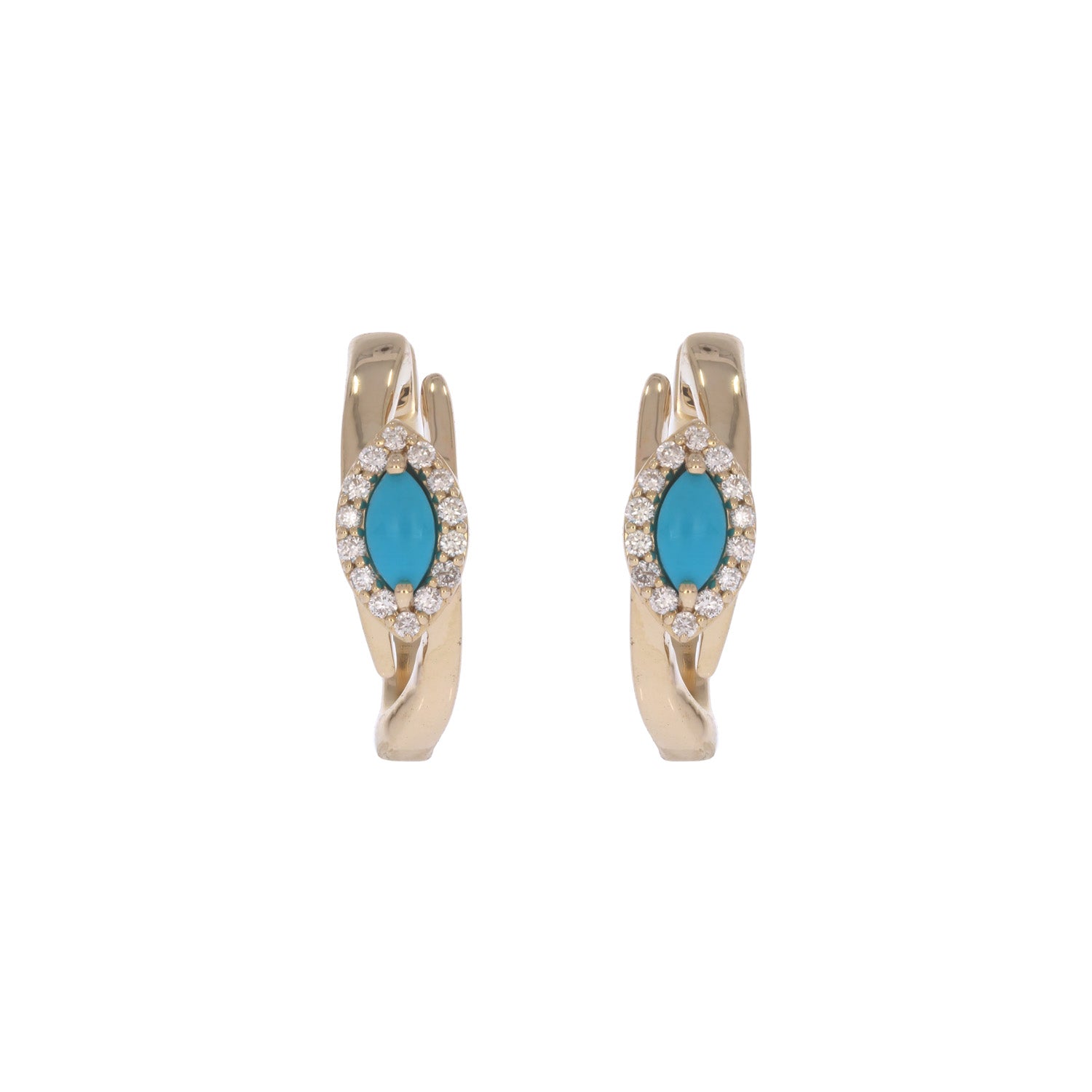

White Gold vs Silver: The Complete Guide to Choosing Your Perfect Metal
Choosing between white gold and silver jewelry feels overwhelming when you want something beautiful that lasts. Both metals shine with that cool, elegant gleam, but they're actually quite different in composition, durability, and price. Understanding the difference between sterling silver and white gold helps you make a smart choice that matches your lifestyle and budget.
What Is White Gold?
 White gold is one of those metals which are not found in nature. It is a metal mix (alloy) made by combining pure yellow gold with white metals. To get that very much desired silvery-white look, jewelers mix gold with any of these metals: palladium, nickel, manganese or zinc.
White Gold Composition Breakdown:
- 14k white gold contains 58.3% pure gold mixed with white alloy metals
- 18k white gold contains 75% pure gold with 25% white metals
- 10k white gold contains 41.7% pure gold and higher alloy content
- Common alloy metals include palladium, nickel, zinc, and silver
- Rhodium plating applied as final coating for brilliant white finish
- Without rhodium plating, white gold appears slightly yellowish or gray
Rhodium plating is the one that should be singled out because, basically, it is the factor that changes the look utterly. It is this thin film that makes the white gold jewelry look like it has been freshly polished and is all bright and shiny with a reflective surface. Besides, the plating contributes to the surface being made more durable and gaining more resistance to scratches. Although, the covering gradually disappears alongside the regular rhodium plating application is necessary if one wants to keep the gorgeous look intact.
What Is Sterling Silver?
 Sterling silver is a naturally occurring precious metal known for its brilliant white luster and exceptional reflectivity. In its pure form, silver is too soft for jewelry, which is why jewelers use sterling silver instead.
Sterling Silver Composition Details:
- Contains 92.5% pure silver and 7.5% other metals (usually copper)
- Marked with "925" stamp to indicate sterling quality
- Copper addition provides necessary strength and durability
- Pure silver (99.9%) too soft for practical jewelry use
- Some sterling silver uses zinc or nickel instead of copper
- Maintains natural silver color without additional plating needed
The 92.5% silver content creates the perfect balance between purity and practicality. This ratio has remained the industry standard for generations because it delivers both beauty and functionality. The small amount of copper doesn't diminish the silver's appearance but dramatically improves its ability to hold shape and resist damage.
What is the Difference Between Sterling Silver and White Gold?
Differences between sterling silver and white gold start with the base materials of their compositions. Silver in the form of sterling silver is 92.5% pure and the remaining 7.5% is copper or other alloys. By using this combination, a strong metal is created which is suitable for everyday jewelry of a kind that still retains the pure silver color.
Comparing white gold and sterling silver is like comparing two different worlds. To make white gold, yellow gold is combined with the white metals like palladium, nickel, or zinc. A 14k white gold item with a 14k mark means that it has 58.3% pure gold mixed with the metals used for whitening. To get that shiny look, jewelers then apply rhodium plating over the surface.
Also Read: 10k vs 14k White Gold: Which Is Better?
Key Composition Differences:
- Sterling silver maintains its natural color without additional plating
- White gold requires rhodium coating for bright white appearance
- Silver is the base metal in sterling silver
- Gold is the base precious metal in white gold
- Sterling silver needs regular polishing to prevent tarnish
- White gold requires periodic replating every few years
The core difference comes down to base materials and how they're processed. Understanding sterling silver and white gold composition helps explain why they behave so differently in daily wear situations.
Understanding the Price Gap
Your wallet notices the difference immediately when comparing these options. Sterling silver rings might cost $50 to $200 for quality pieces, while comparable white gold jewelry starts around $300 and climbs quickly from there.
Price Comparison Breakdown:
- Sterling silver rings typically range from $50 to $200
- White gold rings start around $300 and increase based on design
- Simple sterling silver necklaces cost approximately $100
- Comparable white gold necklaces run $800 or higher
- Gold trades at significantly higher market value than silver
- Labor costs remain similar but material costs differ dramatically
Gold's inherent value drives these price differences. The precious metal market treats gold as a valuable commodity, and that worth transfers directly to your jewelry purchase. When weighing options from a budget perspective, silver trades at a fraction of gold's price per ounce, making it the budget-friendly option.
Honestly, white gold holds its worth better over decades. If you view jewelry as an investment or plan to pass pieces down through generations, white gold offers financial advantages despite the higher upfront cost. This consideration often gets overlooked initially but matters significantly for important purchases.
White Gold Durability
White gold durability stands up remarkably well to daily life. The 14k variety balances durability with gold content beautifully, creating jewelry tough enough for regular wear. The metal resists scratching better than higher karat golds because those alloy metals add hardness.
What Makes White Gold Durable:
- Resists scratching better than sterling silver due to harder alloy composition
- Maintains shape through years of continuous wear
- Ideal for rings and bracelets that face constant contact
- 14k white gold offers optimal balance between purity and strength
- Rhodium plating wears away over time but metal underneath stays strong
- Replating is needed every one to three years depending on wear
- Costs $50 to $150 for professional rhodium replating
The rhodium plating needs attention though. This coating wears away gradually with friction, typically lasting one to three years depending on how often you wear the piece. When the plating thins, you'll notice a slight yellowing as the underlying gold shows through.
The metal underneath stays strong regardless of plating. Even when the rhodium wears thin, your white gold jewelry maintains its structural integrity. This superior durability makes it practical for pieces you wear constantly.
Sterling Silver Durability
Sterling silver's durability brings decent performance to your jewelry box, though it behaves differently. The metal itself is softer, which means it scratches more easily and can bend with enough pressure. Your sterling silver ring might develop a gentle patina over time, showing fine scratches.
How Sterling Silver Performs Over Time:
- Softer than white gold and more prone to surface scratches
- Can bend with significant pressure or impact
- Develops natural patina over time from regular wear
- Tarnishes when exposed to sulfur compounds in the air
- Reacts quickly to lotions, perfumes, and household cleaners
- Tarnish affects only the surface and removed easily with polishing
- Requires more frequent maintenance than white gold
The biggest concern involves tarnishing. Chemical reactions with sulfur in the air create that dark, discolored appearance on the surface. Your beautiful silver necklace can turn grayish or even black if left exposed to air and moisture for extended periods.
A lot of shoppers don't realize that tarnish affects only the surface. A simple polish with a silver cleaning cloth or solution brings back the original shine in minutes. Many people develop quick cleaning routines, wiping their sterling silver pieces after wearing them to prevent tarnish buildup.
Is Sterling Silver Good for Daily Wear?
Absolutely, with proper care. The key lies in understanding its characteristics and adjusting your routine accordingly.
Making Sterling Silver Work Every Day:
- Remove jewelry before showering or swimming to prevent tarnish
- Take off pieces when applying lotions, perfumes, or beauty products
- Store in anti-tarnish pouches or lined jewelry boxes when not wearing
- Keep a polishing cloth handy for quick maintenance touch-ups
- Avoid wearing during household cleaning or harsh chemical exposure
- Perfect for earrings and necklaces worn several times weekly
- Less ideal for rings that never come off your finger
For rings that truly never come off, sterling silver presents challenges. The constant exposure to water, soap, and other substances speeds up tarnishing significantly. If you want a ring you never remove, white gold serves you better. However, for earrings, necklaces, and pieces you wear several times weekly, sterling silver performs beautifully.
Comparing These Two Metals
The answer depends entirely on your priorities and circumstances. Neither metal wins universally because they excel in different areas.
White Gold Makes Sense When:
- You need jewelry requiring minimal daily maintenance
- Investment value matters for long-term ownership
- You're buying engagement rings or wedding bands for constant wear
- Creating heirloom jewelry to pass down through generations
- Your active lifestyle demands superior scratch resistance
- You prefer a set-it-and-forget-it approach to jewelry care
Sterling Silver Works Best When:
- Budget-friendly options help you build diverse collections
- You want affordable ways to experiment with different jewelry styles
- Buying fashion pieces that update seasonally makes sense
- Jewelry gets occasional rather than constant wear
- Lower upfront investment matters for trendy designs
- You actually enjoy maintaining and polishing pieces regularly
Your lifestyle plays a huge role in this decision. Active individuals who work with their hands benefit from white gold's superior scratch resistance. Office workers or those with gentler daily routines find sterling silver perfectly adequate.
Tarnishing Comparison
Yes, sterling silver tarnishes significantly faster under normal conditions. This represents one of the most practical differences between these metals. Sterling silver can show tarnish within weeks if exposed to humid environments or stored improperly.
How Tarnishing Compares:
- Sterling silver shows tarnish within weeks in humid conditions
- White gold maintains appearance for years without darkening
- Silver reacts readily with sulfur compounds in air
- White gold's rhodium plating resists chemical reactions
- Ocean proximity accelerates silver tarnishing dramatically
- Humid climates cause faster silver discoloration
- White gold remains unaffected by environmental conditions
The chemical composition explains this behavior. Sterling silver reacts readily with sulfur compounds in air, resulting in that telltale dark layer. White gold's alloy metals and rhodium plating create barriers against these reactions.
Is White Gold Worth the Higher Price?
This question deserves thoughtful consideration because the answer varies by person. White gold justifies its cost when you value convenience, durability, and long-term ownership.
When White Gold Justifies Its Cost:
- Maintains beauty with minimal daily intervention
- Resists damage from regular wear and tear
- Holds resale value better than sterling silver
- Initial investment spreads over decades of ownership
- Ideal for emotionally significant pieces like engagement rings
- Better choice for pieces containing valuable gemstones
Consider the emotional and practical value too. An engagement ring or significant gift carries meaning beyond its price tag. White gold's resistance to daily wear means these important pieces stay beautiful through decades of memories.
However, if you're buying fashion jewelry you'll replace in a few years anyway, white gold might be overkill. Sterling silver serves perfectly well for trendy pieces that match current styles.
Sterling Silver vs 14K White Gold
The 14k standard offers the sweet spot between purity and practicality. With 58.3% gold content, it provides excellent durability while maintaining precious metal value.
Comparing These Options:
- 14k white gold contains 58.3% pure gold
- Sterling silver contains 92.5% pure silver
- White gold's lower precious metal percentage increases durability
- Silver is naturally softer than gold alloy mixtures
- 14k white gold costs three to five times more than sterling silver
- Both metals are suitable for most jewelry applications
- 14k white gold is better for structural integrity in rings
Sterling silver's 92.5% silver content means you're getting mostly pure silver, but silver itself is softer than gold alloys. This creates an interesting dynamic where the more "pure" metal is actually less durable for jewelry purposes.
White Gold Plated vs Sterling Silver
White gold-plated jewelry features a thin layer of white gold over base metal, offering neither the durability of solid white gold nor the value of sterling silver.
Key Differences:
- White gold plating wears off quickly with regular use
- Sterling silver maintains value throughout its life
- Plated pieces show base metal within months
- Sterling silver can be polished and restored indefinitely
- Solid metals always outlast plated alternatives
Choose sterling silver for better long-term value and quality when comparing these options.
Engagement Ring Considerations
Engagement rings demand special consideration. They symbolize commitment and face constant wear. White gold dominates this category for good reasons.
Why Jewelers Recommend White Gold:
- Withstands constant wear without significant damage
- No tarnishing during important moments or photos
- Maintains structural integrity for secure stone settings
- Requires minimal emergency maintenance
- Better resale value if upgrading later
- Prongs hold diamonds and gemstones more securely
Sterling silver engagement rings exist and cost significantly less. While you can certainly propose with a sterling silver ring, understand the maintenance commitment involved. That ring will need regular polishing and might show wear patterns within the first year.
Consider a compromise if budget limits you. Some couples choose sterling silver for the proposal, planning to upgrade to white gold for the actual wedding bands.
Sterling Silver vs 10K White Gold
This comparison offers another option for budget-conscious shoppers. 10k white gold contains 41.7% pure gold, making it the most affordable white gold option.
10K White Gold Characteristics:
- Contains less gold than 14k or 18k varieties
- More durable due to higher alloy content
- Less expensive than higher karat options
- Still costs more than sterling silver
- Maintains white gold benefits at lower price point
When comparing at entry-level price points, 10k white gold bridges the gap nicely between sterling silver affordability and white gold durability.
Durability Winner
White gold wins this comparison decisively. The gold alloy composition creates a harder surface that resists scratching, bending, and daily wear better than sterling silver.
Durability Factors:
- White gold resists scratching from daily contact
- Sterling silver shows surface wear more quickly
- White gold maintains shape under pressure
- Sterling silver can bend with significant force
- White gold is better for active lifestyles
- Sterling silver is suitable for gentler wear patterns
Caring for Your Jewelry
Both metals benefit from proper care, though their needs differ considerably.
Sterling Silver Care Essentials:
- Clean regularly with a silver polishing cloth or solution
- Store in anti-tarnish pouches or strips
- Remove before showering, swimming, or cleaning
- Wipe down after each wear to prevent buildup
- Avoid contact with perfumes, lotions, and hairspray
- Professional cleaning available for heavily tarnished pieces
White Gold Maintenance Requirements:
- Remove before exposure to harsh chemicals like bleach
- Clean with gentle soap and warm water at home
- Professional cleaning is recommended annually
- Rhodium replating every one to three years as needed
- Store separately to prevent scratching from other jewelry
- More tolerant of daily exposure than sterling silver
Both metals appreciate being stored separately to prevent scratching. Soft pouches or individual compartments in jewelry boxes work perfectly.
Making the choice between white gold vs silver comes down to understanding your needs, budget, and lifestyle. Both metals create stunning jewelry that brings joy to daily life. Consider what matters most to you and choose confidently knowing either option can serve you beautifully for years to come.
Frequently Asked Questions
Which metal is more durable: sterling silver or white gold?
White gold offers superior durability for jewelry purposes. The gold alloy resists scratching and bending better than sterling silver, maintaining its shape through years of daily wear. The alloy metals create a harder surface that withstands impacts and friction better.
Is sterling silver stronger than white gold?
No, white gold is stronger in practical terms. While both metals use alloy additions for strength, white gold's composition creates a harder, more resilient material. Sterling silver bends more easily and scratches with less force.
Is white gold worth buying for everyday jewelry?
White gold makes an excellent investment for everyday jewelry, especially pieces like rings and bracelets that face constant exposure. The durability and low maintenance requirements justify the higher cost over time.
What about plated options versus solid sterling silver?
Sterling silver provides better long-term value and quality than plated options. Plating wears off quickly with regular use, while sterling silver maintains its value throughout its life.
Can you wear sterling silver and white gold together?
Absolutely! Mixing these metals creates interesting jewelry combinations since both share similar cool tones. Many people successfully layer necklaces or stack rings in both metals for a sophisticated look.
How do I identify my jewelry metal?
Check for stamps inside rings or on clasps. Sterling silver shows "925" or "Sterling" marks, while white gold displays karat markings like "14K" or "18K." Weight offers clues too, since gold is significantly heavier than silver.
Does sterling silver turn your finger green?
Quality sterling silver rarely causes green discoloration. If your finger turns green, it typically indicates either a plated piece with copper showing through or a reaction with your skin chemistry. The green color usually signals lower-quality metal.