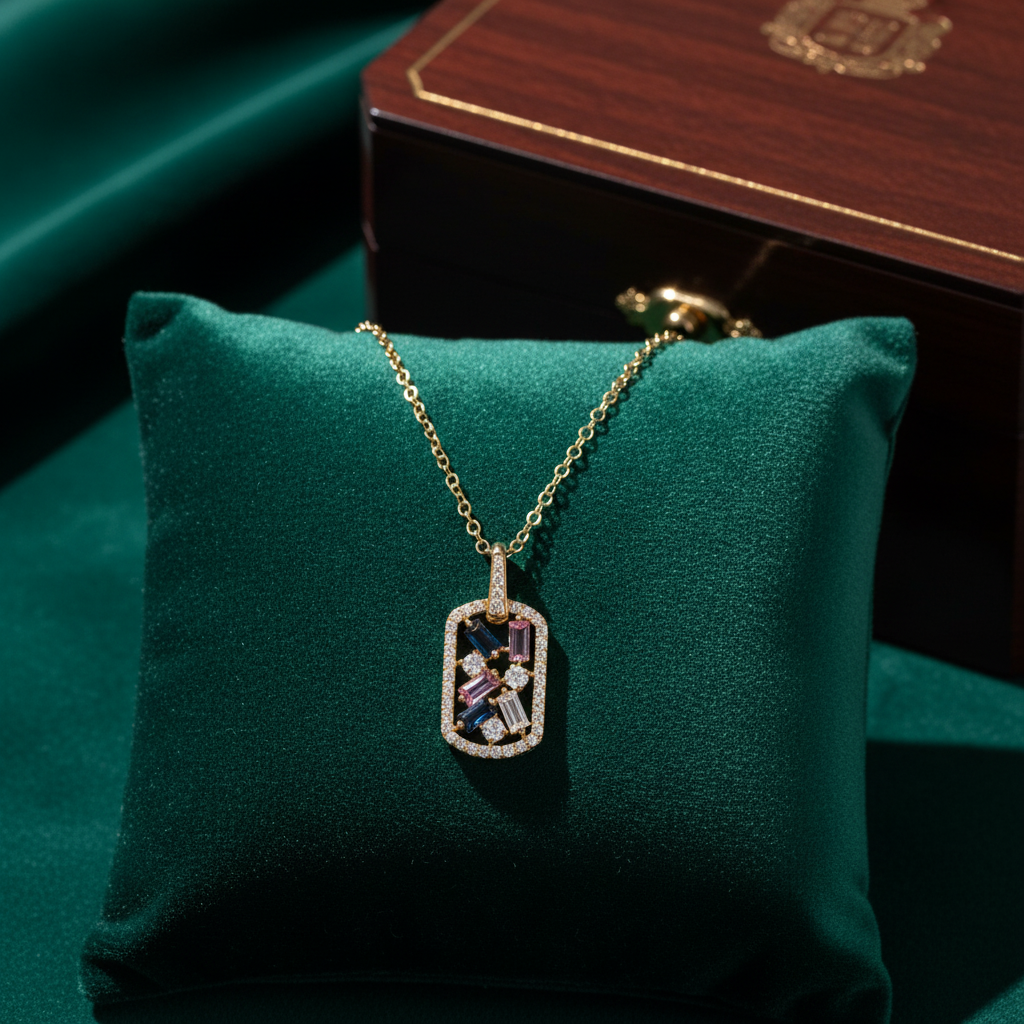


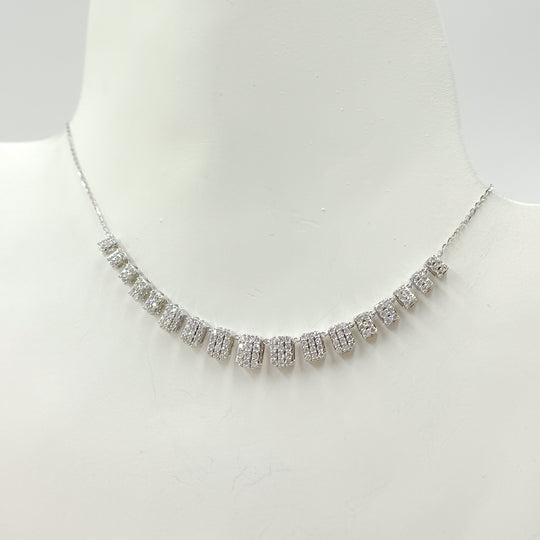
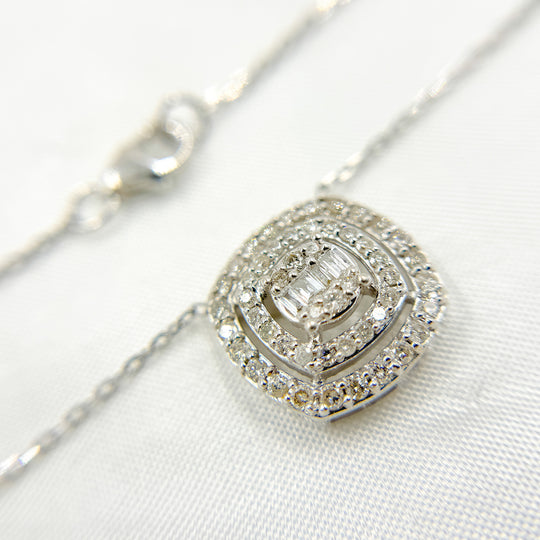
Gold jewelry has always held a special place in human culture. It is not just a fashion accessory, but a symbol of value, celebration, emotion and long-term investment. From ancient civilizations to modern lifestyles, gold continues to be one of the most trusted and desired materials in jewelry making.
However, when it comes to buying gold jewelry today, most people are no longer confused about whether to buy gold, but which type of gold is best for jewelry. White gold, yellow gold and rose gold may all be made from gold, yet they behave very differently in real-life use.
Many buyers select gold jewelry based only on appearance or trend, without understanding how that choice affects durability, comfort, maintenance, price and long-term satisfaction. This is why the comparison of white gold vs yellow gold vs rose gold has become one of the most searched topics in the jewelry world.
This article will assist you in making a sensible, knowledgeable and assured choice if you intend to purchase a white gold chain, white gold rings, yellow gold necklace, yellow gold earrings for women or rose gold rings for women.
Why Understanding Gold Types Is Important Before Buying Jewelry
Gold jewelry is often purchased for long-term use. Unlike fast fashion accessories, gold pieces are worn for years, sometimes passed down across generations. A wrong decision can lead to unnecessary maintenance costs, discomfort, skin issues or dissatisfaction after regular use.
Many buyers later realize that:
-
Their white gold jewelry requires frequent polishing
-
Their yellow gold scratches easily
-
Their rose gold feels different on the skin
These issues are not defects. They are natural characteristics of different gold alloys. Understanding them beforehand helps you choose the right gold for your lifestyle, budget and expectations.
Types of Gold Jewelry: What Gold Jewelry Is Actually Made Of
Pure gold, also known as 24K gold, is naturally yellow and extremely soft. While it looks beautiful, it bends, scratches and deforms very easily. This is why pure gold is rarely used in modern jewelry meant for daily wear.
To make gold wearable, jewelers mix pure gold with other metals. This mixture is called an alloy. The type and amount of metal added determine the final color, strength and behavior of the jewelry.
Common Gold Purities Used in Jewelry
14K Gold
-
Contains 58.5% pure gold
-
Stronger and more durable
-
Ideal for daily wear jewelry
-
Commonly used in chains, rings and earrings
18K Gold
-
Contains 75% pure gold
-
Richer color and more luxurious feel
-
Slightly softer than 14K
-
Preferred for premium and occasion jewelry
Both 14K and 18K gold are used to create white gold, yellow gold and rose gold.
White Gold: Composition, Appearance and Real-Life Experience
What Is White Gold?
Pure gold is combined with white metals like nickel, palladium or silver to produce white gold. Most 14k white gold and 18k white gold jewelry is then coated with rhodium, a bright white metal from the platinum family.
This rhodium plating gives white gold its signature bright, mirror-like appearance.
White gold is widely used for:
-
White gold chain designs
-
White gold rings
-
White gold earrings
-
Diamond and gemstone settings
How White Gold Behaves Over Time
When new, white gold looks extremely shiny and polished. However, rhodium plating is a surface layer, not a permanent color. Over time, especially with daily wear, this plating slowly wears off.
As the plating fades, the natural slightly yellow tone of the gold alloy underneath begins to show. This is completely normal and expected.
White Gold Pros
Modern and Elegant Appearance
White gold has a clean, contemporary look. It is popular for engagement rings and high-end designs since it works so well with diamonds and colorless gemstones.
Strong Alloy Structure
Compared to pure gold, white gold is significantly stronger. This makes it suitable for everyday jewelry like chains and rings.
Versatile Styling
White gold matches almost all outfit colors and styles, making it easy to wear daily.
White Gold Cons
Regular Maintenance Required
White gold requires periodic rhodium re-plating to maintain its white color and shine.
Skin Sensitivity
Some white gold alloys contain nickel, which may cause irritation for sensitive skin.
Long-Term Cost
Although the initial white gold price may seem reasonable, maintenance costs add up over time.
Yellow Gold: Traditional, Timeless and Practical

What Is Yellow Gold?
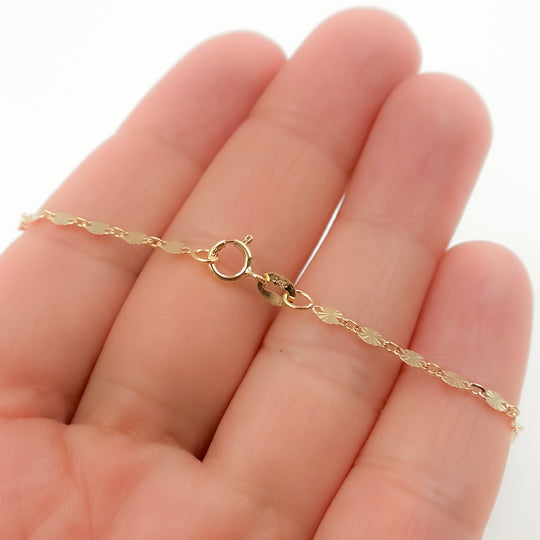
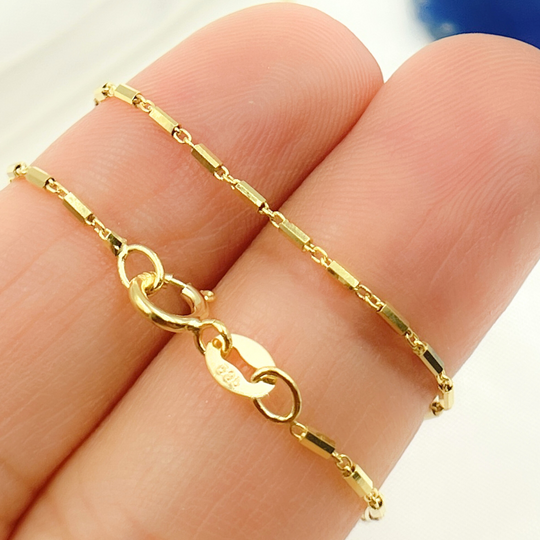
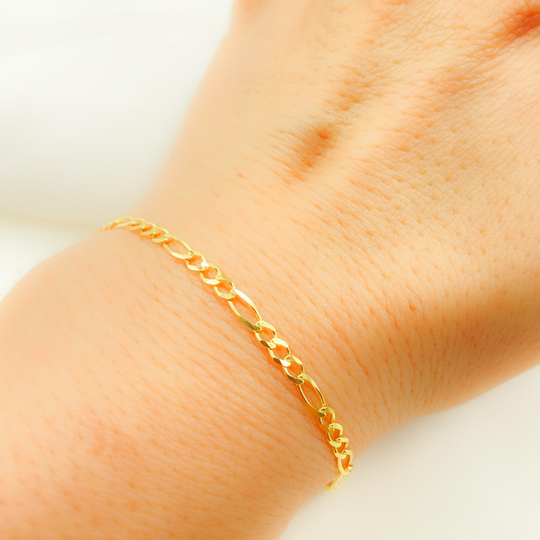
Yellow gold is made by mixing pure gold with copper and zinc while maintaining its natural yellow color. It is the closest to the color of pure gold and has been used in jewelry for thousands of years.
18k yellow gold is often used for premium jewelry, while 14K yellow gold is common in everyday pieces such as:
-
Yellow gold chains for womens
-
Yellow gold earrings for women
-
Yellow gold necklace designs
Why Yellow Gold Has Never Gone Out of Style
Yellow gold carries cultural, emotional and historical value. It is associated with tradition, wealth and longevity. Unlike trend-based metals, yellow gold has remained relevant across generations.
Yellow Gold Pros
Timeless Appeal
Yellow gold never looks outdated. It suits both traditional and modern designs.
Low Maintenance
Unlike white gold, yellow gold does not require plating or special surface treatment.
Skin-Friendly
High-purity yellow gold is gentle on sensitive skin and rarely causes irritation.
Yellow Gold Cons
Softer Than Other Gold Types
Yellow gold scratches more easily, especially in higher purities like 18K.
Not Always Trendy
Some buyers prefer modern or unconventional tones over classic yellow.
Rose Gold: Strength, Warmth and Modern Appeal
What Is Rose Gold?
Rose gold is created by mixing gold with copper. The copper content gives rose gold its pink or blush tone. The higher the copper content, the deeper the color.
-
Rose gold chain designs
-
Rose gold earrings
-
Rose gold rings for women
Why Rose Gold Became Popular
Rose gold offers a balance between tradition and modern design. It feels warm, unique and slightly unconventional without being too bold.
Rose Gold Pros
Excellent Durability
Copper makes rose gold one of the strongest gold alloys, often outperforming white and yellow gold in durability.
Low Maintenance
Rose gold does not require plating and retains its color naturally.
Flatters Most Skin Tones
The warm tone of rose gold complements a wide range of skin tones.
Rose Gold Cons
Copper Sensitivity
Some people with sensitive skin may experience irritation due to copper content.
Trend Dependency
Although popular now, some buyers worry about long-term trend relevance.
White Gold vs Yellow Gold vs Rose Gold: Detailed Comparison
|
Feature |
White Gold |
Yellow Gold |
Rose Gold |
|
Color |
Bright white |
Classic yellow |
Pink/rose |
|
Durability |
High |
Medium |
Very high |
|
Maintenance |
High |
Low |
Low |
|
Skin Comfort |
Medium |
High |
Medium |
|
Style Appeal |
Modern |
Timeless |
Contemporary |
Price Comparison: What Costs More in the Long Run?
White Gold Price
White gold usually costs slightly less than yellow gold initially. However, rhodium plating and maintenance increase the lifetime cost.
Yellow Gold Price
Yellow gold reflects the actual gold value more accurately. 18k yellow gold is more expensive due to higher gold content.
Rose Gold Price
Rose gold is often the most affordable because copper is less expensive than other alloy metals.
In yellow gold vs white gold price, the long-term difference becomes noticeable after several years.
Which Gold Is Best for Jewelry?
There is no single best gold for everyone. The right choice depends on:
-
Lifestyle
-
Skin sensitivity
-
Maintenance preference
-
Design taste
White gold jewelry is best for modern aesthetics.
Yellow gold jewelry is ideal for tradition and comfort.
Rose gold jewelry offers durability and uniqueness.
Best Gold Choice by Jewelry Type
Chains
-
White gold chain - sleek but needs care
-
Yellow gold necklace - durable and timeless
-
Rose gold chain - strongest and modern
Earrings
-
White gold earrings - elegant and refined
-
Yellow gold earrings for women - comfortable daily wear
-
Rose gold earrings - trendy and lightweight
Rings
-
White gold rings - engagement and statement styles
-
Rose gold rings for women - romantic and durable
-
Yellow gold rings - wedding and heirloom jewelry
14K vs 18K Gold: Which Should You Choose?
14k white gold
-
Stronger
-
Better for daily wear
-
Slightly lighter color
18k yellow gold
-
Richer color
-
More luxurious
-
Slightly softer
Daily wear = 14K
Occasional luxury wear = 18K
Final Expert Conclusion
Choosing between white gold, yellow gold and rose gold is about more than just looks. Each gold type has its own strengths, maintenance needs and long-term behavior. White gold suits modern designs but requires regular care, yellow gold offers timeless appeal with minimal maintenance and rose gold stands out for its durability and unique warmth.
There is no single “best” option for everyone. The right choice depends on your lifestyle, comfort and how often you plan to wear the jewelry. When you understand these differences, you can confidently choose gold jewelry that not only looks beautiful today but also remains comfortable and valuable for years to come.
FAQs
1. Which gold is best for everyday jewelry – white, yellow or rose gold?
For everyday wear, durability and low maintenance matter the most. Rose gold is usually the strongest due to copper content, while yellow gold is comfortable and easy to maintain. White gold looks modern but requires periodic rhodium re-plating over time.
2. Does white gold lose its color over time?
White gold does not lose its color, but the rhodium plating on the surface wears off gradually. When this happens, the jewelry may appear slightly yellowish and needs re-plating to restore its bright white finish.
3. Why is white gold sometimes more expensive than yellow gold?
The base gold value is similar, but white gold often costs more due to rhodium plating and additional finishing. Over time, maintenance costs like re-plating can also increase the overall expense.
4. Is yellow gold better for sensitive skin?
Yes, yellow gold especially higher purities like 18K is generally more skin-friendly. It contains fewer reactive metals, making it a good choice for people with sensitive skin or metal allergies.
5. How durable is rose gold compared to white gold?
Rose gold is often more durable than white gold because of its higher copper content. This makes it less prone to bending or scratching, especially for rings and daily-wear jewelry.
6. Which gold color holds its value better in the long run?
Yellow gold usually holds value best because its price closely reflects pure gold content. White gold resale value may be affected by plating wear, while rose gold value depends slightly on current fashion trends.
7. Is 14K gold better than 18K gold for daily wear?
For daily use, 14K gold is usually the better option because it is stronger and more resistant to scratches. 18K gold has a richer color but is softer and better suited for occasional wear.