
Which Gold Karat Should You Actually Buy: 14K, 18K, or 24K?
Gold jewelry is one of the most misunderstood purchases people make. Most buyers walk into a store knowing they want gold but have no idea what the karat number actually means for their life. They pick based on price or what the salesperson pushes. That usually leads to regret.
This guide on 14K vs 18K vs 24K gold breaks down the real differences — durability, purity, price, skin compatibility, and long-term value. By the end, you will know exactly which karat suits your needs, your lifestyle, and your budget.
What Do Gold Karats Actually Mean?
Karat measures the purity of gold. Pure gold is 24 karats. Everything below that is an alloy — gold mixed with other metals like silver, copper, zinc, or palladium.
Here is how the math works:
- 24K gold = 99.9% pure gold
- 18K gold = 75% pure gold (18 out of 24 parts)
- 14K gold = 58.3% pure gold (14 out of 24 parts)
- 10K gold = 41.7% pure gold (the legal minimum to be called gold in the US)
The other percentage is alloy metals. Those alloys are not fillers. They change the color, strength, and price of the piece. They also determine how well the jewelry holds up over years of daily wear.
Higher karat does not automatically mean better jewelry. It depends entirely on what you are buying it for.
14K vs 18K vs 24K Gold: A Side-by-Side Comparison
|
Feature |
14K Gold |
18K Gold |
24K Gold |
|
Gold Purity |
58.3% |
75% |
99.9% |
|
Durability |
Excellent |
Good |
Poor |
|
Tarnish Resistance |
High |
High |
Very High |
|
Price (per gram, approx.) |
Low |
Medium |
Highest |
|
Hypoallergenic |
Sometimes |
Usually |
Yes |
|
Best For |
Everyday jewelry |
Fine jewelry / engagement rings |
Bullion/investment coins |
|
Color |
Slightly muted |
Rich yellow |
Deep vivid yellow |
|
Availability |
Very common |
Common |
Limited in jewelry |
14K Gold: The Everyday Workhorse
14K gold is the most popular karat in the United States. Roughly 90% of gold jewelry sold in the US is 14K. That number alone tells you something important.
The reason is simple. 14K gold is durable. Because it contains more alloy metals, it resists scratches and dents better than higher-karat options. It holds up during daily wear in a way that 18K and 24K simply cannot match.
It is also the most affordable of the three. You get real gold without paying the premium for purity you might not even need.
What Are the Downsides of 14K Gold?
The alloy content cuts both ways. More alloy means more exposure to metals like copper and nickel. For people with sensitive skin or nickel allergies, 14K gold can cause reactions — especially in white gold, which often uses nickel as a whitening agent.
The color is slightly less saturated than 18K. If you place them side by side, you will notice 18K yellow gold has a richer, deeper tone. Most people would not notice on their own wrist.
Over time, 14K pieces can also discolor slightly in areas with heavy contact. This is rare with quality pieces but worth knowing.
Who Should Buy 14K Gold?
14K gold is the right call if:
- You wear jewelry every day, including during physical activity
- You work with your hands
- You want real gold at a reasonable price point
- You are buying a ring or bracelet that takes daily abuse
- You are shopping for children's jewelry
Jewelers often recommend 14K for engagement rings specifically because the stones stay more secure in harder, stronger settings.
Also Read: What is 14K Gold? 10K vs 14K vs 18K Gold Comparison Guide
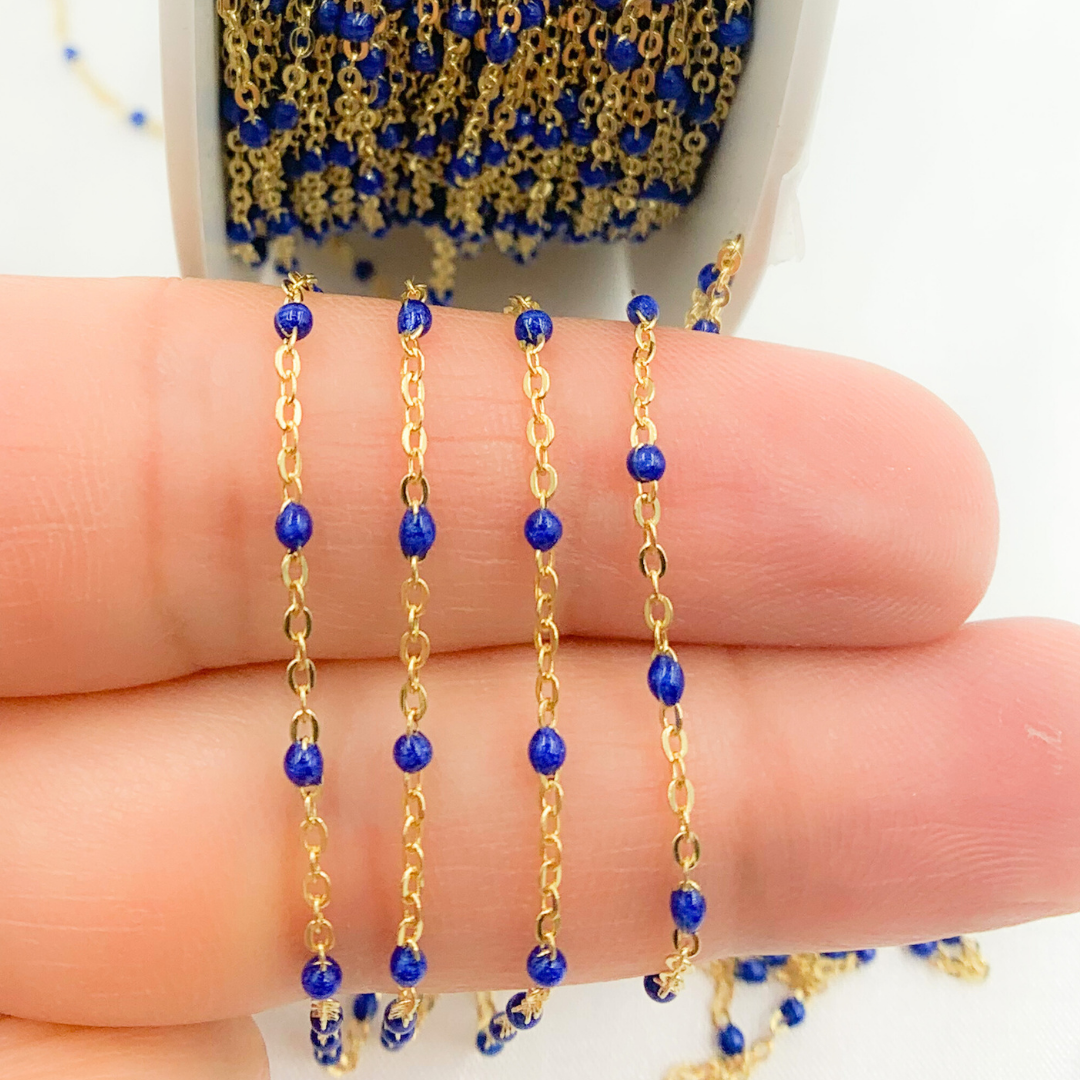
18K Gold: The Fine Jewelry Standard
18K gold is where the look of gold really comes alive. At 75% purity, it has a noticeably richer color. That warm, deep yellow is what most people picture when they think of luxury gold jewelry.
Europe favors 18K the way the US favors 14K. Walk into a high-end jeweler in Italy, France, or the UK and 18K is the standard, not the exception.
It is also a better choice for people with sensitive skin. The lower alloy content reduces exposure to reactive metals. Most 18K yellow gold pieces are considered safe even for those with mild metal sensitivities.
What Are the Downsides of 18K Gold?
Softness is the main trade-off. 18K gold scratches more easily than 14K. Prongs on rings can wear down faster. Over years of hard daily wear, you will see the difference.
It is also noticeably more expensive. An 18K piece can cost 20 to 30% more than a comparable 14K piece, purely because of the higher gold content.
For buyers who are rough on their jewelry, paying more for a piece that wears faster does not always make sense.
Who Should Buy 18K Gold?
18K gold is the right choice if:
- You want richer color and are willing to pay for it
- You have a nickel allergy or sensitive skin
- You are buying a necklace or earrings (lower wear and tear)
- You want fine jewelry for special occasions
- You prefer European-standard quality
18K is also a strong option for engagement rings if the wearer is gentle with their hands and prioritizes appearance over durability.
Also Read: 10K vs 14K vs 18K vs 24K Gold Comparison
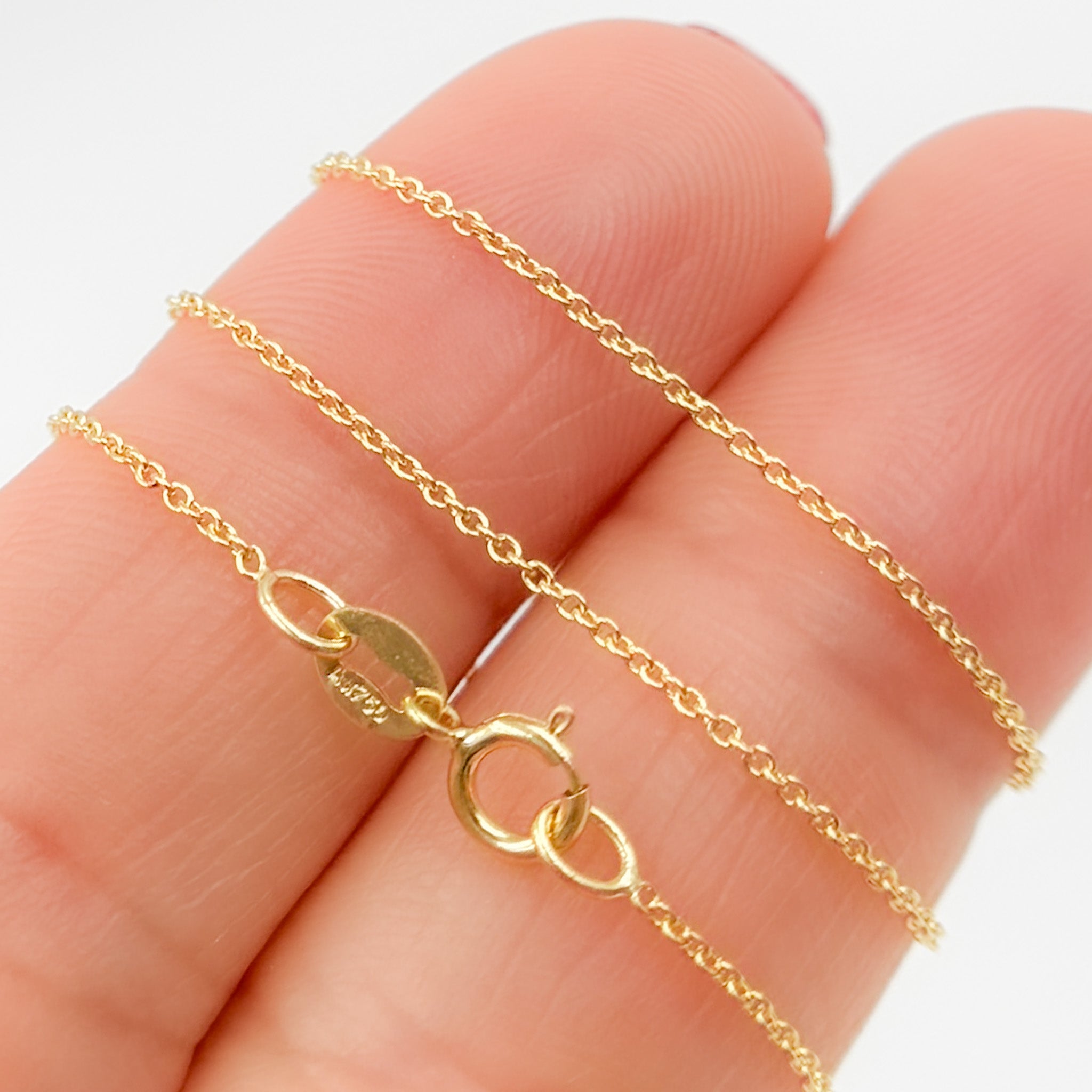
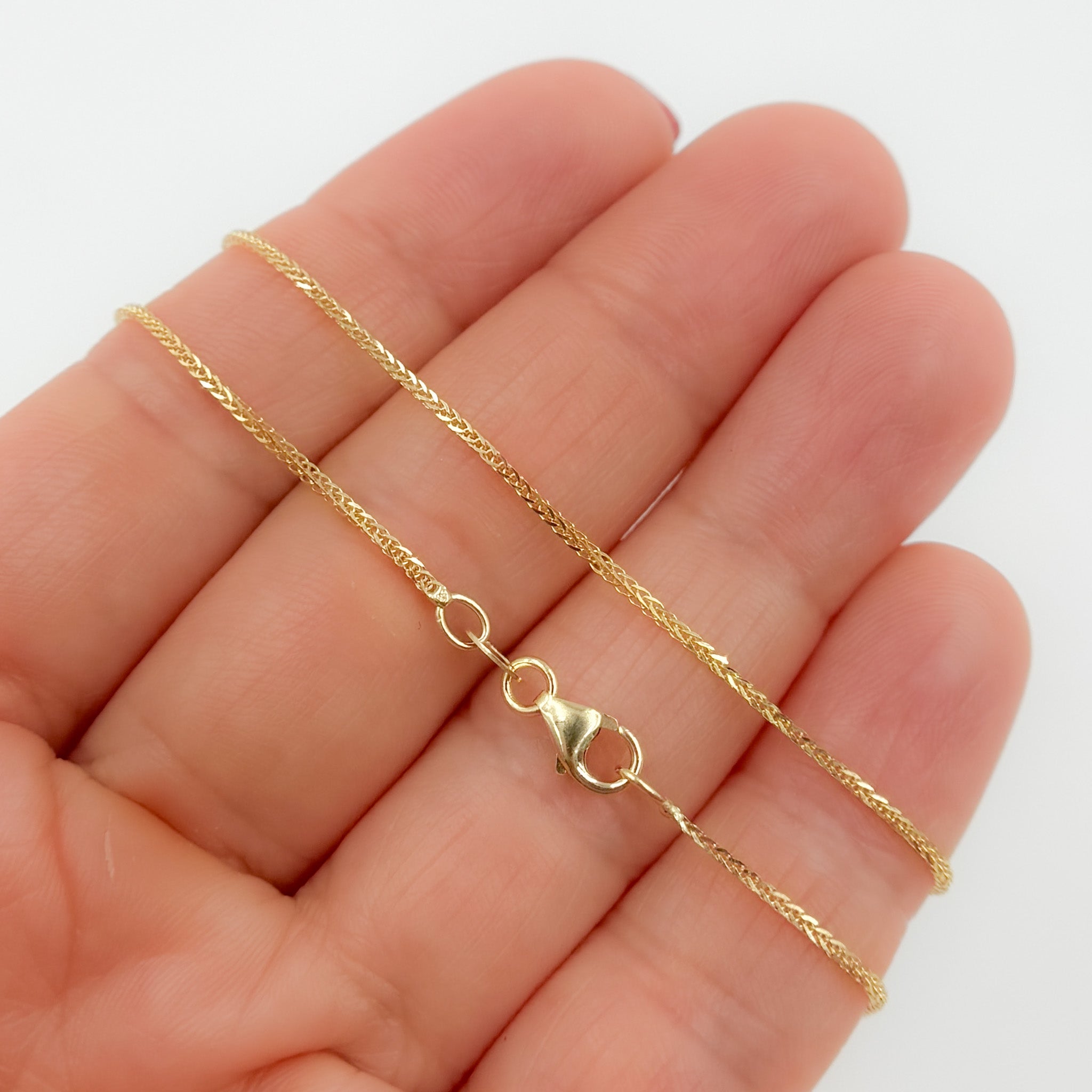
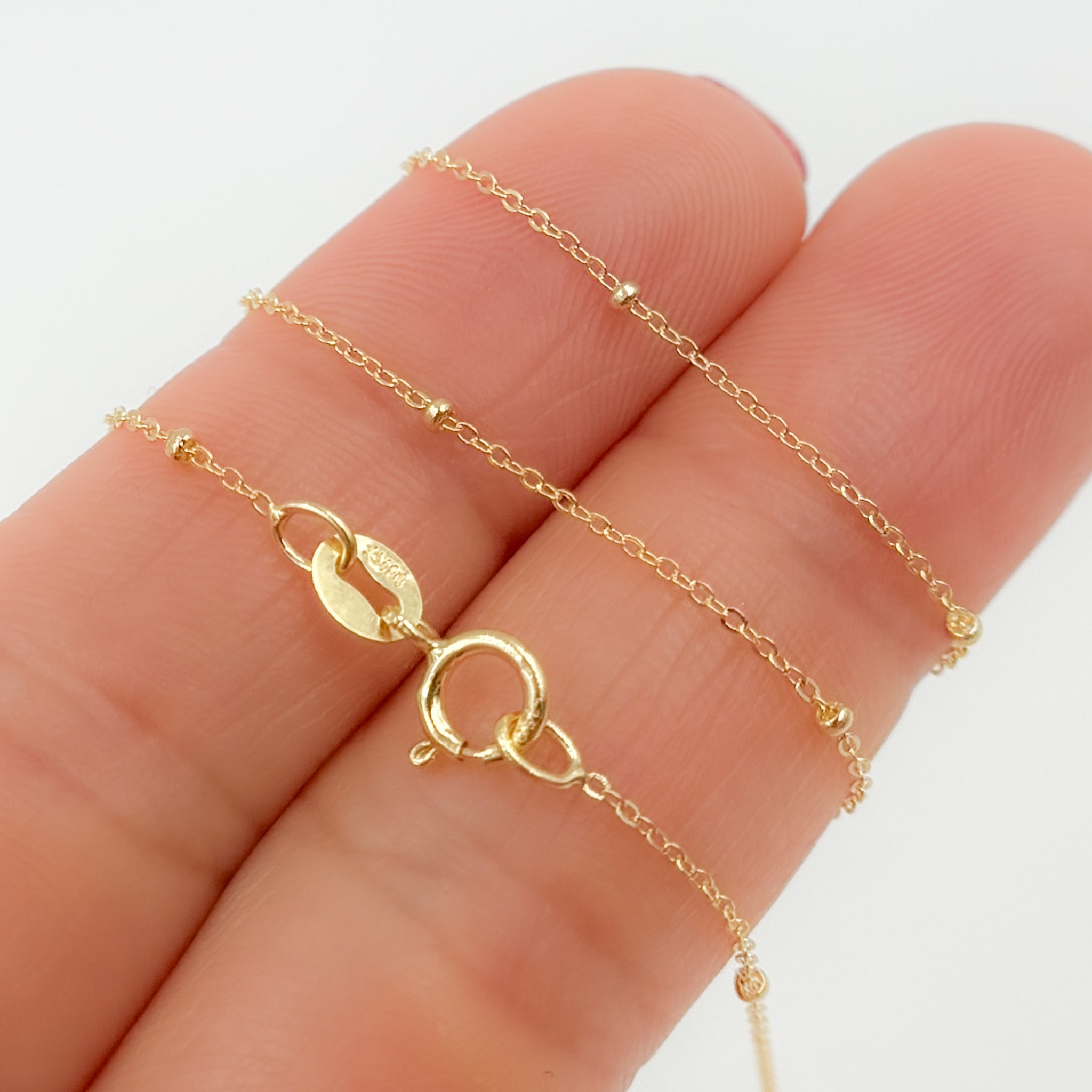
24K Gold: Pure, But Rarely Practical
24K gold is 99.9% pure gold. There is almost no alloy content. That means the color is unmistakable — a deep, vivid yellow that no lower-karat gold can replicate. It also means it is hypoallergenic by default since there are no reactive alloys to worry about.
So why does almost nobody wear 24K gold jewelry?
Because pure gold is extremely soft. On the Mohs hardness scale, gold sits at around 2.5. A fingernail is 2.5. That tells you everything you need to know about how it holds up to daily life.
A 24K gold ring will scratch within days of normal wear. Prongs holding gemstones will bend. Chains will break more easily. The metal just lacks the structural integrity that alloys provide.
Where 24K Gold Actually Makes Sense
24K gold is not useless. It is just used differently:
- Gold bullion bars and coins: Most investment-grade gold products are 24K. The London Bullion Market Association sets the standard at 99.5% purity minimum for good delivery bars.
- Gold plating: 24K is often used as the plating layer in gold-plated products because of its color and resistance to tarnish.
- Certain cultural jewelry: In India and parts of Southeast Asia, 24K gold jewelry is traditional for weddings and religious occasions. It is worn briefly and stored as an asset, not as an everyday piece.
- Medical and dental applications: 24K gold's biocompatibility makes it useful in dentistry and some medical devices.
Who Should Buy 24K Gold?
Buy 24K gold if:
- You are investing in physical gold as an asset
- You want cultural or ceremonial jewelry worn occasionally
- You are collecting bullion coins like the American Gold Eagle or South African Krugerrand
Do not buy 24K gold for rings, bracelets, or anything you plan to wear daily. It will not last.
Does Higher Karat Mean Better Gold?
No. This is one of the most common misconceptions in jewelry buying.
Higher karat means higher purity. That is all. Whether that is better depends entirely on the context.
For investment purposes, higher karat wins. A 24K bar holds more gold content per ounce.
For wearable jewelry, durability matters more than purity. A 14K engagement ring will outlast an 18K ring under hard daily use. A 24K ring is not practical jewelry at all.
Think of it this way. A hospital-grade stainless steel scalpel is not better than a 24K gold scalpel because of the material. It is better because the material suits the job. Same principle applies here.
Which Gold Karat Is Best for an Engagement Ring?
This is the most-asked question in the 14K vs 18K gold debate. The answer depends on lifestyle.
Choose 14K if:
- The wearer is active or works with their hands
- You want maximum durability for the setting holding your stone
- Budget is a real consideration
Choose 18K if:
- The wearer is careful with jewelry
- You want richer color and are willing to maintain the ring with occasional polishing
- Skin sensitivity is a concern
Most jewelers in the US recommend 14K for engagement rings as a default. But many buyers in Europe and among luxury buyers opt for 18K because of the color quality and traditional preference.
Avoid 24K for engagement rings entirely. The setting will not hold stones securely.
Which Gold Karat Holds Its Value Best?
This is a different question from which is best for jewelry. For resale and intrinsic value, higher purity wins.
24K gold holds the most raw gold value by weight. When spot gold prices rise, 24K pieces gain value proportionally. Jewelers and gold buyers pay based on gold content, not design.
However, fine jewelry does not always resell at melt value. Branded or antique 18K pieces sometimes fetch more than their melt value because of craftsmanship or provenance.
14K gold has the lowest gold content of the three. At resale, a 14K piece will fetch less per gram than 18K or 24K. That does not make it a bad purchase. It just means you are buying it to wear, not to resell.
If your primary goal is preserving wealth in gold, buy 24K bullion coins or bars. Do not buy jewelry as an investment vehicle.
Gold Karat and Skin Sensitivity: What You Need to Know
Gold itself is hypoallergenic. The metal that causes reactions is almost always one of the alloys mixed in.
Nickel is the most common culprit. It is used frequently in white gold alloys to achieve that silvery color. Some people react to even trace amounts.
Copper causes greenish discoloration on skin for some people, especially in humid conditions. This is harmless but alarming if you are not expecting it.
Here is how karat affects sensitivity:
- 24K: No alloys, fully hypoallergenic
- 18K: Low alloy content, generally safe for sensitive skin, especially in yellow gold
- 14K: Higher alloy content, possible reactions in nickel-sensitive individuals, particularly in white gold
If you have a metal allergy, ask specifically about the alloy composition before buying. White gold 14K pieces are the riskiest option for sensitive skin. Yellow gold 18K is a much safer bet.
14K vs 18K vs 24K: How to Read the Hallmarks
Every legitimate piece of gold jewelry is stamped with a hallmark. Knowing how to read it protects you from overpaying or getting misled.
US Karat stamps:
- 14K, 585 (58.5% gold)
- 18K, 750 (75% gold)
- 24K, 999 (99.9% gold)
European stamps use millesimal fineness — a three-digit number representing parts per thousand. 750 means 750 out of 1000 parts are gold, which is 18K.
Always look for the hallmark before buying. Reputable sellers will have it stamped on the piece. No hallmark is a red flag.
Price Difference: How Much More Does Each Karat Cost?
Gold prices fluctuate daily based on spot market rates. But the ratio between karats stays fairly consistent.
As a rough guide, if a 14K gold ring costs $500:
- The same ring in 18K would cost approximately $600 to $650
- The same ring in 24K (if available as wearable jewelry) would cost significantly more
The price difference is purely proportional to gold content, assuming similar weight and design.
Where it gets more complicated is in designer or branded jewelry. A Cartier or Tiffany piece in 18K does not cost 20% more than a generic 18K piece. Brand markup is far larger than karat markup.
Buy from reputable independent jewelers if your goal is value for money per karat.
14K vs 18K Gold for Different Jewelry Types
Not all jewelry is created equal. The karat you need for a ring is not necessarily what you need for a necklace or earrings.
Rings take the most punishment. They scrape against surfaces, get submerged in water, and are worn constantly. 14K is the standard recommendation for rings, especially those with stone settings. Prongs in harder alloys hold stones more securely over time.
Necklaces and chains have less contact stress. 18K is perfectly reasonable here. You get the richer color without worrying as much about scratch resistance.
Earrings are the safest category for 18K or even higher-purity gold. They rarely contact hard surfaces and are often removed before sleep. If you have nickel sensitivity, earrings in 18K yellow gold are one of the safest options available.
Bracelets fall somewhere in between. A delicate chain bracelet is lower risk. A bangle worn daily will take more abuse. Go with 14K for bangles you plan to wear constantly.
Children's jewelry should almost always be 14K. Kids are rough on everything and a softer, more expensive piece is not practical for that age group.
What About Gold Plating and Gold Filled Jewelry?
Many buyers get confused between solid gold karats and gold-plated or gold-filled alternatives. These are very different products.
Gold-plated jewelry has a thin layer of gold over a base metal like brass or copper. It looks like gold but the layer is typically less than 0.5 microns thick. It wears off with time and can expose the base metal, which sometimes causes skin reactions.
Gold-filled jewelry has a much thicker gold layer, usually 5% of the item's total weight by law in the US. It is more durable than plating and can last years with proper care. It is not solid gold but it is a legitimate and affordable alternative.
Vermeil is sterling silver with a gold plating layer of at least 2.5 microns. It is regulated by the Federal Trade Commission and higher quality than standard plating.
None of these alternatives hold resale value the way solid gold does. If resale or long-term durability matters to you, stick to solid 14K or 18K.
The Bottom Line: Which Gold Should You Buy?
14K vs 18K vs 24K gold each has a clear use case.
Buy 14K gold if you want durable everyday jewelry that holds up to an active lifestyle without breaking the budget. It is the smart default for rings and bracelets.
Buy 18K gold if you want richer color, have sensitive skin, or are purchasing fine jewelry worn occasionally. It is the standard in European luxury markets for good reason.
Buy 24K gold if you are investing in physical gold or purchasing ceremonial pieces. Do not buy it for daily wearable jewelry.
The karat you choose should match how you live, not just what looks good in a display case. Think about where you will wear it, how often, and what you want from it long-term.
If you are still undecided between 14K vs 18K gold, start with 14K. It is the safer, more practical choice for most people. You can always add an 18K statement piece later once you know what works for you.
Gold is a long-term purchase. Take the time to get the karat right, and you will not regret it.
Where You Buy Matters as Much as Karat
You can buy the right karat and still get burned by a bad purchase. Where you buy matters.
Reputable independent jewelers often offer better value than large retail chains. They are more transparent about alloy composition and craftsmanship.
Online retailers like James Allen, Blue Nile, and Brilliant Earth provide certificates and detailed specs. Useful if you know exactly what you want.
Big box retail (think department stores) prioritizes markup over education. Salespeople are often commission-driven.
International gold markets in places like Dubai, India, and Thailand sell gold at or near spot price with lower markups. Travelers sometimes buy fine jewelry abroad for this reason.
Always ask for:
- The karat and hallmark confirmation
- The alloy composition (especially for white gold)
- A certificate for diamonds or stones
- The return and resizing policy
FAQs: 14K vs 18K vs 24K Gold
Q: Is 14K gold real gold?
Yes. 14K gold is 58.3% pure gold. It is legally recognized as real gold in the United States and most other countries. The rest is alloy metals that add strength and durability.
Q: Which karat gold is best for everyday wear?
14K gold is best for everyday wear. It is harder and more scratch-resistant than 18K or 24K, making it better suited to rings, bracelets, and other jewelry exposed to daily friction.
Q: Does 18K gold tarnish?
18K gold does not tarnish in the traditional sense but can show minor surface oxidation over time, especially on areas of heavy contact. Regular cleaning with a soft cloth keeps it looking fresh.
Q: Is 24K gold jewelry worth buying?
For wearable jewelry, no. 24K gold is too soft for practical use. It scratches easily and holds gemstones poorly. It makes sense for bullion investment or cultural ceremonial pieces worn occasionally.
Q: Can 14K gold cause skin reactions?
It can, depending on the alloy content. White 14K gold often contains nickel, which is a common allergen. Yellow 14K gold is less likely to cause reactions. If you have known metal allergies, opt for 18K yellow gold or consult a jeweler about the specific alloy used.
Q: Which is more expensive, 14K or 18K gold?
18K gold is more expensive because it contains more pure gold. The price difference is typically 20 to 30% for comparable pieces of the same weight and design.
Q: What is the most popular gold karat in the US?
14K gold is by far the most popular karat in the US, accounting for the majority of gold jewelry sold. It balances affordability and durability in a way that suits most buyers.
Q: Is gold-filled jewelry the same as solid gold?
No. Gold-filled jewelry has a thick bonded layer of gold over a base metal. It is more durable than plated jewelry but it is not solid gold. It will not hold resale value the same way a solid 14K or 18K piece will.