
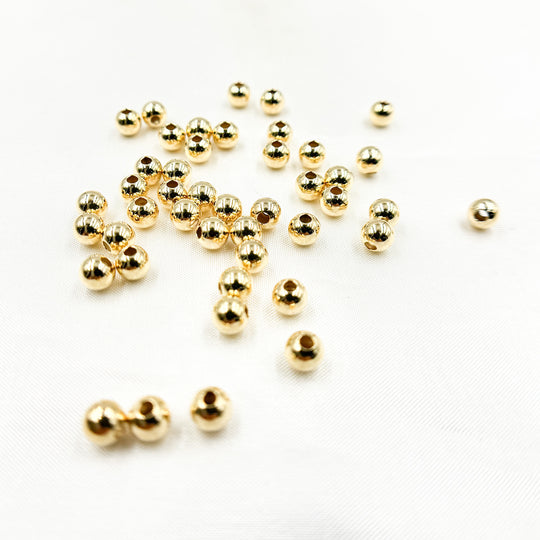
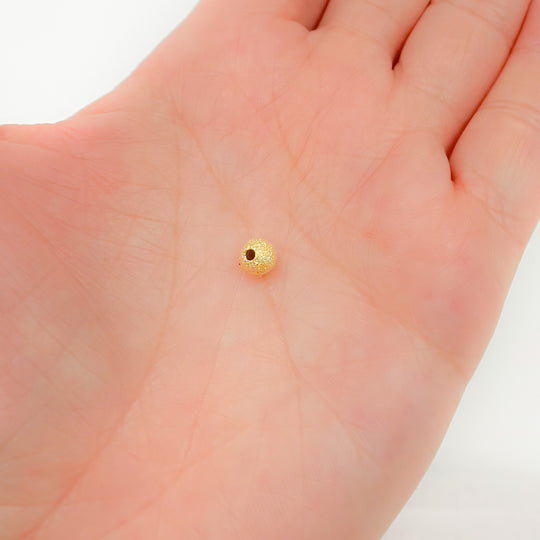
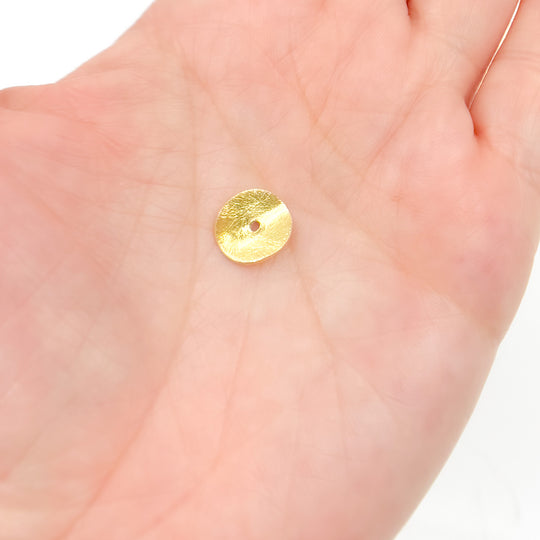
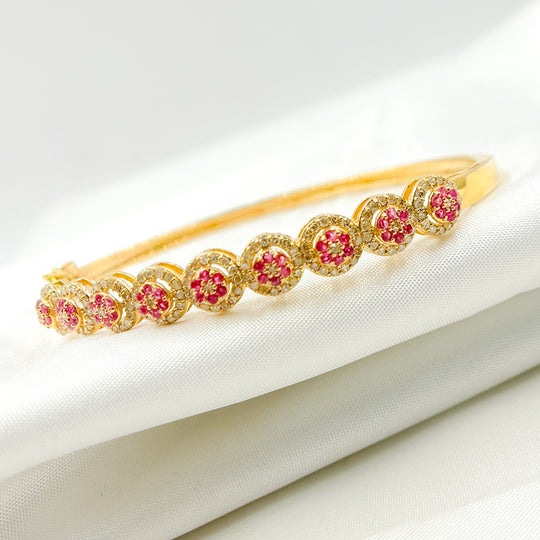
If you ask ten people what makes good jewelry, most will say design or color. Very few talk about beads themselves. That is usually because people only start noticing bead quality after something goes wrong a bracelet stretches out in two weeks, a necklace feels heavy by afternoon or waist beads start irritating the skin.
Beads are not just decoration. They decide how jewelry behaves on the body. Once you understand this, jewelry making stops feeling confusing and starts feeling intentional.
This part of the guide focuses on the basics: what beads actually work, especially if you are making bracelets, necklaces or waist beads whether for yourself or for others.
Types of Beads for Jewelry Making (What No One Explains Properly)
When people talk about types of beads for jewelry, they usually list names without explaining real-world use. Let’s fix that.
Glass Beads
Glass beads are everywhere for a reason. They are smooth, consistent and easy to control. For beginners, they are often the safest beads for jewelry making because you can predict how they will behave.
But not all glass beads are equal. Cheap glass beads often have rough holes. You may not notice this while designing, but your elastic or thread will. Over time, that rough edge slowly cuts the string. This is why some bracelets snap “randomly.”
Good glass beads feel slightly cool to the touch and have clean holes. Those are the ones worth using.
Gemstone Beads
Gemstone beads feel different the moment you hold them. They have weight. That weight is not a flaw it’s a feature.
Gemstones are strong and hold polish well, which makes them ideal for pieces meant to last. They are commonly used in higher-quality bracelets and necklaces. The downside is simple: weight. If you use them carelessly, the jewelry can feel tiring to wear.
This is why gemstone beads need balance. Used right, they elevate a piece. Used wrong, they make it uncomfortable.
Seed Beads
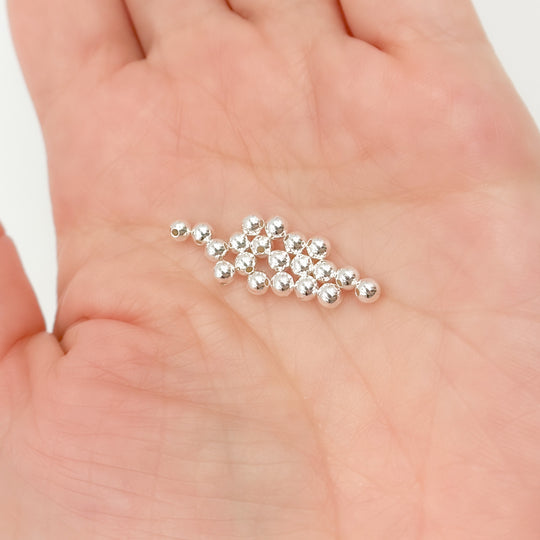
Seed beads are tiny and often underestimated. They are especially important when talking about waist beads.
Their strength is flexibility. Because they are small, they move with the body instead of against it. That is why traditional waist beads almost always use seed beads or very small glass beads.
Wood Beads
Wood beads are light and comfortable. They work well for casual jewelry, especially necklaces. But they don’t age gracefully if exposed to water or sweat regularly.
Best Beads for Bracelets
Bracelets suffer the most abuse. Hands move. Wrists twist. Bracelets hit tables, bags, doors everything. That is why the best beads for bracelets are not always the prettiest ones. Smoothness matters more than shine. Beads with sharp edges or uneven drilling will slowly destroy elastic or wire.
For everyday wear, glass beads and polished gemstone beads work best. They slide instead of scraping. This single factor decides whether a bracelet lasts months or weeks.
When choosing beads for bracelets, also think about temperature. Metal-heavy beads can feel cold in winter and uncomfortable in summer. Glass and gemstones stay neutral, which makes them better for daily use.
Best Beads for Stretch Bracelets (Where Most People Go Wrong)
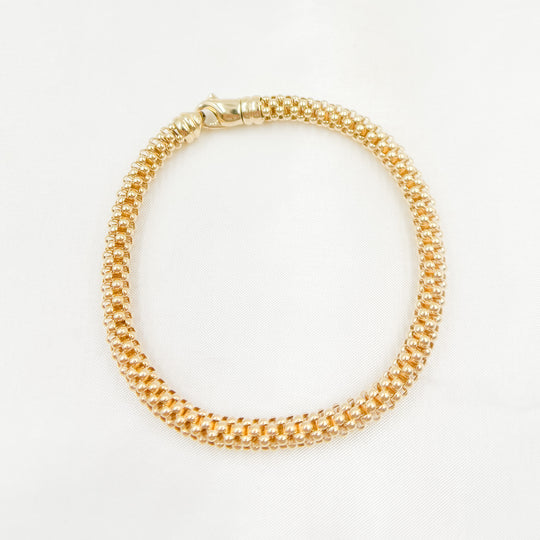
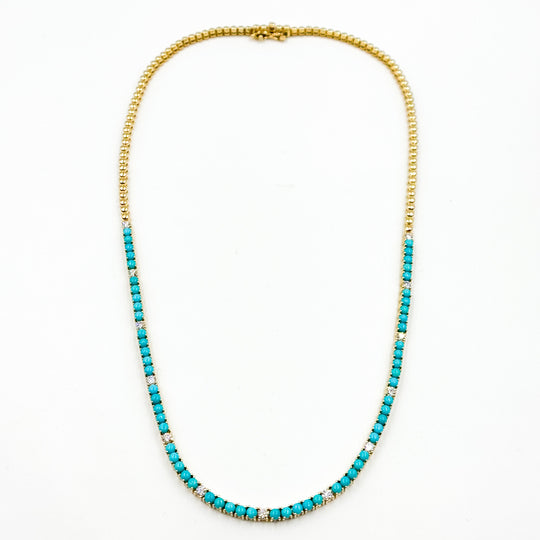
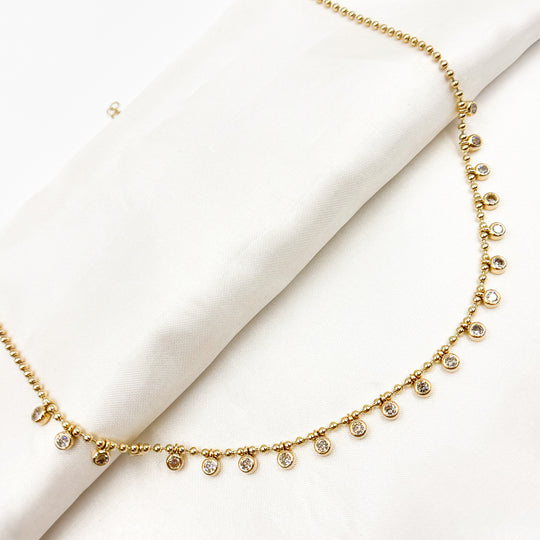
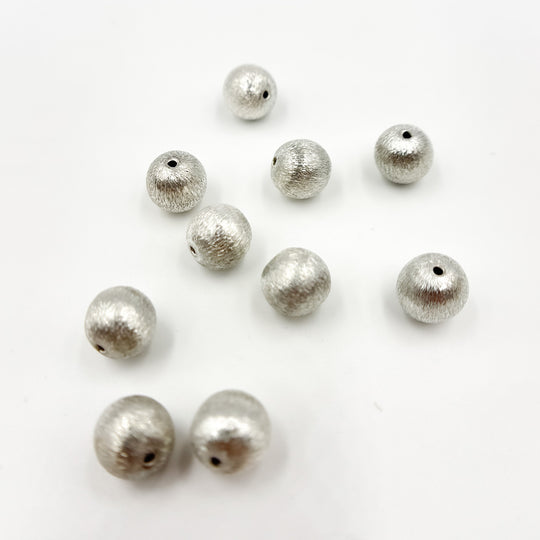
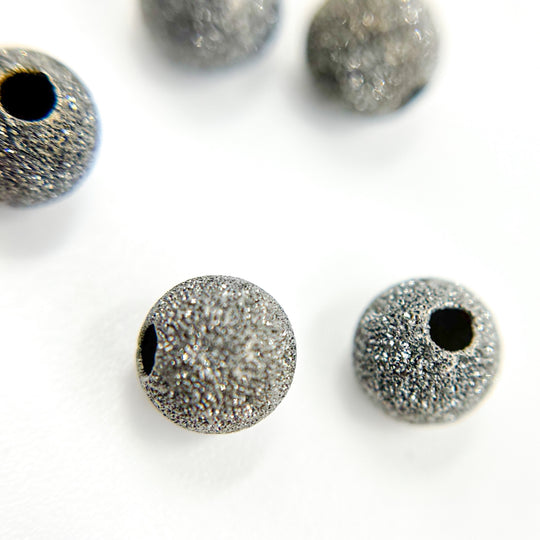
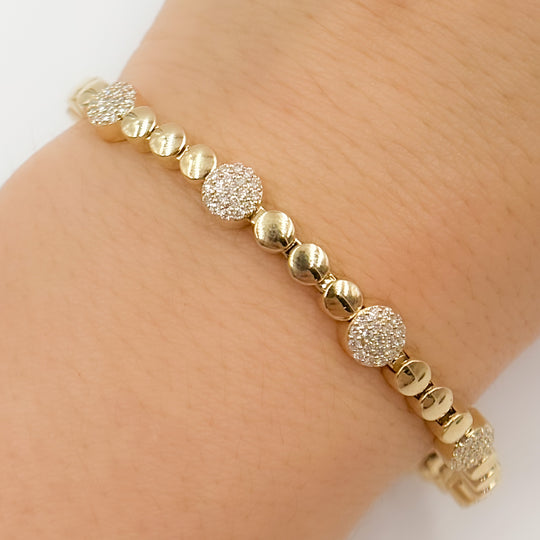
Stretch bracelets look simple, but they fail more often than any other jewelry type. The problem is usually bead weight. People often combine heavy beads with thin elastic. At first, it looks fine. After a few wears, the elastic starts losing tension. Then one day — snap.
The best beads for bracelets on elastic are:
- Medium-sized glass beads
- Smooth, round gemstone beads
- Lightweight ceramic beads
Avoid very large or uneven beads unless you are using reinforced elastic. If you care about longevity, this matters more than design.
Bracelet Beads Ideas (What Actually Looks Good Long-Term)
Most bracelet beads ideas look good on a table, not on a wrist. In real life, simpler bracelets get worn more. One bead type, one color family, maybe small spacers that’s it.
Stacking bracelets works best when each bracelet is calm on its own. If every bracelet is shouting, the stack looks messy. Good bracelet beads ideas are wearable first, decorative second.
Best Beads for Necklaces (Weight Changes Everything)
Necklaces behave very differently from bracelets. A bead that feels fine on the wrist may feel heavy on the neck after two hours. The best beads for necklaces depend on length. Short necklaces can handle more weight because the pressure is spread evenly. Long necklaces cannot.
This is where people make mistakes. They use beautiful heavy beads in long necklaces and wonder why they never wear them. Glass beads are popular here for a reason. They give visual volume without physical heaviness.
Lightweight Beads for Everyday Necklaces
If a necklace is meant for daily wear, comfort decides everything. Lightweight glass beads, small gemstone beads and even wood beads work well here. The goal is for the necklace to disappear once worn.
Choosing correct bead sizes for bracelets and necklaces also matters. Bigger is not always better. Often, smaller beads create a cleaner, more refined look.
Necklace Beads Ideas
Layering necklaces only works when beads are subtle. Too much texture causes visual chaos. For statement pieces, do the opposite. Choose one focal bead type and let it dominate. Mixing too many styles usually weakens the design. Good necklace beads ideas know when to stop.
Best Beads for Waist Beads (Comfort, Fit and Daily Wear)
Waist beads are designed to stay close to the body for long hours, often all day. Because of this, comfort is more important here than visual impact. The best beads for waist beads are lightweight, smooth and flexible enough to move naturally with the body.
Seed beads are the most commonly used option because their small size allows the strand to sit comfortably around the waist without creating pressure points. Small, well-polished glass beads can also be used, provided they have a smooth surface and rounded edges.
Heavy or oversized beads may look attractive, but they often cause discomfort during extended wear. For waist beads, simplicity and balance always outperform decorative excess.
Beads Used for Waist Beads (Traditional and Modern Choices)
Traditionally, beads used for waist beads were selected for practicality rather than appearance. Designs focused on comfort, flexibility and long-term wearability.
Commonly used bead types include:
- Seed beads for flexibility and comfort
- Small round glass beads for durability
- Occasionally small gemstone beads in limited quantities
Seed beads remain the most reliable option because they minimize friction against the skin. Modern waist bead designs sometimes include larger beads or charms, but these elements are better suited for short-term wear rather than daily use.
Waist Beads Meaning (Personal and Cultural Significance)
The waist beads meaning varies from person to person. For some, waist beads represent cultural identity or femininity. For others, they serve as a private form of self-expression or body awareness.
Unlike visible jewelry, waist beads are often worn for the wearer rather than for display. This personal nature is why comfort and subtle design matter so much. A well-designed waist bead strand should feel natural, not distracting.
Spiritual Meaning of Waist Beads (Subtle and Individual)
The spiritual meaning of waist beads is often understated. Rather than dramatic symbolism, many wearers associate waist beads with intention, mindfulness or emotional grounding.
Some people wear them as a reminder of self-care or confidence, while others connect them to personal growth. There is no fixed rule. The meaning comes from the wearer’s intention rather than the beads themselves.
Waist Beads Colors Meaning (Choosing Colors with Purpose)
Understanding waist beads colors meaning can help guide design choices, but it should not limit creativity.
Common color associations include:
- Red for confidence and strength
- Blue for calmness and emotional balance
- Green for growth and renewal
- Yellow for positivity and clarity
Many traditional waist beads combine multiple colors to reflect layered meaning rather than a single emotion. The best designs balance symbolism with visual comfort.
Traditional Waist Beads (Why Simple Designs Last)
Traditional waist beads have remained popular because their design is practical. Small bead sizes, lightweight materials and smooth finishes allow them to be worn comfortably for long periods.
Modern designs often add decorative elements, but traditional styles continue to be preferred for everyday wear because they prioritize comfort and durability over visual complexity.
Bead Sizes for Bracelets and Necklaces (A Practical Guide)
Choosing the correct bead sizes for bracelets and necklaces directly affects comfort and durability.
- Small beads offer flexibility and delicate appearance
- Medium beads are ideal for beginners and daily wear
- Large beads are best reserved for statement pieces
Medium-sized beads are generally the safest choice, especially for those new to jewelry making. They provide balance without adding unnecessary weight.
Gemstone Beads – Are They Worth the Investment?
Gemstone beads for bracelets and gemstone beads for necklaces are valued for their strength and natural appearance. They are more durable than many alternatives but also heavier.
Gemstone beads are worth using when the design is well-balanced and the jewelry is not intended for all-day wear. For everyday pieces, lighter materials often provide better comfort.
How to Choose the Best Beads for Jewelry Making
Choosing beads becomes much easier when you stop thinking only about how they look and start thinking about how the jewelry will actually be worn. The best beads for jewelry making are not universal they depend on use, movement and comfort.
Before selecting beads, ask yourself a few basic questions:
How often will the jewelry be worn?
Daily-wear jewelry needs lightweight, smooth beads that do not irritate the skin. Occasional pieces can handle more weight and visual drama.
Will the jewelry move a lot?
Bracelets and waist beads experience constant movement. Necklaces move less but carry weight differently. This affects bead size and material choice.
Who is the wearer?
Beginners often prefer simple, comfortable designs. More experienced wearers may enjoy heavier or statement pieces.
For beginners, beads for beginners jewelry making should be:
- Easy to string
- Consistent in size
- Smoothly drilled
- Affordable enough to practice without pressure
Glass beads are usually the safest starting point. As confidence grows, gemstone beads and mixed materials can be introduced gradually.
Matching Beads to Jewelry Type
Many design issues happen when the same bead logic is applied to all jewelry types.
- For bracelets: Choose smooth, medium-weight beads that do not strain elastic or wire. Avoid sharp edges and oversized beads for daily wear.
- For necklaces: Think about balance. Long necklaces require lighter beads. Short necklaces can handle more weight, but comfort should still come first.
- For waist beads: Flexibility is essential. Lightweight beads that follow body movement always outperform decorative but heavy designs.
Durability vs Appearance (Finding the Right Balance)
Some beads look beautiful but do not last. Others last forever but feel boring. The goal is balance.
- Glass beads offer good durability with visual variety
- Gemstone beads provide strength and a premium feel
- Wood beads are comfortable but less resistant to moisture
For durable beads for bracelets, polished glass and gemstone beads perform best. For necklaces, weight management matters more than raw durability. Good jewelry design respects both appearance and real-life use.
How This Guide Helps Customers Make Better Choices
This guide is meant to remove guesswork. Instead of choosing beads based only on trends, it encourages practical decisions based on comfort, wearability and long-term use.
Customers of Tresor Jewelry Inc can use this information to select beads that align with their lifestyle whether they prefer everyday minimal pieces or occasional statement designs. Understanding bead behavior leads to fewer mistakes and better satisfaction with finished jewelry.
Conclusion
The quality of jewelry starts with bead selection. Bracelets, necklaces and waist beads each demand different approaches and treating them the same often leads to disappointment.
The best results come from understanding how beads feel on the body, how they respond to movement and how long they can realistically last. When beads are chosen with intention, jewelry becomes something people return to not something that stays in a drawer.
Good beads do not shout. They simply work.
FAQs
1. What are the best beads for jewelry making?
Glass beads and gemstone beads are the most reliable options due to their balance of durability, comfort and appearance.
2. Which beads are best for bracelets?
Smooth glass beads and polished gemstone beads work best for bracelets, especially for daily wear.
3. Are waist beads suitable for everyday wear?
Yes, when made with lightweight beads used for waist beads, they are comfortable enough for daily use.
4. What bead size is best for beginners?
Medium-sized beads are ideal for beginners because they are easy to handle and versatile across designs.
5. Are gemstone beads worth the cost?
Gemstone beads are worth it when durability and a premium look are priorities, but they should be used thoughtfully due to their weight.