
Introduction: Solid Gold vs Hollow Gold
If you’ve ever walked into a jewelry store, you probably faced the same dilemma: solid gold or hollow gold? At first glance, they can look almost identical. Both shine, both sparkle and both promise elegance. But once you pick them up, the difference is immediately noticeable. Solid gold feels substantial and reassuring in your hand, while hollow gold can feel surprisingly light.
Choosing the right gold isn’t just about looks. It’s about how the piece will perform over time, whether it can handle daily wear and how it fits your lifestyle. For someone like me, who wears jewelry almost every day, picking the right type of gold can mean the difference between a piece that lasts a lifetime and one that starts bending or losing shape within months.
In this guide, we’ll dive deep into the solid gold vs hollow gold debate. We’ll cover:
- What solid gold jewelry really is and why it’s so durable
- What hollow gold jewelry is and when it works best
- Key differences in weight, durability, price and maintenance
- Which option is better for daily wear and long-term investment
By the end, you’ll have all the insights to confidently decide which gold jewelry is right for you without second-guessing every purchase.
What Is Solid Gold Jewelry?

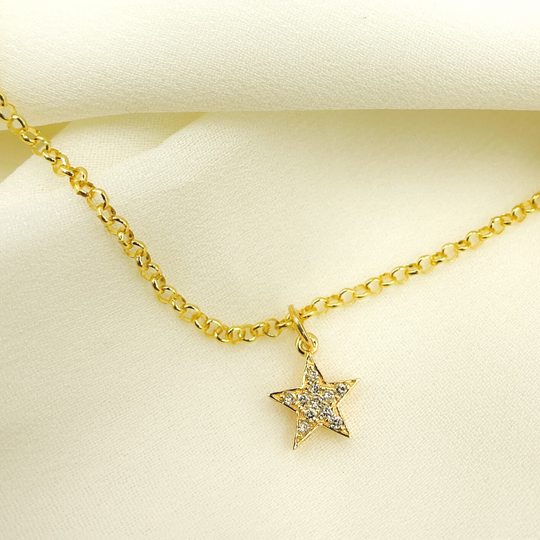
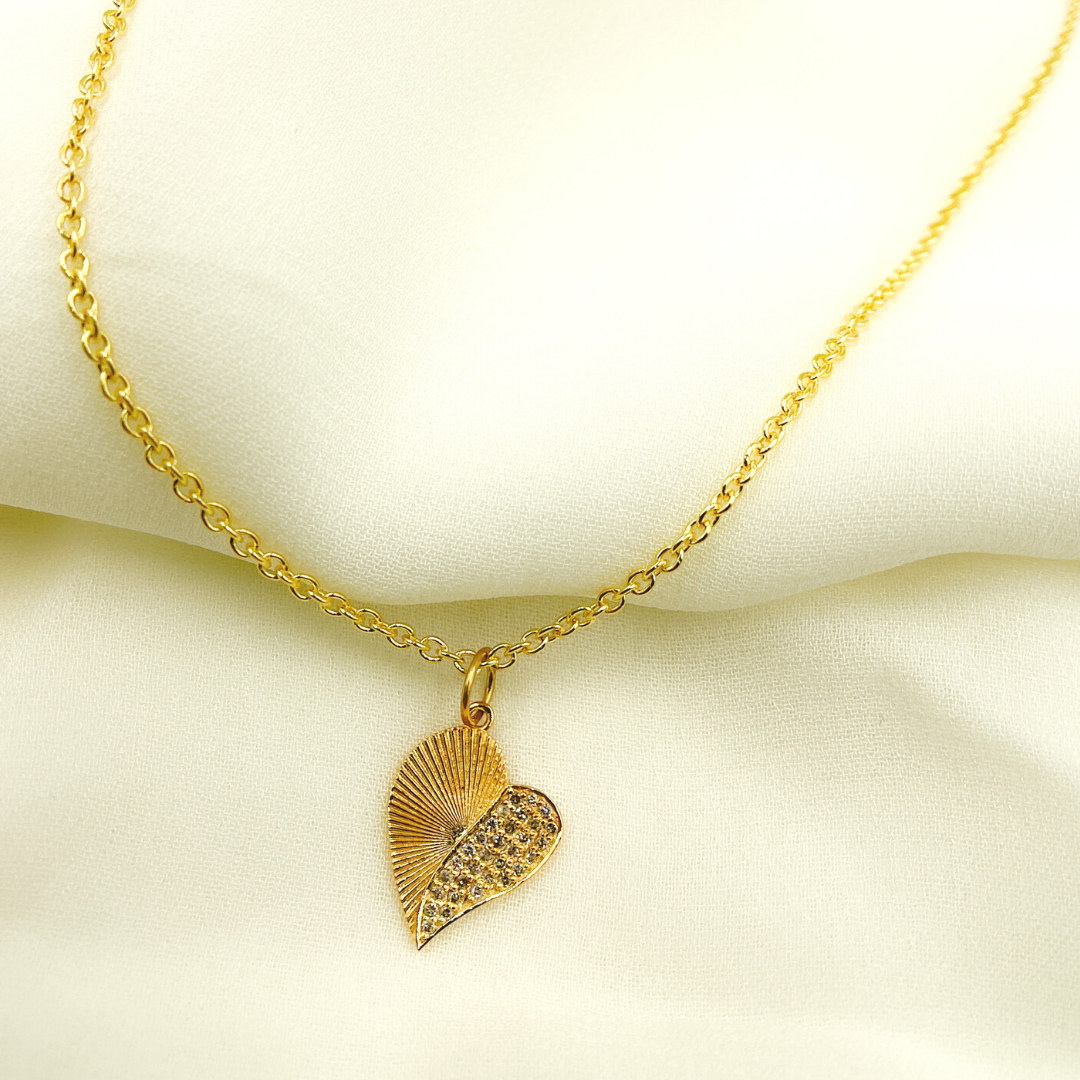

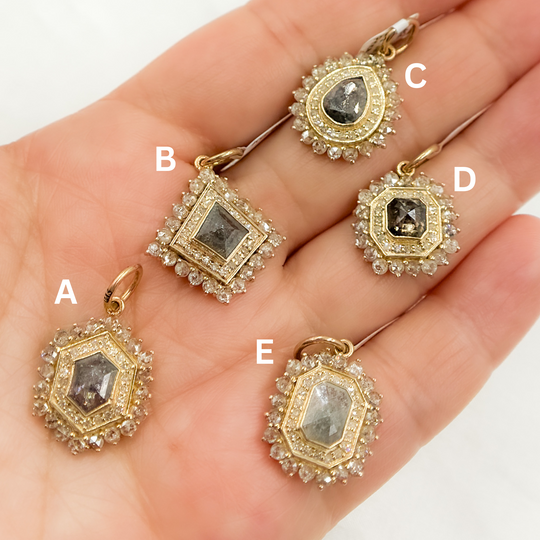
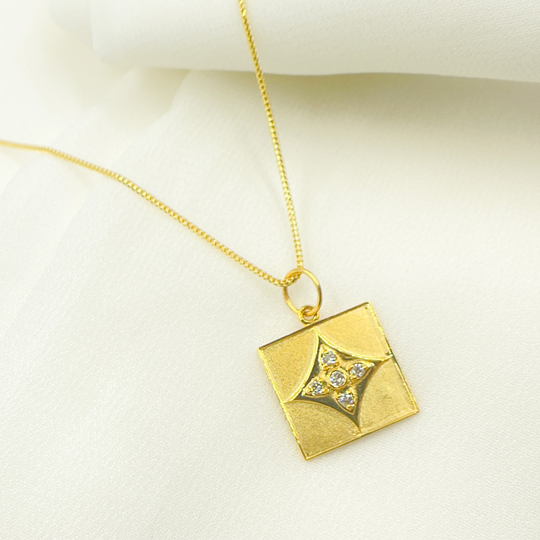

Solid gold jewelry is exactly what it sounds like pure gold or a gold alloy throughout the entire piece. There are no empty spaces inside. The most common types you’ll see are 14K and 18K gold:
- 14K solid gold contains 58.3% pure gold, with the rest made up of metals like copper or silver for strength.
- 18K solid gold contains 75% pure gold, giving it a richer yellow color but making it slightly softer.
Because solid gold is dense and weighty, you’ll notice the difference as soon as you hold it. A solid gold necklace or bangle feels reassuringly heavy and substantial. It doesn’t flex or bend easily, which is why solid gold is the go-to choice for jewelry meant to last decades.
Pros of Solid Gold Jewelry
-
Durability and Strength
Solid gold is tough. It withstands daily wear, polishing and minor knocks without losing shape. If you’re someone who wears rings, bracelets or necklaces every day, solid gold will hold up far better than hollow gold. -
Long-Term Value
Because of its gold content, solid gold jewelry retains value. It’s an investment as much as it is a fashion choice. Whether you plan to pass it down to family or resell in the future, solid gold holds its worth. -
Hypoallergenic Options
High-quality 14K and 18K alloys are less likely to irritate sensitive skin, making them ideal for earrings, necklaces and rings worn daily. -
Maintenance and Longevity
You can polish and clean solid gold repeatedly without damaging it. Over the years, it maintains its shine, weight and overall structure.
Cons of Solid Gold Jewelry
-
Heavier Weight
Because it’s dense, large solid gold pieces can feel heavy, especially long necklaces or bangles. Some people prefer lighter jewelry for comfort. -
Higher Cost
Solid gold is expensive. The higher the karat, the higher the price, which can be a barrier for some buyers. -
Limited Large Design Flexibility
Creating oversized or intricate designs in solid gold can be costly due to the amount of gold required. Hollow gold allows jewelers to make bigger, more elaborate pieces at a fraction of the cost.
What Is Hollow Gold Jewelry?
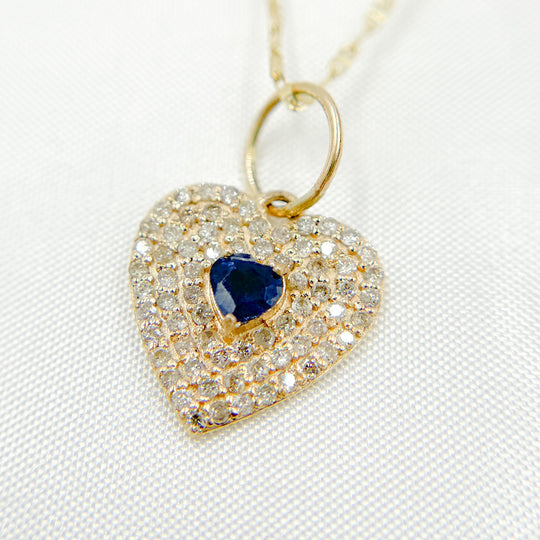
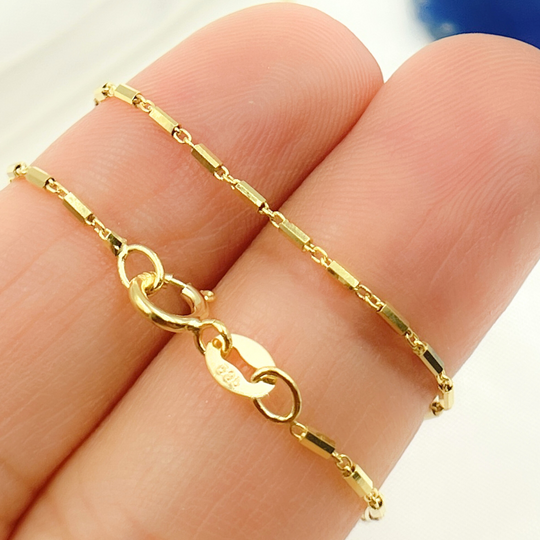

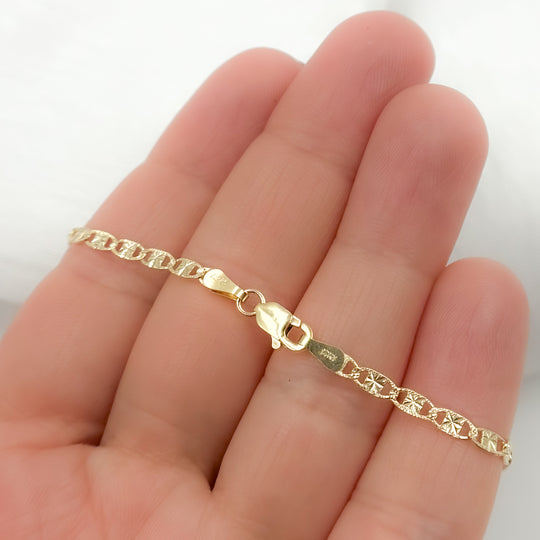
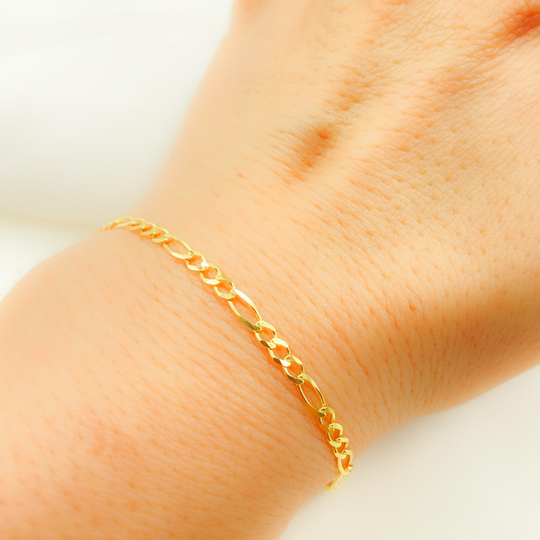
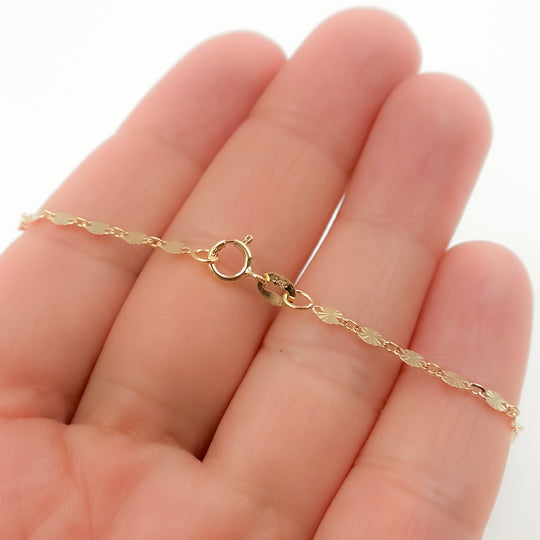
Hollow gold jewelry is a clever way jewelers make large, beautiful pieces without adding extra weight. Essentially, it has a thin outer layer of gold that encases an empty interior. From the outside, it often looks just like solid gold shiny, polished and elegant but when you pick it up, it feels much lighter.
Think about those oversized bangles or big necklaces you see in stores. Wearing solid gold versions of these pieces would be heavy and sometimes uncomfortable. Hollow gold solves that problem by giving you the same look and sparkle while keeping the weight manageable.
Hollow gold is especially popular for statement jewelry that’s meant to be worn occasionally or by people who prefer lighter accessories. While it’s affordable and comfortable, it does come with a few trade-offs in durability and maintenance.
Pros of Hollow Gold Jewelry
-
Lightweight Comfort
The most obvious advantage is comfort. Hollow gold pieces are much easier to wear for long hours. Big earrings, chunky necklaces or wide bangles won’t pull on your ears or wrists. -
Affordability
Since hollow gold uses less gold, it costs less than solid gold. This makes it ideal for buyers who want large, stylish pieces without spending a fortune. -
Fashion Flexibility
Hollow gold allows jewelers to experiment with intricate designs and bold statement pieces. You can get elaborate jewelry that looks substantial but doesn’t weigh you down.
Cons of Hollow Gold Jewelry
-
Less Durable
Hollow gold is more prone to bending, denting or losing shape over time. You need to handle it gently, especially for everyday wear. -
Lower Long-Term Value
Because it contains less gold, hollow gold pieces have lower resale and investment value. Unlike solid gold, they won’t appreciate much over time. -
Care and Maintenance
You can’t polish hollow gold as aggressively as solid gold. Over-polishing or rough handling can damage the thin outer layer, leading to dents or cracks.
Solid Gold vs Hollow Gold Jewelry: Key Differences
By now, you’ve got a good idea of what solid and hollow gold are. But how do they really compare when you’re picking something to wear every day or investing in a piece that lasts a lifetime? Let’s break it down in simple, relatable terms.
1. Weight & Structure
The first thing you’ll notice when holding these two types of jewelry is the weight. Solid gold is dense and heavy, giving a sense of sturdiness. You’ll feel that “this piece is built to last” vibe the moment you pick it up. Hollow gold, on the other hand, is light as air, which is great for large pieces but doesn’t give that same reassuring heft.
Think of it like this: if you buy a big necklace or a chunky bangle, solid gold will feel luxurious and substantial. Hollow gold will feel comfortable, but you’ll immediately know it’s delicate and needs careful handling.
2. Durability & Strength
Solid gold is the champion of durability. A solid gold ring, necklace or bracelet can withstand daily wear for decades with minimal maintenance. Hollow gold, however, is more fragile. Even a small bump or accidental drop can dent it or cause bending.
Here’s a practical tip: If you’re someone who wears jewelry to work, outdoors or for daily errands, solid gold is usually the safer bet. Hollow gold is better for occasional wear or formal events where weight and comfort are more important than long-term durability.
3. Price & Value
Price is another big differentiator. Solid gold costs more because it’s made entirely of gold. Hollow gold is lighter, so it’s cheaper upfront. But here’s the catch: solid gold holds its value. Years later, if you decide to sell or pass down the piece, you’ll get much more for solid gold than hollow.
Hollow gold, while budget-friendly initially, doesn’t appreciate the same way. So if you see jewelry as an investment, solid gold wins every time.
4. Repair & Maintenance
Solid gold jewelry is easy to repair. Scratches, dents or polishing needs can usually be handled without any risk of structural damage. Hollow gold is trickier. Too much polishing, bending or even minor soldering can weaken the thin gold layer. This is why hollow gold requires more careful handling and is often not recommended for heavily used pieces.
Solid Gold vs Hollow Gold for Daily Use
When choosing jewelry for everyday wear, durability should be your top priority. Solid gold can handle the rigors of daily life from getting caught on clothing to occasional knocks without losing its shape.
Hollow gold can be worn daily, but only if you are cautious. Avoid activities like heavy lifting, sports or any situation where the jewelry might get bent. Light daily use is fine, but it won’t withstand years of rough handling like solid gold does.
14K vs 18K Solid Gold Jewelry: Which Should You Choose?
Even within solid gold, you have options. The most common are 14K and 18K gold.
14K Solid Gold:
- Contains 58.3% pure gold
- Harder and more durable
- Slightly less yellow, but perfect for daily wear
18K Solid Gold:
- Contains 75% pure gold
- Rich, vibrant yellow tone
- Softer, so more prone to scratches and dents
- Often preferred for special occasions or investment pieces
A simple rule of thumb: if you want something for everyday wear, go for 14K. If your priority is color richness and investment value, 18K is ideal.
Quick Comparison Table: Solid Gold vs Hollow Gold
Here’s a simple, practical comparison to help you decide at a glance:
|
Feature |
Solid Gold |
Hollow Gold |
|
Weight |
Heavy, substantial |
Light, comfortable |
|
Durability |
Very high, lasts decades |
Moderate, can bend or dent |
|
Price |
Expensive, but holds value |
Affordable upfront, lower resale value |
|
Daily Wear |
Ideal for everyday use |
Needs careful handling for daily wear |
|
Maintenance |
Easy to polish and repair |
Requires delicate care |
|
Design Options |
Limited for very large pieces |
Great for oversized, intricate designs |
|
Investment Value |
High |
Low |
Tip: If you plan to wear a piece often or keep it as a long-term investment, solid gold is usually better. Hollow gold is perfect for lightweight, statement or occasional wear pieces.
Who Should Buy Solid Gold Jewelry?
Solid gold jewelry is perfect for:
- Daily Wearers: People who wear rings, chains or bracelets every day.
- Investors: Anyone looking to buy jewelry that retains value over time.
- Gift Buyers: Solid gold makes a meaningful, lasting gift for weddings, anniversaries or family heirlooms.
- Heavy Jewelry Lovers: If you want larger chains, bangles or necklaces that last, solid gold is ideal.
Who Should Buy Hollow Gold Jewelry?
Hollow gold works best for:
- Fashion-Forward Buyers: Those who want bold, statement pieces without the heaviness.
- Budget-Conscious Shoppers: If you want the look of gold without the high price tag.
- Occasional Wearers: Perfect for weddings, parties or special events where weight and comfort matter.
Is Hollow Gold Real Gold?
Yes, hollow gold is real gold, but it has a thin gold layer around a hollow interior. That means the amount of gold in weight is less, so the piece feels lighter and costs less. Don’t mistake the lightness for fake gold it’s just a clever design to make jewelry wearable and affordable.
Solid Gold vs Hollow Gold: Final Verdict
If I had to summarize in plain terms:
- Solid Gold: Strong, durable, long-lasting and retains value. Best for daily wear, investment and pieces meant to last generations.
- Hollow Gold: Lightweight, stylish and affordable. Best for occasional wear or statement pieces where comfort matters more than durability.
A small piece of advice from experience: if you want jewelry that you can pass down or wear every day without worrying, solid gold is the safer bet. Hollow gold is fun and fashionable, but it needs careful handling and is more suited for lighter, occasional wear pieces.
FAQs
Q1: Can hollow gold jewelry last long?
Yes, but it requires careful handling. Unlike solid gold, hollow gold is more prone to bending or dents if worn daily or roughly. Treat it gently and it can last years.
Q2: Is solid gold worth the higher price?
Absolutely. Solid gold retains value, lasts decades and can even become a family heirloom. Its durability and long-term worth make it a smart investment.
Q3: Can I wear hollow gold daily?
You can, but with caution. Avoid activities that may bend or scratch the jewelry. For heavy daily use, solid gold is safer.
Q4: Which is better: 14K or 18K solid gold?
For daily wear, 14K is ideal because it’s harder and less prone to scratches. If color richness and investment value matter, 18K is preferred.
Q5: Does hollow gold mean fake gold?
No. Hollow gold is real gold with a thin layer forming the jewelry. Its lightness is a design choice, not an indication of fakeness.