
Engagement Ring vs Wedding Ring: Which One Do You Need?
An engagement ring is typically given during a proposal and usually features a center diamond. A wedding ring, often referred to as a wedding band, is exchanged during the ceremony itself and tends to be simpler.
That's the short version of engagement ring vs wedding ring. But the real answer has more layers, and most couples end up with questions the quick definition doesn't cover.
Do you need both? Which finger does each one go on? Is a wedding band cheaper than an engagement ring, or does that depend on the piece?
This article walks through every one of those questions, one at a time, with real comparisons instead of vague generalities.
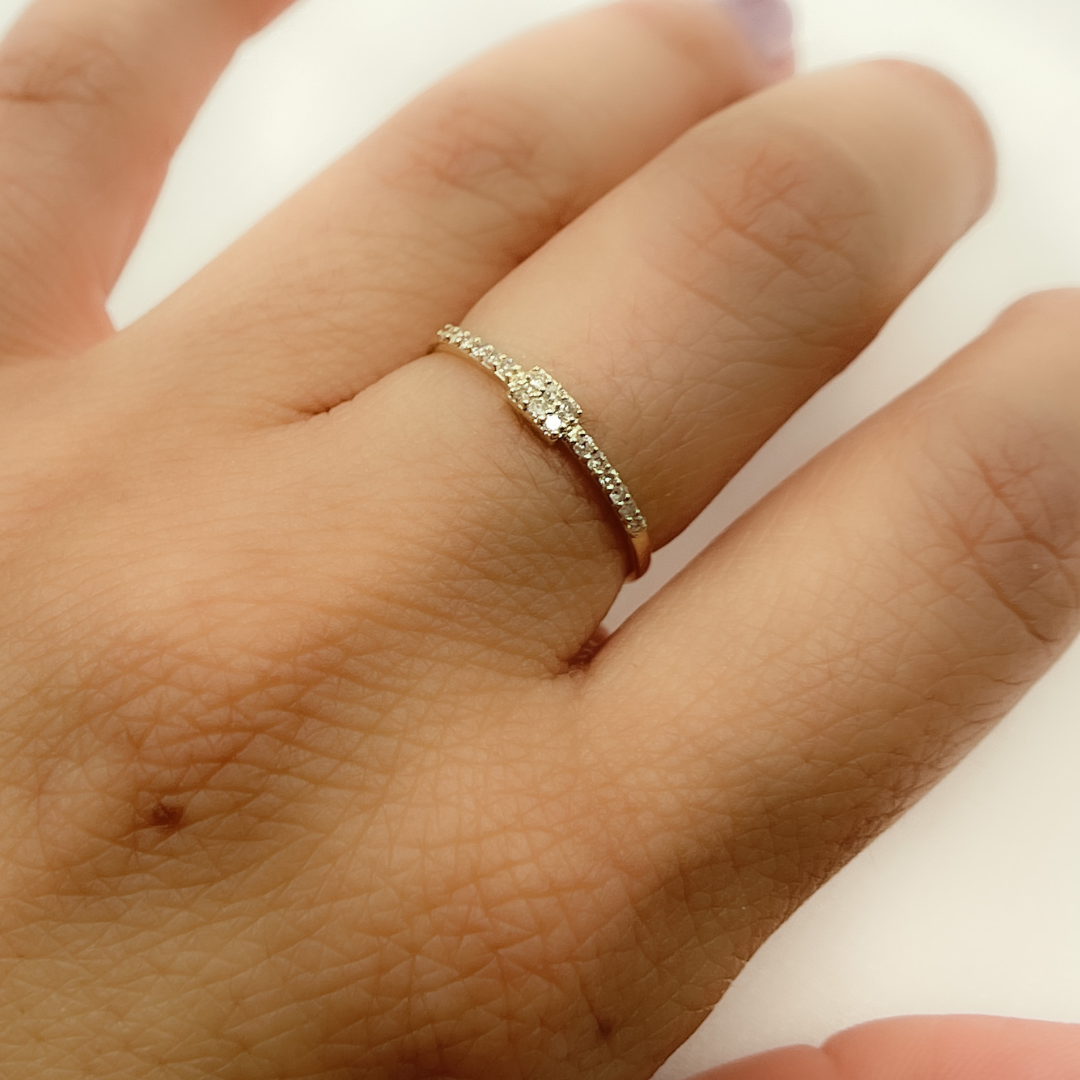
14K Gold Diamond Ring
VIEW PRODUCT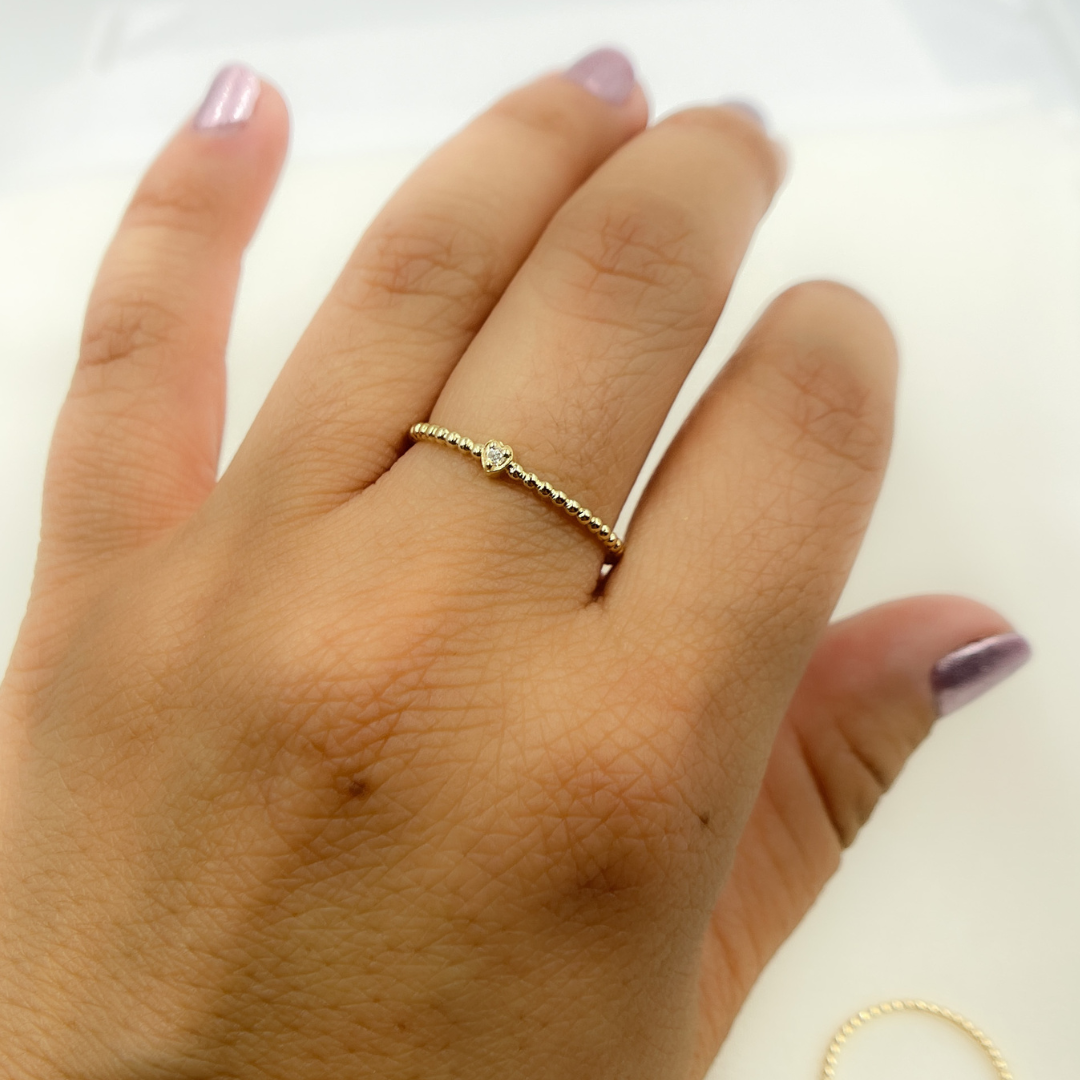
14K Solid Gold Heart Diamond Ring
VIEW PRODUCT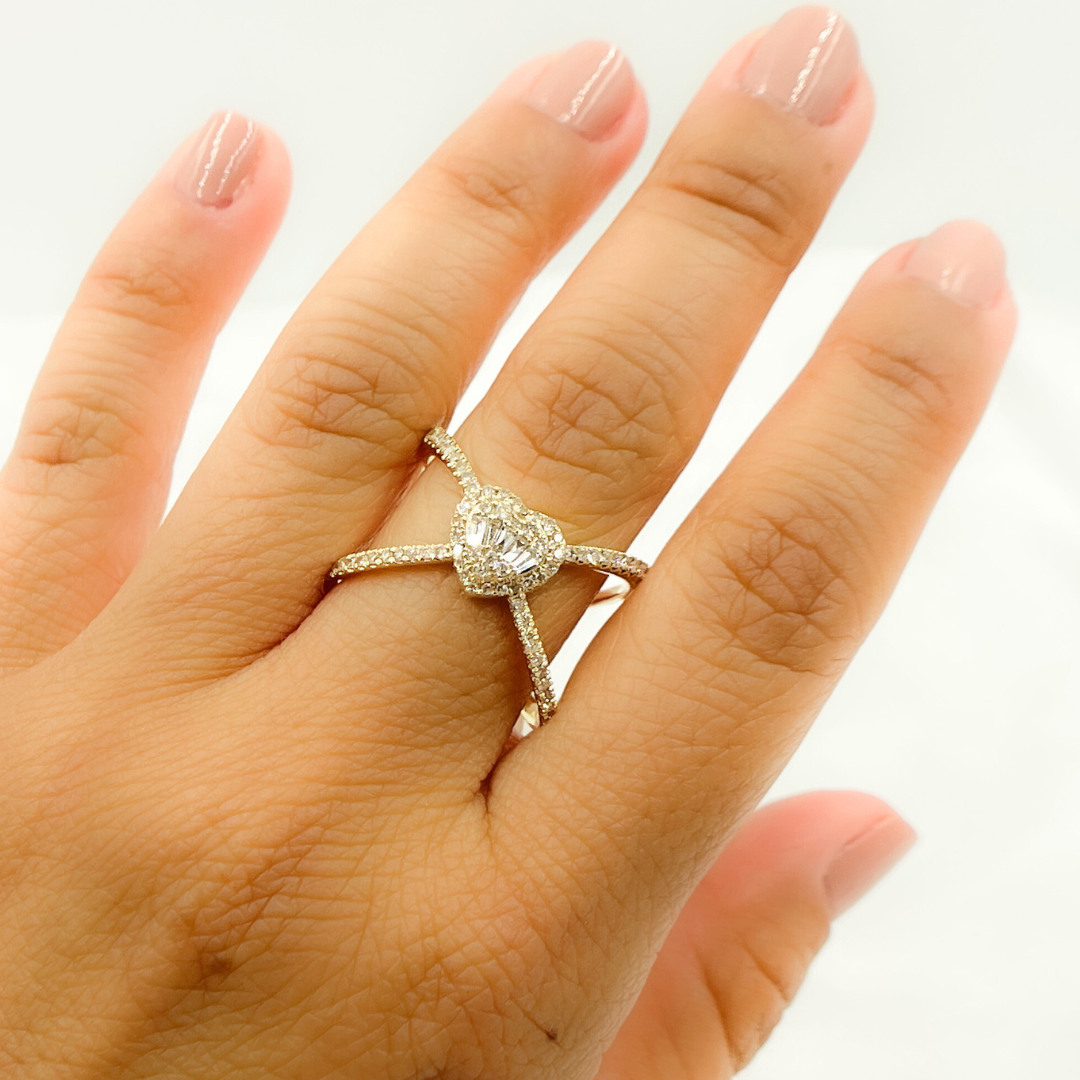
14K Solid Gold Diamond Cross Heart Ring
VIEW PRODUCT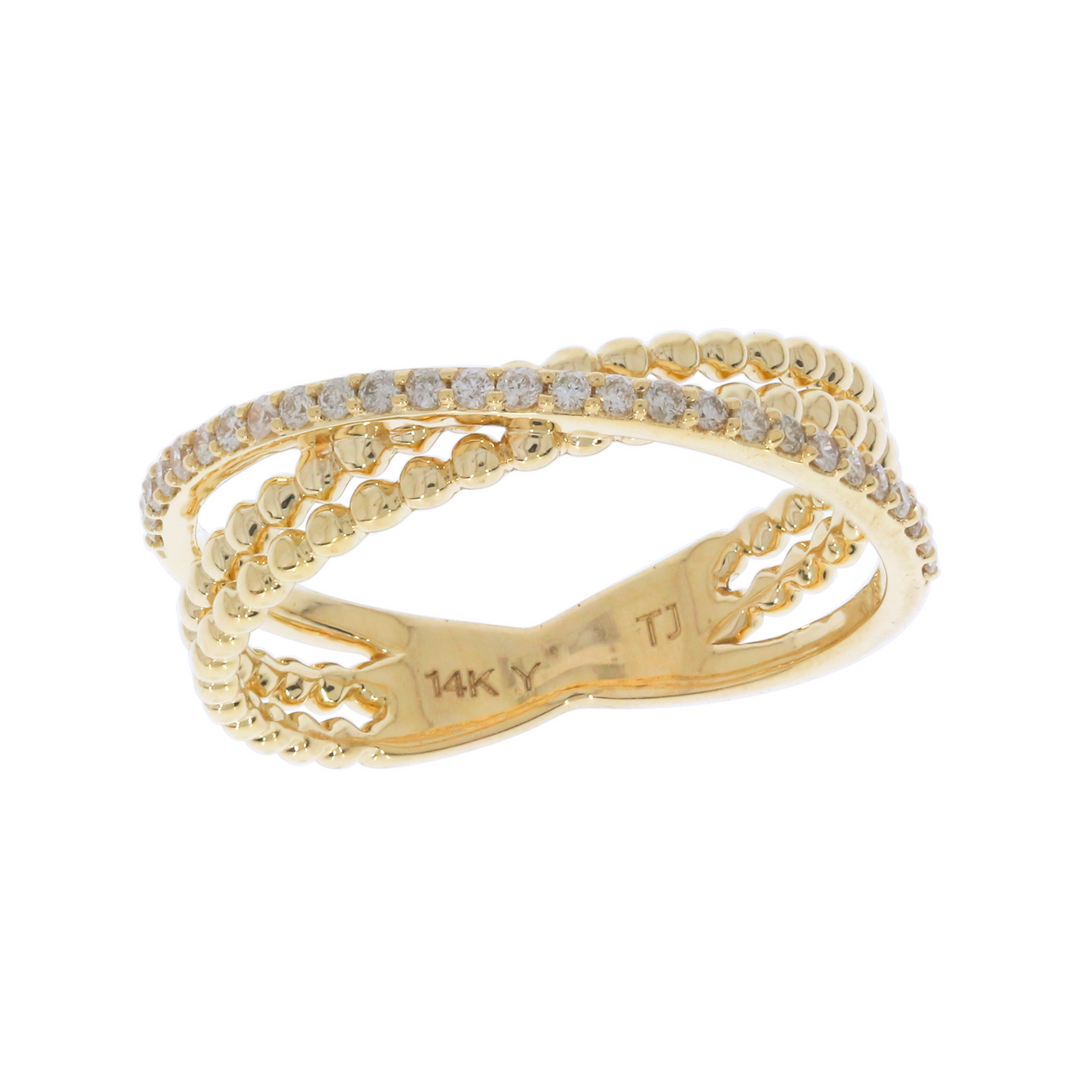
14K Solid Gold Diamond and Beaded Bands Ring
VIEW PRODUCTEngagement Ring vs Wedding Band: The Core Difference
At the core, comparing an engagement ring vs wedding band comes down to timing and purpose. One marks a promise. The other marks the marriage itself.
An engagement ring is given when someone proposes. It's meant to be noticed, so it usually features a diamond or gemstone as the centerpiece.
A wedding ring is exchanged during the wedding ceremony. Its job is different. It represents the marriage vow, not the proposal, so plain metal bands are common, though diamond versions exist too.
Here's a side-by-side breakdown:
|
Feature |
Engagement Ring |
Wedding Ring / Band |
|
Purpose |
Marks the proposal |
Marks the marriage |
|
When it's given |
At the proposal |
During the ceremony |
|
Typical design |
Center stone, prong or bezel setting |
Plain band or thin diamond row |
|
Diamond / gemstone |
Usually yes, often the focal point |
Optional, varies by style |
|
How it's worn |
Alone until the wedding, then paired |
Paired with the engagement ring |
|
When it's purchased |
Weeks or months before the proposal |
Typically bought closer to the wedding date |
|
Typical cost |
Higher, due to the center stone |
Generally lower, though diamond bands cost more |
That table answers most of the surface-level question. The sections below go deeper into each piece.
What Is an Engagement Ring?

An engagement ring is the ring given when someone proposes marriage. It's designed to stand out on its own, since it's worn from the proposal until the wedding and often for years after.
Most engagement rings are built around one center stone. Diamonds are the most common choice, though sapphires, moissanite, and other gems show up too, depending on budget and taste.
The setting matters as much as the stone. A solitaire puts a single diamond front and center with no distractions. A halo setting surrounds that center stone with a ring of smaller diamonds, which makes it look larger.
Some couples go with a three stone ring, symbolizing past, present, and future. Others choose pave bands, where tiny diamonds line the shank for extra sparkle.
Metal choice shapes the overall look too. 14K gold holds up well for daily wear and costs less than 18K gold, which has a richer color but is softer. Platinum is the most durable option and doesn't need rhodium replating the way white gold does over time.
Traditionally, the engagement ring is worn alone from the proposal until the wedding day. After the ceremony, it moves next to the wedding band on the same finger.
Ready to look at settings in person rather than just descriptions? Our engagement rings collection has solitaire, halo, and three stone styles across 14K, 18K, and platinum.
Also Read: Sapphire Engagement Rings: Complete Buying Guide (2026)
What Is a Wedding Ring or Wedding Band?
A wedding ring, more often called a wedding band, is exchanged during the ceremony. In the U.S., both partners typically wear one, though this varies by culture and region, and some traditions give the engagement ring differently or skip it altogether.
The design philosophy here is different from an engagement ring. Simplicity is the point. A plain gold or platinum band represents the vow itself, not a display piece.
That said, plenty of wedding bands do include diamonds now. Some are set with a thin row of small stones along the top, sometimes called an eternity band or anniversary band depending on the coverage.
For men, wedding bands are almost always plain metal, though brushed finishes, mixed metals, and comfort-fit interiors have become common. For women, the band is often chosen to sit flush against the engagement ring.
The traditional meaning hasn't really changed over time. The wedding band is a daily symbol worn by both spouses, meant to be simple enough to wear every single day without a second thought.
If plain metal isn't your style, our wedding bands collection also includes diamond-lined and eternity options in matching metals.
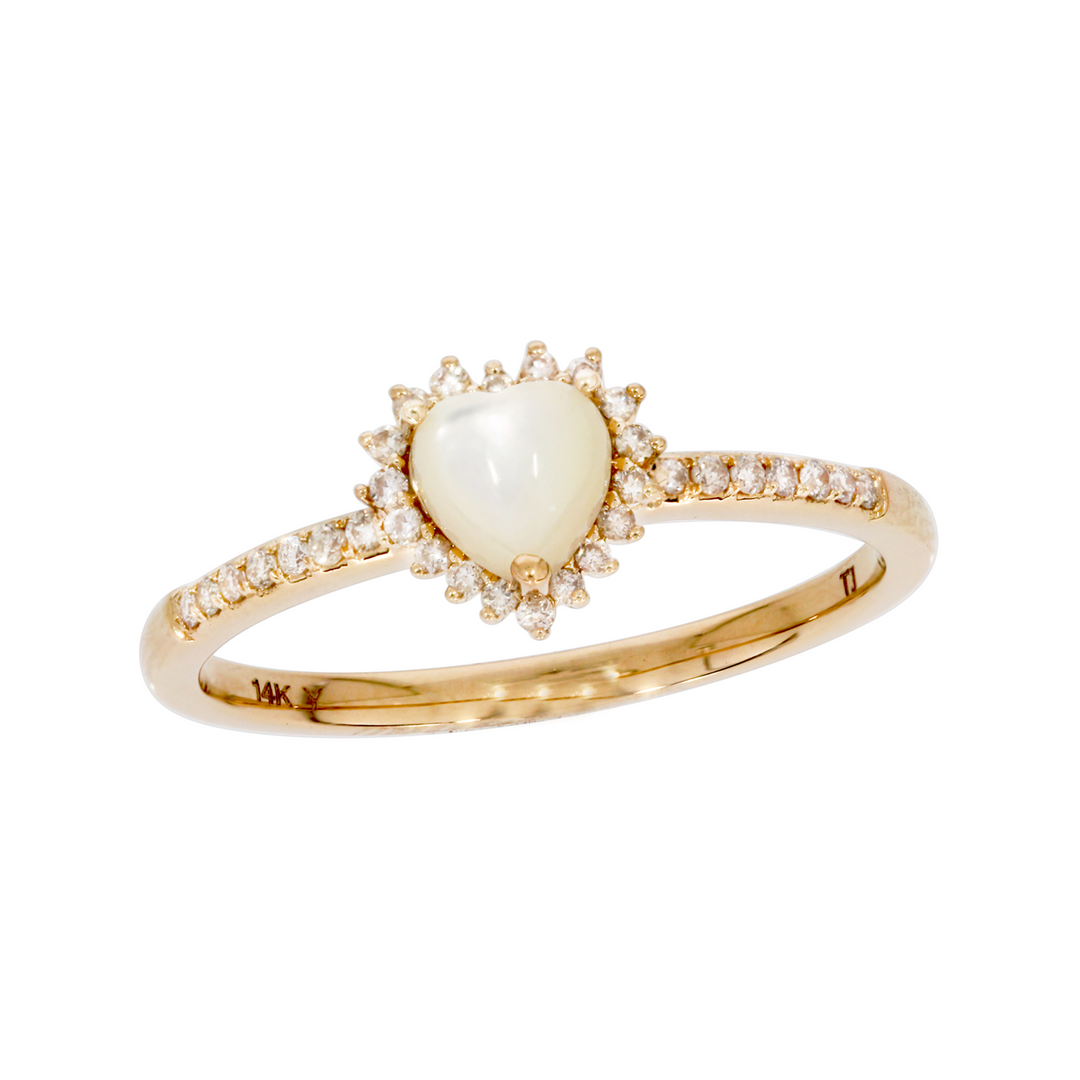
14K Solid Gold Diamond and Gemstone Ring
VIEW PRODUCT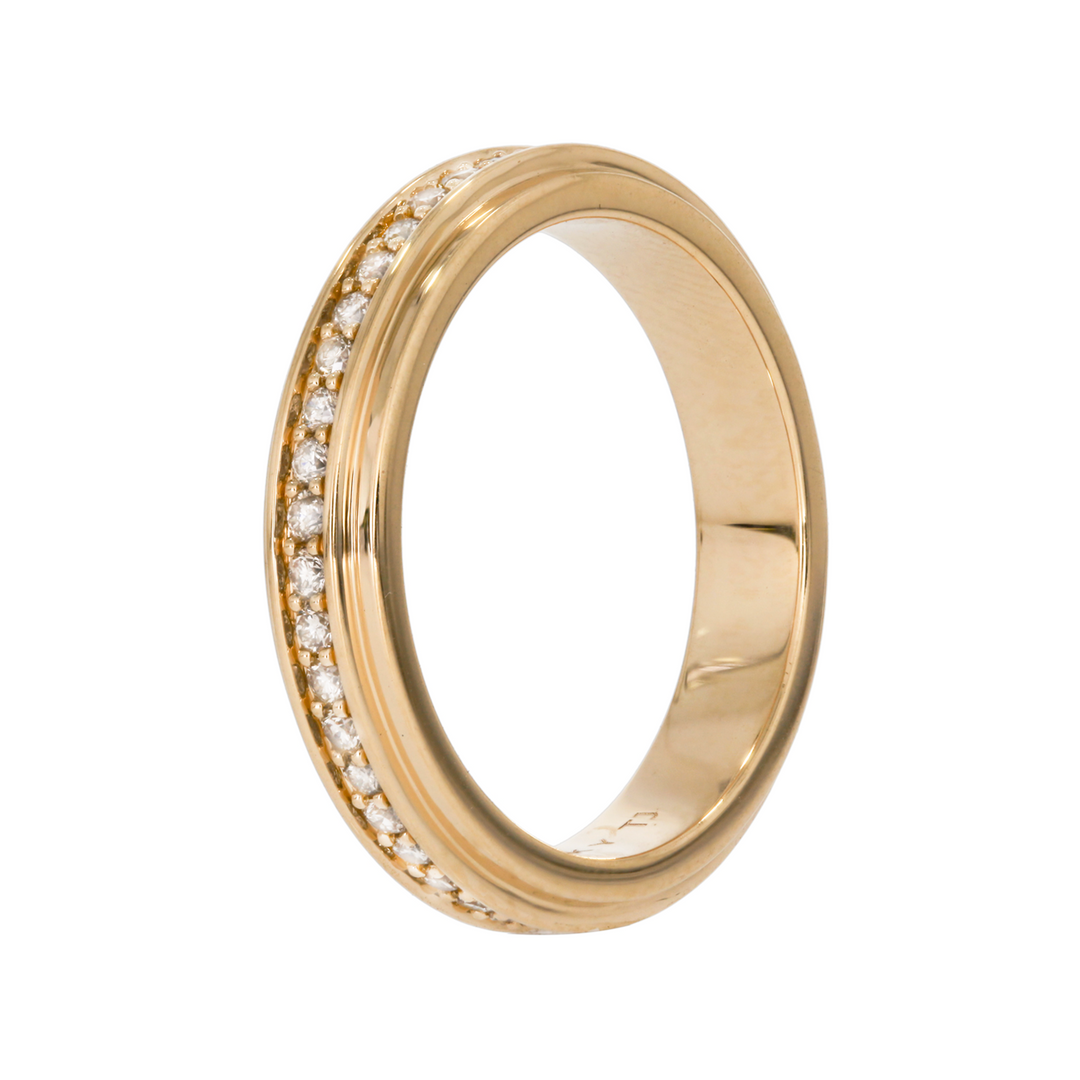
14K Solid Gold Diamond Ring
VIEW PRODUCT
14K Solid Gold Diamond Ring
VIEW PRODUCT
14K Solid Gold Diamond and Multi Sapphire Band Ring
VIEW PRODUCTWedding Band vs Engagement Ring, Side by Side
Looking at a wedding band vs engagement ring directly makes the differences clearer than looking at either one alone.
An engagement ring is a statement piece. It's meant to catch light and draw attention, usually because of a raised center stone and detailed setting work.
A wedding band, by contrast, is usually built to sit quietly alongside daily life, though plenty of modern bands, especially diamond-lined or eternity styles, hold their own as statement pieces too.
Take a real example. A bride might wear a 1.5 carat halo engagement ring with a delicate 2mm plain gold band underneath. The engagement ring does the visual work; the band just completes the set without competing for attention.
Grooms usually skip the engagement ring altogether and go straight to a wedding band, though men's engagement rings have started gaining some traction in recent years.
Engagement Ring and Wedding Ring: Are They the Same Thing?

No, they aren't the same, though the terms get mixed up constantly in casual conversation.
Part of the confusion comes from language. Some people use "wedding ring" to mean any ring worn after marriage, including the engagement ring. Others use it strictly to mean the band exchanged at the ceremony.
Jewelers usually draw a clear line. The engagement ring is given at the proposal. The wedding ring, or wedding band, is exchanged at the ceremony. Together, after the wedding, they're often just called the bridal set.
So when someone says "wedding rings vs engagement rings," they're really asking about two separate pieces that eventually get worn together, not two names for the same object.
Engagement Ring Finger vs Wedding Ring Finger
In the United States, both rings are traditionally worn on the fourth finger of the left hand, often called the ring finger.
The older belief was that a vein in that finger runs directly to the heart, sometimes called the vena amoris. It's a nice story, but not anatomically accurate. It's tradition, not biology.
Before the wedding, the engagement ring sits on that finger by itself. At the ceremony, the wedding band typically goes on first, positioned closer to the hand, with the engagement ring slipped on afterward or moved back into place.
That order isn't a strict rule everywhere. Some cultures place rings on the right hand instead of the left. Others follow different finger traditions entirely, so treat this as common U.S. practice rather than a universal standard.
Also Read: Which Hand Does Wedding Ring Go On?
Can You Use an Engagement Ring as a Wedding Ring?
Yes, some couples do exactly this, and it works fine.
If someone prefers to wear a single ring, or if budget only allows for one purchase, the engagement ring can double as the wedding ring during the ceremony exchange. There's no rule requiring two separate pieces.
This is also common for second marriages, where couples sometimes skip the traditional two-ring setup entirely and go with one meaningful piece instead.
Some jewelers design engagement rings specifically with this in mind, using a shank sturdy enough for exchange during vows and daily wear afterward, without needing a companion band.
Do You Need Both an Engagement Ring and a Wedding Band?
Not necessarily. It depends on personal preference, budget, and lifestyle, and there's more than one way to approach it.
Both rings. This is the most common route in the U.S. The engagement ring gets worn from the proposal onward, and the wedding band joins it at the ceremony.
Wedding band only. Some people skip the engagement ring stage entirely, especially with shorter engagements, and go straight to exchanging bands.
Engagement ring only. As covered above, one ring can serve both purposes if that's what the couple wants.
Alternative bridal jewelry. A small number of couples choose something outside the traditional ring format altogether, such as matching bracelets or a custom piece that isn't a ring at all.
None of these choices is more "correct" than another. It comes down to what feels right for the two people involved.
Cost of Engagement Ring vs Wedding Ring
The cost of engagement ring vs wedding ring varies a lot, but there are patterns worth knowing before you start shopping.
Engagement rings tend to cost more, mainly because of the center diamond. A single larger stone drives price up faster than the metal or labor around it.
Wedding bands are usually less expensive since they're simpler pieces with less metal and, in plain versions, no stones at all. Diamond wedding bands close that price gap somewhat, sometimes rivaling a modest engagement ring depending on carat total.
|
Cost Factor |
Engagement Ring |
Wedding Band |
|
Diamond size |
Major price driver, often the largest expense |
Minor factor, only if stones are included |
|
Diamond quality (cut, clarity, color) |
Significant impact on price |
Only relevant for diamond bands |
|
Metal type |
14K, 18K, or platinum, affects base cost |
Same options, smaller total metal used |
|
Ring design |
Complex settings raise labor cost |
Simpler designs keep cost lower |
|
Craftsmanship |
Detailed prong work, halo, pave add cost |
Plain bands require less labor |
|
Number of stones |
Center stone plus accents |
Zero to many, depending on style |
|
Setting complexity |
Higher for halo, three stone, vintage styles |
Lower, usually a straight band |
|
Brand |
Varies by retailer and markup |
Varies by retailer and markup |
None of this means an engagement ring always costs more. A plain 14K solitaire can cost less than an elaborate diamond eternity band. Pricing depends on the specific combination of stone, metal, and design, not the ring category alone.
Want to see how diamond wedding bands compare on price against a simple engagement ring? Browse diamond wedding bands and check the carat total against a solitaire before deciding.
Engagement Ring and Wedding Band Styles That Pair Well
Certain combinations show up again and again for a reason. They work visually and practically.
Solitaire Engagement Ring with a Simple Wedding Band
A solitaire keeps all the attention on the center diamond. Pairing it with a plain, thin band lets the engagement ring stay the focal point without visual competition.
Halo Engagement Ring with a Diamond Band
Since a halo ring already has extra sparkle built in, a diamond band continues that look instead of clashing with it. Matching stone sizes between the halo and the band keeps the set cohesive.
Three-Stone Engagement Ring with a Classic Band
A three stone ring already has a fuller look across the finger. A classic straight band usually works better here than another stone-heavy piece, since it balances the width instead of adding to it.
Mixed-Metal Ring Combinations
Not every couple wants matching metals, and that's fine. A rose gold engagement ring can sit next to a white gold or platinum band without looking mismatched, as long as the styles share some common design element like similar prong shapes or finish.
Still deciding between a solitaire and a halo? It's worth comparing solitaire vs halo engagement rings side by side, since the halo adds visible size without necessarily adding carat weight.
How to Choose the Right Engagement Ring and Wedding Band
A few practical factors make this decision easier than it might feel at first.
Start with personal style and lifestyle together. Someone who wears simple jewelry day to day, or works with their hands often, will usually want a lower-profile setting, like a bezel instead of tall prongs.
Metal choice should factor in skin sensitivity and upkeep tolerance. Platinum costs more upfront but needs less maintenance than white gold over the years.
Diamond shape affects how the ring reads on the hand too. Round and oval shapes tend to look larger per carat than emerald or asscher cuts, which show more of the stone's clarity.
Ring proportions matter for stacking later. A wide engagement ring band needs a wedding band that either nests against its curve or sits flush without gapping.
Comfort should never get skipped in the excitement of choosing a design. A ring that looks great but pinches or spins constantly won't get worn happily for long.
Budget sets the outer limits on all of the above, so it's worth deciding that number before falling in love with a specific piece. Matching versus contrasting designs, and future stacking with anniversary bands, are worth a thought too, but neither is a rule.
How to Wear an Engagement Ring and Wedding Band Together
Once the wedding happens, both rings usually move onto the same finger.
Traditionally, the wedding band goes on first, closer to the hand. The engagement ring sits above it, closer to the fingertip.
Some people prefer the reverse order, or wear the rings on separate hands entirely. There's no rule that overrides personal comfort here.
Fit matters more once two rings share a finger. A jeweler can check that both pieces sit flush without one ring twisting the other out of alignment.
Matching metals keeps the stack visually simple. Mixed metals create more contrast but require a bit more intention in how the pieces are chosen to avoid looking accidental.
Do Engagement Rings and Wedding Bands Have to Match?
No. Matching is a preference, not a requirement.
Same metal pairings are the most traditional route and the easiest way to keep the whole bridal set looking unified.
Mixed metals work fine too, especially with a shared design detail like matching prong styles, similar millgrain edging, or comparable band widths tying the two pieces together.
Contrasting textures, like a polished engagement ring next to a matte or brushed band, create separation on purpose rather than looking like a mismatch. Diamond bands next to plain engagement rings, or the reverse, work just as well. There's no wrong combination as long as the wearer likes it.
How to Care for Your Engagement Ring and Wedding Band
Daily wear adds up over time, so a bit of routine maintenance keeps both rings looking sharp.
Cleaning at home is simple. Warm water, a small amount of mild dish soap, and a soft toothbrush handle most everyday buildup around prongs and settings.
Storage matters more than people expect too. Keeping rings in separate compartments, rather than tossed together in one dish, prevents diamonds from scratching softer metals like gold.
Remove rings during heavy activity like gardening, weightlifting, or cleaning with harsh chemicals, since these are common culprits behind bent prongs and dulled metal. Chlorine in particular can damage gold alloys, so take rings off before swimming too.
Professional inspections once or twice a year catch loose stones before they become lost stones, and a quick wiggle test on the center stone at home between visits can flag a problem early.
Frequently Asked Questions
Is an engagement ring the same as a wedding ring?
No. An engagement ring is given at the proposal, while a wedding ring is exchanged at the ceremony. They serve different purposes and are usually worn together after marriage.
What is the difference between an engagement ring and a wedding band?
An engagement ring usually features a center diamond and is given before the wedding. A wedding band is typically simpler, exchanged during the ceremony, and worn by both partners.
Can an engagement ring be used as a wedding ring?
Yes. Some couples choose to exchange the same ring at the ceremony instead of buying a separate wedding band. This is common in second marriages or when budget favors one piece over two.
Do you need both an engagement ring and wedding band?
No, it's not required. Many couples wear both, but wearing just one ring, or choosing alternative bridal jewelry, is equally valid.
Which finger does an engagement ring go on?
In the U.S., it's traditionally worn on the fourth finger of the left hand, known as the ring finger.
Which finger does a wedding ring go on?
The same finger, typically positioned closer to the hand than the engagement ring once both are worn together.
Is a wedding band cheaper than an engagement ring?
Usually, yes, since engagement rings often carry a larger center diamond. But a diamond-set wedding band can cost more than a simple, smaller engagement ring, so it depends on the specific pieces.
Can you wear an engagement ring without a wedding band?
Yes. Plenty of people wear only the engagement ring, whether by choice, budget, or simply because that's the look they prefer.
Do engagement rings and wedding bands have to match?
No. Matching metals is common, but mixed metals and contrasting textures are widely worn too. It comes down to personal taste.