
How to Clean Sterling Silver Jewelry at Home
Sterling silver isn't pure silver. It's 92.5% silver mixed with 7.5% other metal, usually copper, which is what gives it enough strength to hold its shape as a ring or a chain instead of bending at the slightest pressure. That copper is also the reason how to clean sterling silver comes up so often as a search, since copper reacts with sulfur in the air and turns a bright piece dull, then yellow, then black over time.
The good news is you don't need a jewelry store trip or an expensive polish to fix that. Most tarnish comes off with things already sitting in your kitchen.
Why Sterling Silver Tarnishes in the First Place

Tarnish is a chemical reaction, not dirt. Sulfur compounds in the air, humidity, and even the natural oils and sweat on your skin all react with the copper in the alloy and create a thin layer of silver sulfide on the surface. That's the dark or dull coating you're actually trying to remove.
A few things speed this up: perfume and lotion applied right before putting on jewelry, storing pieces loose in a humid bathroom drawer, and swimming pools with chlorine. None of these ruin the silver permanently, they just mean you'll be cleaning it more often.
How to Clean Sterling Silver at Home: The Basic Method
For light tarnish, how to clean sterling silver jewelry at home usually starts with something this simple:
- Mix a few drops of mild dish soap into warm water.
- Soak the piece for 10 to 15 minutes.
- Gently scrub with a soft toothbrush, focusing on any engraved or textured areas where tarnish sits deepest.
- Rinse under warm water and pat dry immediately with a soft cloth.
- Buff with a dedicated silver polishing cloth for extra shine.
This works well as regular maintenance, ideally every few weeks if you wear a piece daily. It's gentle enough for how to clean sterling silver rings with stones set in them, since there's no scrubbing or chemical reaction involved that could loosen a setting.
How to Clean Sterling Silver with Baking Soda
When soap and water isn't cutting through the tarnish anymore, baking soda is the next step up. How to clean sterling silver with baking soda works because the mild abrasiveness lifts tarnish without scratching the metal the way a rough cloth would.
- Make a paste using three parts baking soda to one part water.
- Apply the paste directly to the tarnished area with a soft cloth or your fingers.
- Rub gently in small circles, let it sit for a minute on stubborn spots.
- Rinse thoroughly under warm water, since leftover baking soda residue can look dull once dry.
- Dry and buff with a soft cloth.
This method works the same way for how to clean sterling silver necklace with baking soda pieces, just be extra gentle around clasps and jump rings, which are usually thinner and can wear down faster with repeated scrubbing.
Also Read: Does Sterling Silver Turn Green? The Truth Revealed
How to Clean Sterling Silver with Aluminum Foil
This is the method people usually mean when they ask about how to clean sterling silver with aluminum foil, and it's genuinely satisfying to watch work. It uses a chemical reaction rather than scrubbing, which makes it ideal for pieces with detailed engraving or filigree that a cloth can't reach into.
- Line a heatproof bowl with aluminum foil, shiny side facing up.
- Add 2 to 3 tablespoons of baking soda (a tablespoon of salt helps too, though it's optional).
- Boil water and pour it into the bowl until the foil is covered.
- Place the silver directly on the foil, making sure each piece actually touches it, since the reaction needs that contact to work.
- Let it sit for 2 to 10 minutes depending on how tarnished the piece is.
- Remove carefully (the water will be hot), rinse under cool water, and dry with a soft cloth.
What's happening here is an electrochemical swap. The tarnish, silver sulfide, transfers from your jewelry onto the aluminum foil instead, which is why the foil often turns yellow or black by the end. It's one of the most effective ways to handle how to clean sterling silver chain that has turned black, especially chains that have gone dark all over rather than just in a few spots.
One caution: this method isn't ideal for antique pieces with an intentional dark patina in the design, since it can strip that finish along with the unwanted tarnish.
Cleaning a Tarnished or Blackened Chain
How to clean a sterling silver chain that's badly tarnished usually needs the foil method above rather than a quick soap wash, since chains have a lot of surface area in tight links where tarnish builds up unevenly. Lay the chain flat on the foil so as much of it touches as possible, rather than bunching it into a pile.
For how to clean tarnished sterling silver that's been neglected for months rather than weeks, expect to repeat the foil method once, since a single round sometimes only removes the surface layer on heavily oxidized pieces. Let it dry completely between attempts and check the color before deciding if a second round is needed.
Rings, Bracelets, and Earrings: What Changes

Diamond Two-Tone Sterling Silver Ring with Polki Diamond
VIEW PRODUCT
Diamond Black Rhodium Sterling Silver Ring
VIEW PRODUCT
Diamond Black Rhodium Sterling Silver Square Ring
VIEW PRODUCT
Diamond Black Rhodium Sterling Silver Ring with Gemstone
VIEW PRODUCTHow to clean a sterling silver ring depends heavily on whether it has stones. Plain bands handle baking soda and foil methods fine. Rings with gemstones, especially porous ones like opal, pearl, or turquoise, should stick to the mild soap and water method only, since the chemical reaction from the foil method can dull or damage softer stones.
How to clean sterling silver bracelet pieces, particularly chain link or charm bracelets, benefit from the foil method since the small connecting links trap tarnish that a cloth alone won't reach. Lay the bracelet flat rather than folded.
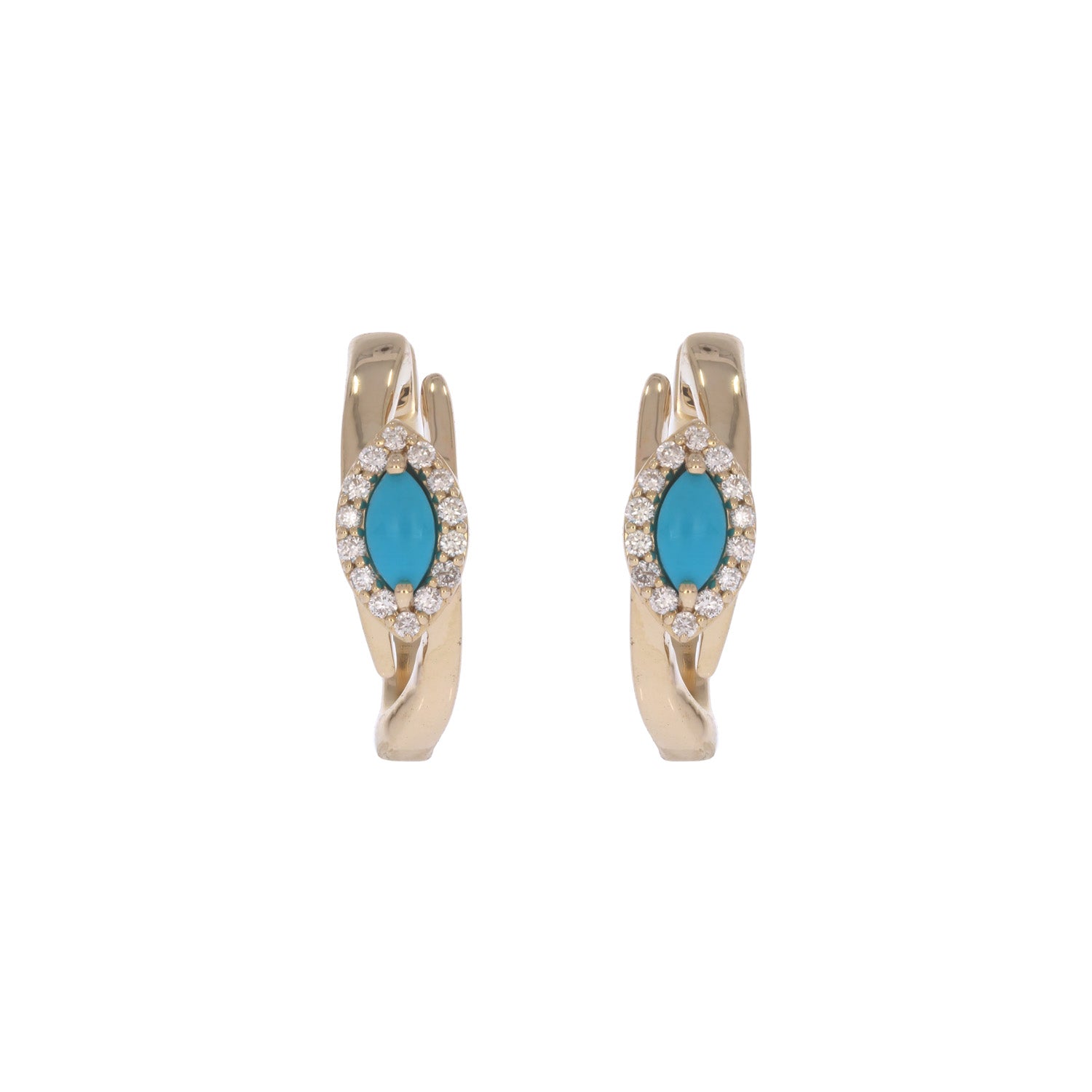
How to clean sterling silver earrings calls for extra care around posts and backs, where soap residue can build up if not rinsed fully. A soft toothbrush works well here since it gets into small crevices around earring backs without needing anything abrasive.
Cleaning Sterling Silver Flatware and Silverware
How to clean sterling silver silverware at a larger scale uses the same foil and baking soda principle, just scaled up. Line a full sink or a large baking dish with foil, use roughly one cup of baking soda per gallon of hot water, and submerge the pieces so they're all touching the foil.
How to clean sterling silver flatware sets with ornate handles or monograms sometimes need a second pass with a soft brush in the detailed areas after the foil soak, since decorative crevices don't always release tarnish completely in the water bath alone. Dry every piece completely before storing, since damp storage is exactly what restarts the tarnishing process.
Gold Plated Sterling Silver and Moissanite Pieces Need Gentler Care
How to clean gold plated sterling silver is different from cleaning plain silver, since the gold layer sitting on top is thin and can wear away with the same baking soda scrubbing that's fine for solid silver. Stick to mild soap, warm water, and a very soft cloth here, skip the paste and skip the foil bath entirely, since both can be too aggressive for a plated surface over repeated use.
How to clean moissanite sterling silver jewelry follows a similar gentle rule. Moissanite itself is durable and can handle soap and water without issue, but the metal setting around it should be treated the same as any other silver piece, mild cleaning for the band, a soft brush around the stone's edges to clear buildup without scrubbing the stone itself.
Also Read: Solid Gold Jewelry That Won't Tarnish — Ever (Here's Why)
Checking for a 925 Stamp
If you're not sure whether a piece is genuine sterling, look for a small "925" stamp, usually inside a ring band or near a clasp. That number refers to the 92.5% silver purity standard. How to clean 925 sterling silver at home follows every method above exactly, since 925 is simply the official marking for sterling silver, not a different material.
What Not to Do
A few common habits actually make tarnish worse over time, not better:
- Toothpaste isn't a silver polish. Many contain abrasive particles meant for enamel, not metal, and can leave fine scratches on softer sterling silver surfaces.
- Skipping the rinse after baking soda leaves a dull, chalky residue once the piece dries.
- Storing silver loose in a bathroom drawer speeds up tarnishing because of the humidity from showers.
- Wearing silver in a pool or hot tub exposes it to chlorine, which reacts with the metal faster than normal air does.
Anti-tarnish pouches or simply wrapping pieces in a soft cloth before storing them in a drawer slows the whole process down considerably, which means less frequent cleaning overall.
Frequently Asked Questions

Sterling Silver Diamond Cut Long and Short Link Necklace
VIEW PRODUCT
Sterling Silver Ball and Cube Necklace
VIEW PRODUCT
Sterling Silver Curb Monaco Necklace
VIEW PRODUCT
Sterling Silver Smooth Paperclip Necklace
VIEW PRODUCTHow often should I clean my sterling silver jewelry?
Every 2 to 4 weeks with the soap and water method if you wear it often. Save the baking soda or foil methods for when actual tarnish shows up, since they don't need to happen on a fixed schedule.
Can I use vinegar to clean sterling silver?
Yes, a mix of white vinegar and baking soda works as an alternative to the foil method, though it tends to be slower and is better suited to lightly tarnished pieces rather than heavily blackened ones.
Does cleaning sterling silver too often damage it?
The foil and baking soda methods are safe occasionally, but frequent use on the same piece, especially anything with a plated or antique finish, can wear it down faster than normal wear would.
Is it safe to clean sterling silver with stones in it?
Depends on the stone. Hard stones like diamonds or sapphires handle any method fine. Softer or porous stones like opal, pearl, turquoise, and emerald should only be cleaned with mild soap and a soft cloth.
Why does my silver tarnish faster than other people's?
Higher humidity, regular perfume or lotion contact, and higher natural skin acidity all speed up tarnishing. It's mostly about environment and body chemistry, not the quality of the piece itself.
Can I use a silver polishing cloth instead of these methods?
Yes, for light tarnish a polishing cloth alone often works and skips the water entirely. For heavier tarnish or hard-to-reach detail work, the baking soda or foil methods are more thorough.