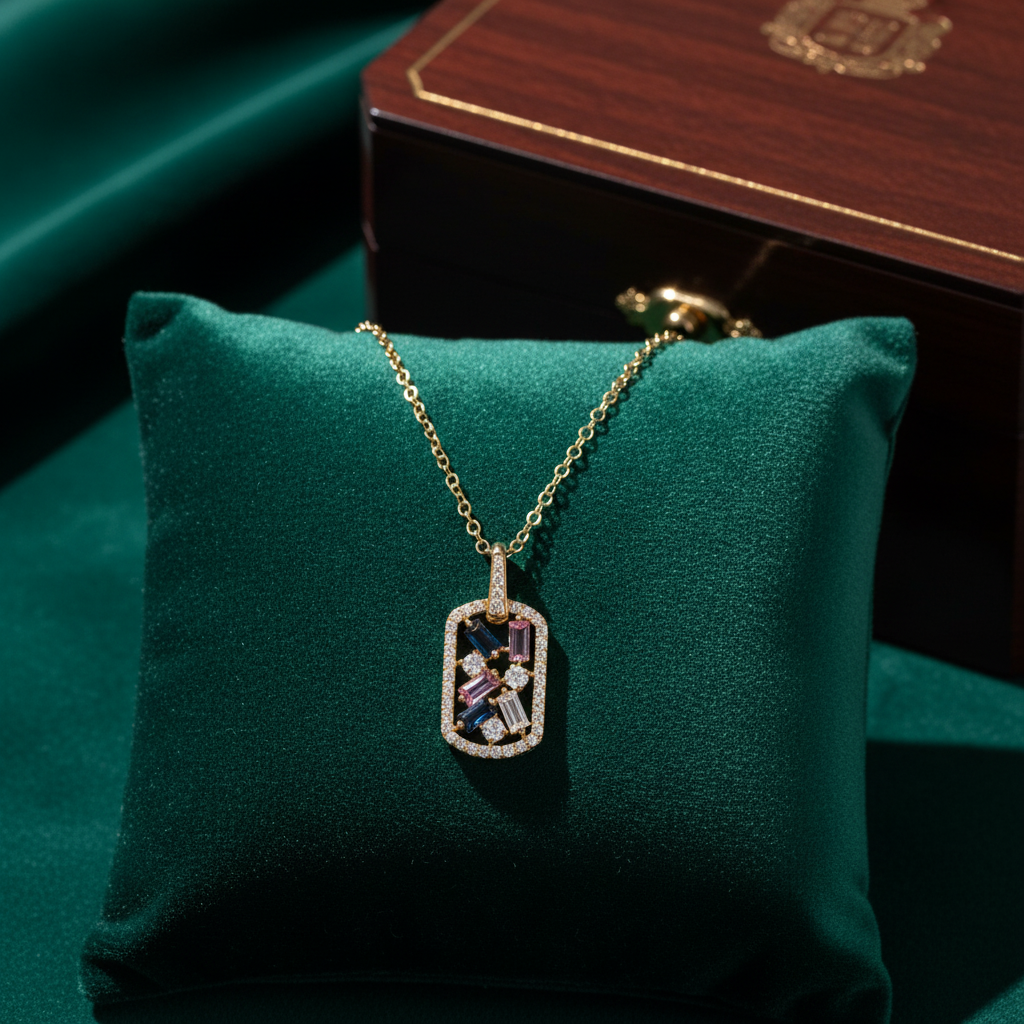

The most reliable starting point is the karat stamp on the piece itself. Most gold jewelry carries a small marking somewhere on the metal, usually a number like 14K, 18K, or a numeric code like 585 or 750. That said, stamps wear down over time, get left off entirely by some manufacturers, or show up in formats that aren't obvious at first glance. When a marking is missing, worn smooth, or you just want to be sure, professional testing is the only way to know for certain how to tell what karat gold jewelry is.
What Does Karat Mean in Gold Jewelry?
Karat measures how much pure gold is in a piece, not how much it weighs. The scale runs from 24K, which is close to pure gold, down through the karats commonly used in jewelry.
24K is about 99.9% gold. 22K comes in around 91.7%. 18K sits at 75% gold. 14K is roughly 58.3% gold, and 10K is about 41.7%. The remaining percentage in each case is made up of other metals, like copper, silver, zinc, or nickel, mixed in to create an alloy.
Lower karats aren't a lesser version of gold. They're a different balance of purity and hardness, which is why karat matters just as much for durability as it does for value.
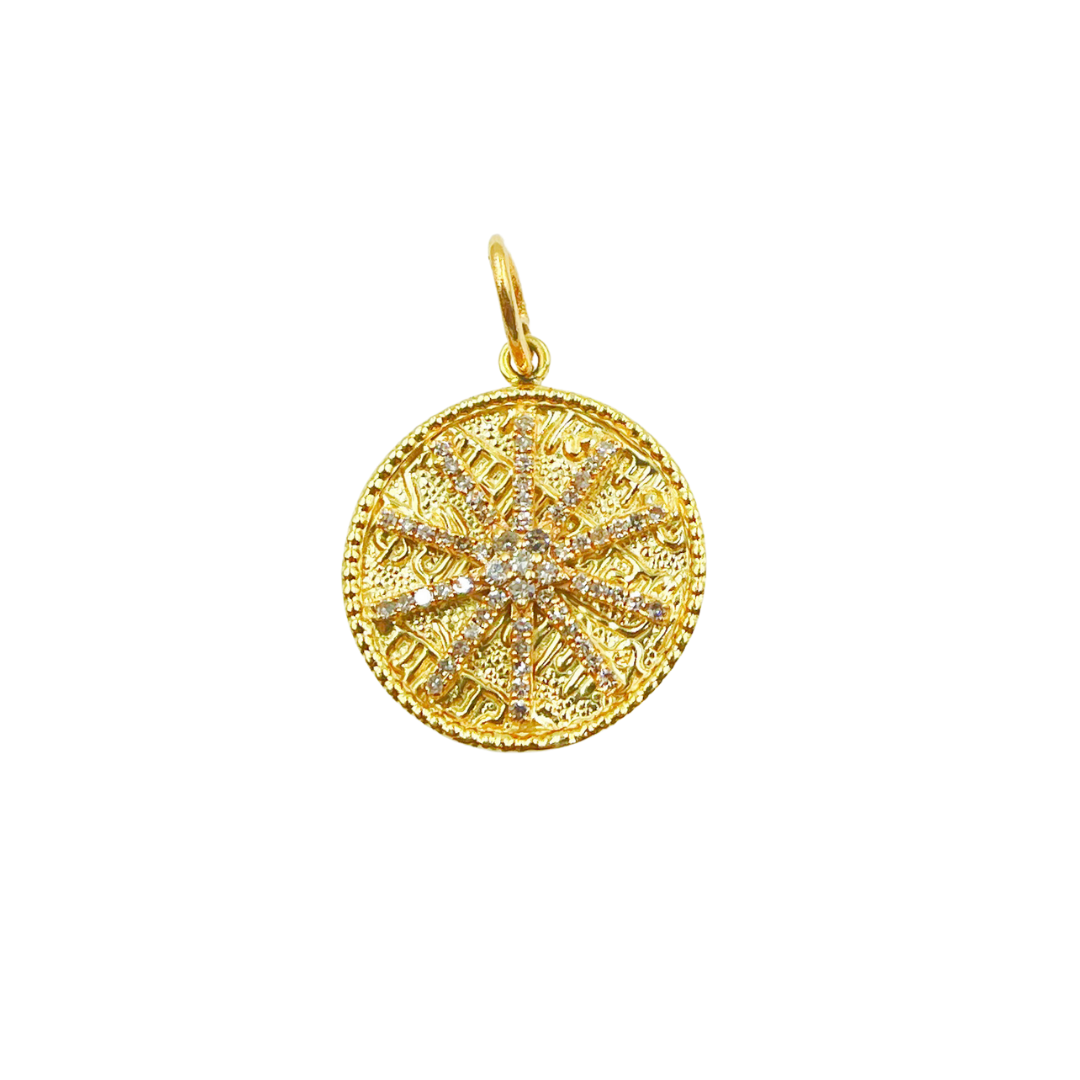
14K Solid Gold with Diamonds Circle Shape Charm with Star in the Center
VIEW PRODUCT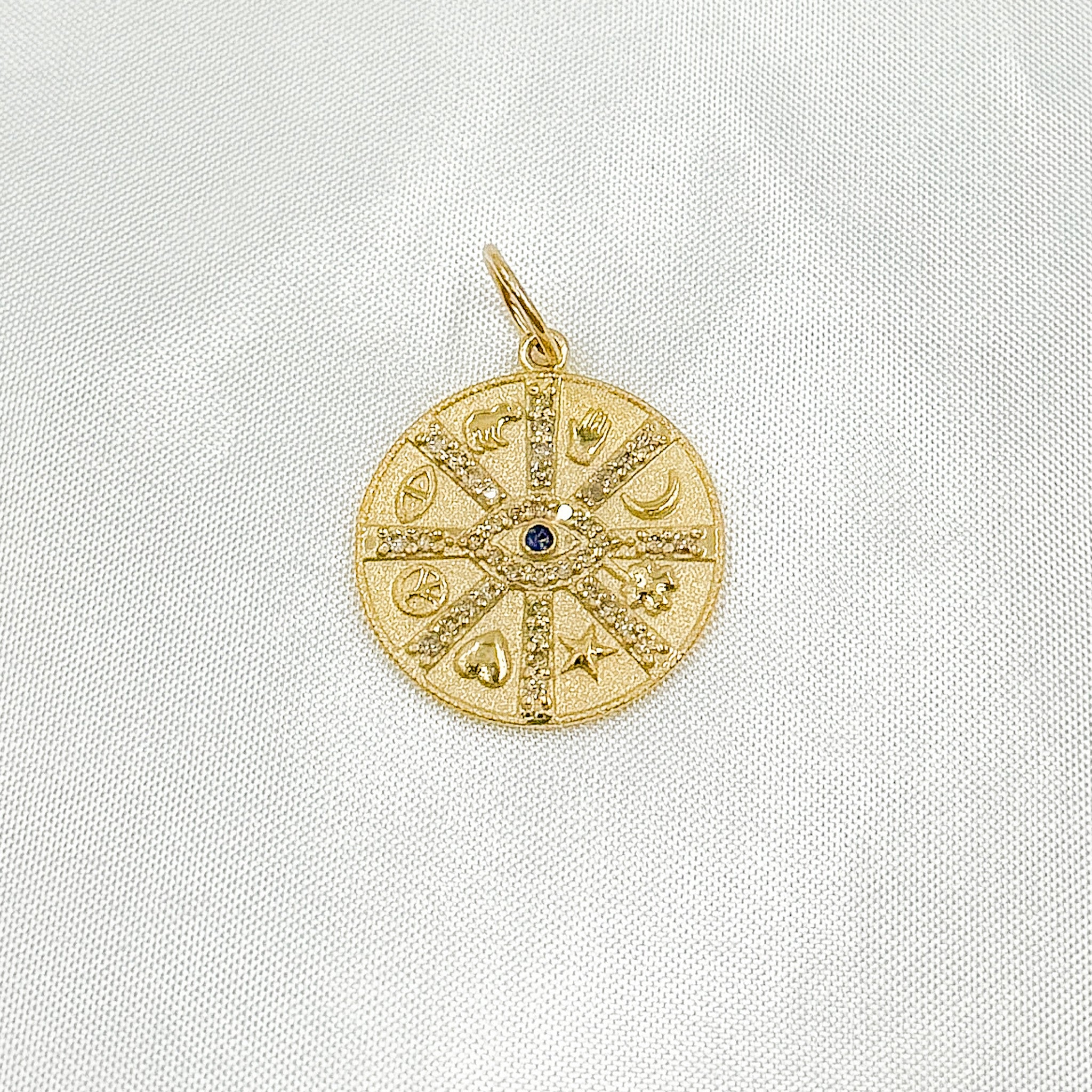
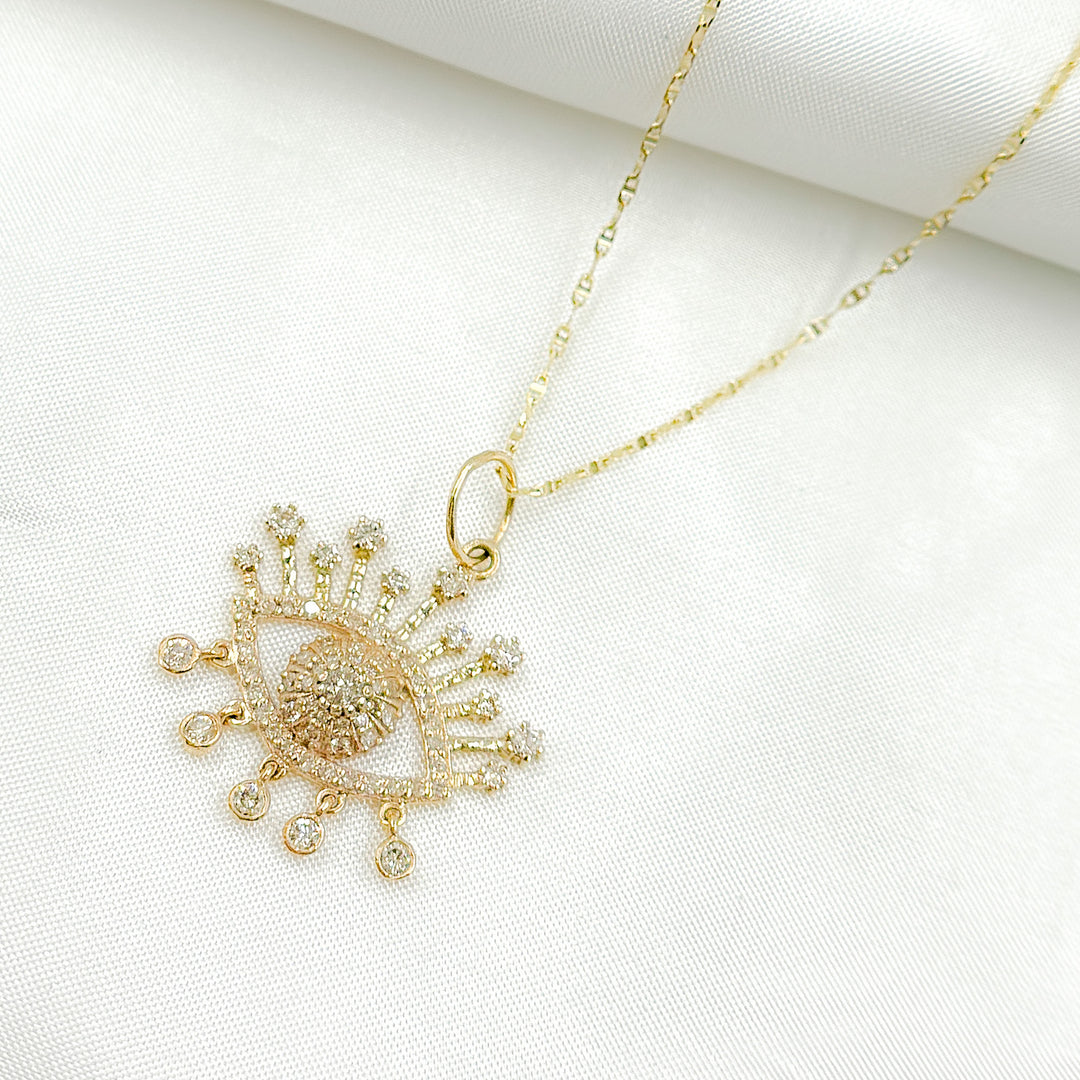
14K Solid Gold Diamonds and Gemstone Circle Charm with Symbols and Evil Eye
VIEW PRODUCT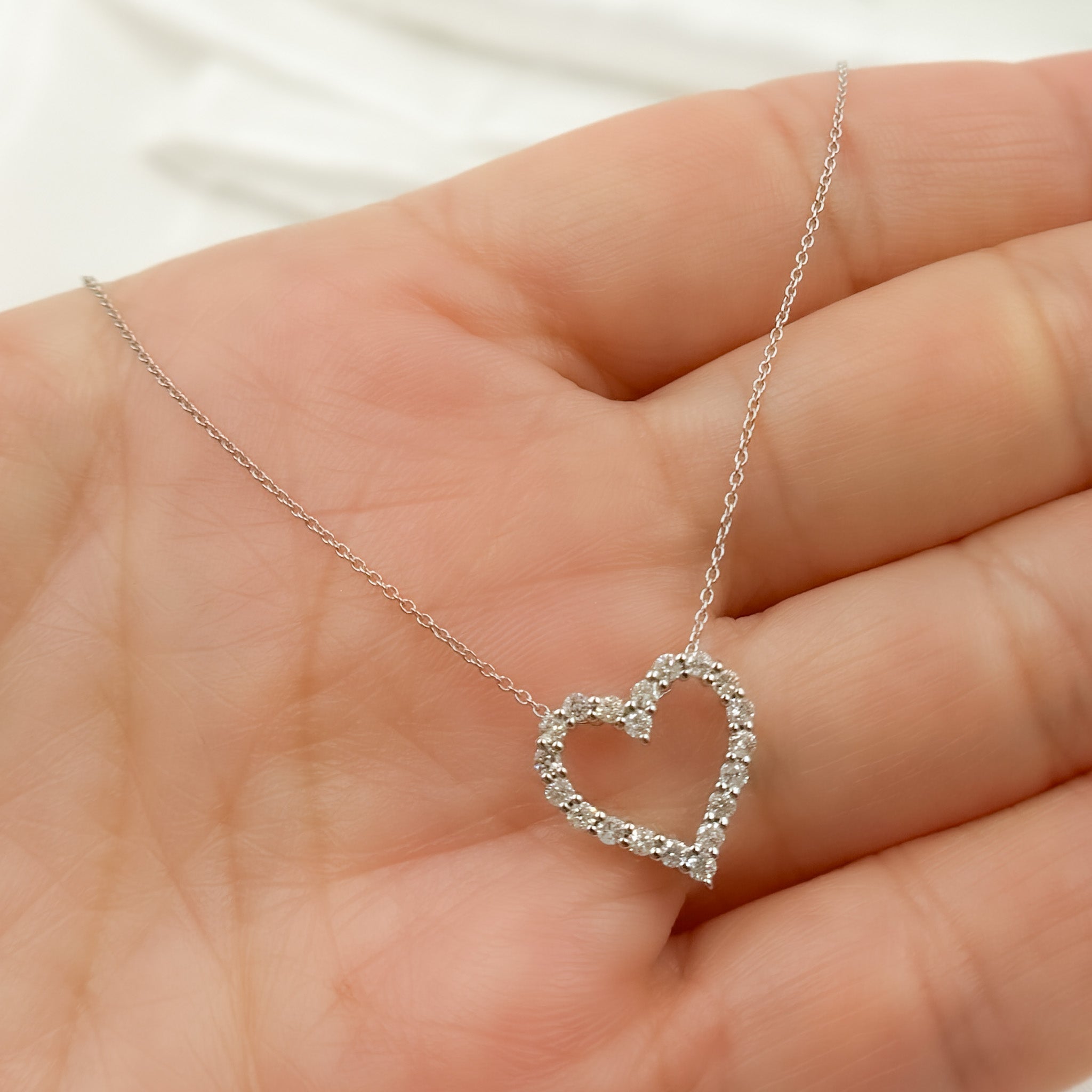
14K Solid Gold Diamond Heart Shape Necklace
VIEW PRODUCT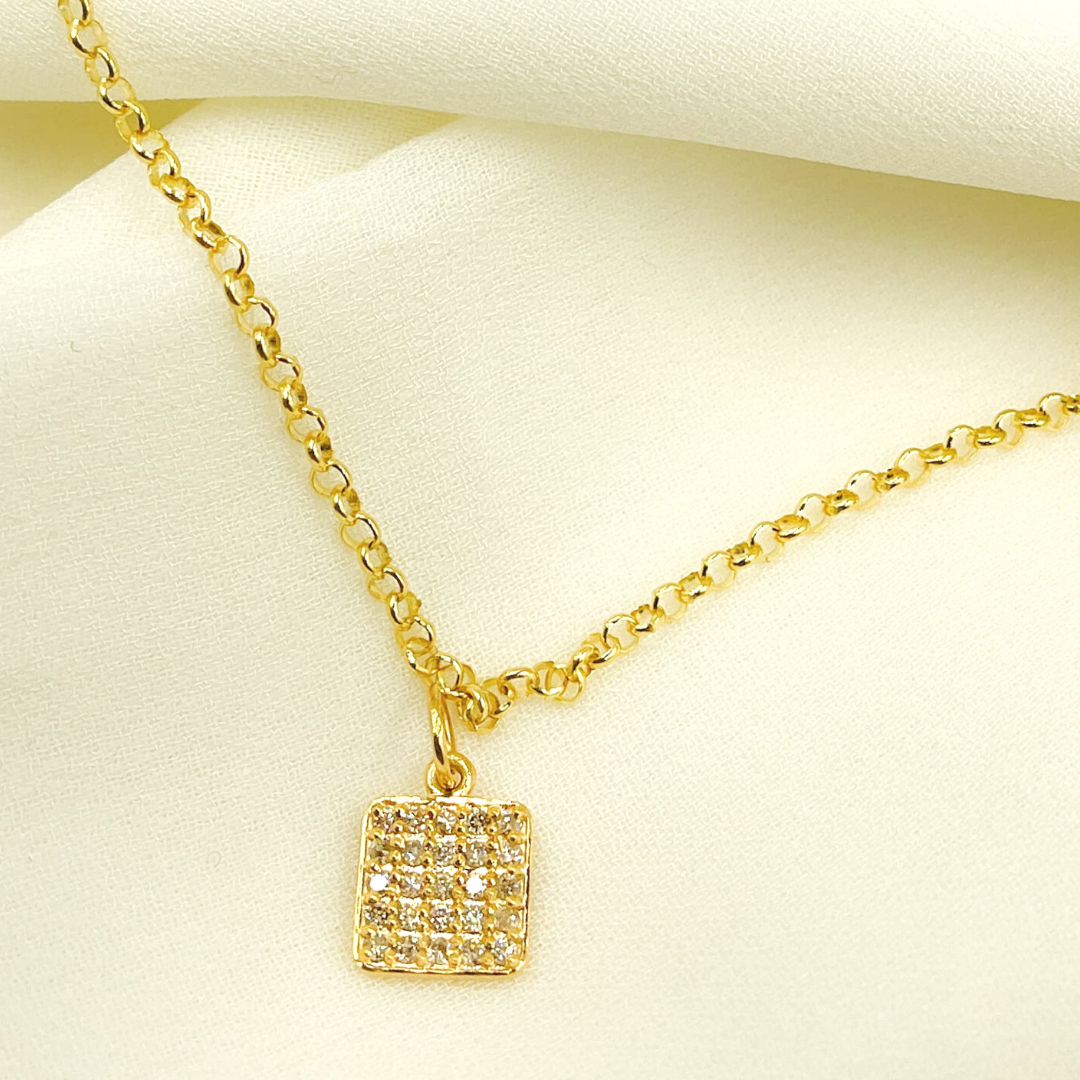
14K Solid Gold with Diamonds Square Shape Charm
VIEW PRODUCTCheck the Gold Karat Marking
Karat stamps are usually small, so you may need decent light or a loupe to read them clearly. Common stamps include 24K, 22K, 18K, 14K, and 10K, though not every country uses the karat letter format.
Many pieces instead carry a three-digit number based on parts per thousand. 999 corresponds to 24K, 916 to 22K, 750 to 18K, 585 to 14K, and 417 to 10K. These numeric marks are common on jewelry made outside the US, so seeing "750" instead of "18K" doesn't mean anything is off.
Marking systems vary by country and by manufacturer, so there's no single universal format to expect. Stamps typically show up in specific spots: inside a ring band, near a necklace clasp, on a bracelet's clasp, or on the post or back of an earring. Not every piece has a visible stamp though. Some older items, custom pieces, or heavily worn jewelry may have no legible marking at all.
If you're comparing new pieces, most solid gold chains and necklaces list the karat directly in the product details, which saves you from hunting for a stamp after the fact.
How to Tell If Gold Is 14K or 18K
The clearest way is the stamp itself. A piece marked 14K or 585 contains about 58.3% gold. One marked 18K or 750 contains 75% gold.
If the marking is missing or unreadable, color alone won't settle it. Alloy composition and surface finish both affect how a piece looks, so two chains at different karats can appear nearly identical, and two chains at the same karat can look noticeably different depending on what metals were used in the mix. A jeweler can usually narrow things down visually based on experience, but an actual test is what confirms it. Reputable sellers typically list the exact karat for each item, the way Tresor Jewelry Inc. does across its 14K solid gold necklaces collection, so you're not relying on guesswork at the point of purchase.
Can You Tell Gold Karat by Looking at It?
Usually not reliably. Color gives hints, not answers.
Yellow gold shifts in tone depending on which metals were alloyed in in, so 14K and 18K yellow gold don't always look distinctly different side by side. White gold often has a rhodium plating over it, which masks the base color of the gold underneath and can make two different karats look identical until that plating wears off. Rose gold gets its pink tone from copper content, and the exact ratio varies by manufacturer.
Lighting changes how gold reads too. A piece can look warmer under incandescent light and cooler under daylight, without any change to its actual purity. Wear and polishing affect surface appearance as well, sometimes making a piece look shinier or duller than its karat would suggest. Visual inspection is a starting point for a guess, not something to rely on for a real answer.
How to Test Gold Karat at Home
A few methods are accessible without a jeweler, though they range widely in reliability.
Checking markings comes first, since it's the fastest and least invasive option, and often all you need. A magnet test can rule out certain fake pieces, since many base metals used in imitation jewelry are magnetic. But it doesn't confirm real gold. Plenty of non-gold metals, including some used in genuine jewelry findings, are non-magnetic too, so passing this test proves very little on its own.
Acid testing kits are more informative but come with real risk. They involve rubbing the metal on a testing stone and applying acid, which can damage or discolor a piece if not done carefully, especially on thin or delicate items. This isn't something to try on jewelry you'd be upset to scratch.
Electronic gold testers use electrical resistance to estimate purity and are less invasive than acid, though results can vary based on the device and how it's used. Density or specific gravity testing, which compares a piece's weight to its volume, can offer a useful clue for solid, unset pieces, but it gets far less reliable with gemstones, hollow construction, or mixed metals involved.
None of these home methods should be treated as a scratch-and-find-out experiment on anything valuable. If you're unsure, a professional check is worth the short trip.
How Professionals Test Gold Purity
Jewelers and appraisers have access to methods that go beyond what's practical at home. Acid testing done by a trained professional is more controlled and precise than a DIY kit, since they know how to interpret subtle color reactions. Electronic testers used professionally tend to be more calibrated and consistent than consumer versions.
XRF analysis, which uses X-ray fluorescence to read a metal's composition without damaging it, is one of the more accurate non-destructive options available and is commonly used by jewelers and appraisers for exactly this reason.
Professional testing makes the most sense when a piece is valuable, when markings are missing or unclear, when you're buying from a source you don't fully trust, or when you're selling and need a documented result. No single method is flawless in every situation, which is part of why professionals often combine more than one when the stakes are higher.
What Do Gold Hallmarks and Numbers Mean?
|
Karat |
Approximate Gold Content |
Common Marking |
|
10K |
41.7% |
10K or 417 |
|
14K |
58.3% |
14K or 585 |
|
18K |
75% |
18K or 750 |
|
22K |
91.7% |
22K or 916 |
|
24K |
99.9% |
24K or 999 |
Hallmarking isn't standardized worldwide, so a piece made in one country may use a different marking convention than one made elsewhere, even at the same karat. It's also worth keeping karat (K) separate from carat (ct) in your head. Karat measures gold purity. Carat measures the weight of a gemstone or diamond. They sound alike but describe two completely different things.
Does Gold Color Tell You the Karat?
Not on its own. Yellow, white, and rose gold each come from different alloy mixes, and none of those colors is locked to a specific karat.
Both 14K and 18K gold exist in yellow, white, and rose versions. The difference between two karats of the same color usually comes down to subtle tone and how the alloy was blended, not something most people can spot by eye. A trained jeweler can sometimes make an educated guess based on color and weight together, but it's still a guess until it's tested or the stamp is confirmed.
Why 14K Gold Is Popular for Jewelry
14K strikes a practical middle ground. It has enough gold content to look and feel like genuine fine jewelry, while the alloy metals mixed in give it more resistance to scratching and bending than higher-karat gold.
That combination makes it a common choice for pieces meant for regular wear, like chains and necklaces worn often rather than saved for special occasions. It isn't inherently better than 18K or 22K. It's a different set of tradeoffs, favoring durability and daily practicality over maximum gold content. Tresor Jewelry Inc. focuses much of its solid gold collection around 14K for that same reason, since it holds up well for customers who want to wear a piece consistently.
14K vs 18K Gold: Which Should You Choose?
Neither is universally better. It depends on what you're prioritizing.
18K has more pure gold, which gives it a richer color and higher intrinsic value, but the softer composition means it's more prone to scratching and general wear over time. 14K has less pure gold but holds up better under daily friction and movement, which makes it a common pick for jewelry worn constantly rather than occasionally.
Price tends to follow purity, so 18K generally costs more for a comparable piece. If you want maximum gold content and don't mind a bit more upkeep, 18K makes sense. If you want something practical for everyday wear at a lower price point, 14K is usually the better fit. Personal preference plays a real role here too, since some people simply prefer the deeper tone of higher-karat gold.
When Should You Get Gold Jewelry Professionally Tested?
A few situations call for it specifically. If the stamp is missing entirely, or the marking is too worn to read clearly, testing is the only way to know what you actually have.
Inherited jewelry is a common case, since older pieces sometimes predate consistent hallmarking or use formats that are hard to identify today. Anything with significant value is worth confirming before you make decisions based on assumptions. Buying from an uncertain source, like an unfamiliar online seller or a private sale, is another good reason to verify before paying based on a stated karat. The same goes for selling, where a buyer will likely want documented proof anyway. And if authenticity is genuinely disputed between two parties, a professional result settles it in a way a magnet or a guess never will.
How to Check Gold Purity Before Buying Jewelry
A short checklist helps before you commit to a purchase.
Check the karat marking directly if the piece is in front of you. Ask the seller about the exact metal composition if it isn't listed. Verify the product specifications against what's actually stamped on the piece when possible. Understand whether you're looking at solid gold, gold-filled, or gold-plated construction, since all three get marketed differently and behave very differently over time. If solid gold is what you're after, it helps to know how it differs from hollow construction too, since both get labeled "gold" but wear very differently. Request documentation when it's a higher-value purchase, since a reputable seller should be able to provide it. Buy from a seller with a track record you can verify. And treat unusually low prices for a stated karat as a reason to ask more questions, not necessarily as a red flag on its own.
Frequently Asked Questions About Gold Karat
How can you tell what karat gold jewelry is?
Start with the karat stamp, usually a number like 14K or a numeric code like 585. If it's missing, worn, or unclear, visual inspection alone won't confirm it. Professional testing through a jeweler is the reliable next step.
How can you tell if gold is 14K or 18K?
The stamp is the clearest indicator, marked either as 14K/585 or 18K/750. Without a readable stamp, color and weight can offer hints, but they aren't definitive. A jeweler can test the piece directly for a confirmed answer.
What do gold karat markings mean?
They indicate how much pure gold is in a piece out of 24 parts. A 14K stamp means 14 out of 24 parts are gold, or about 58.3%. Numeric marks like 585 or 750 use parts per thousand instead of the karat scale.
How can I check gold purity at home?
Checking the stamp is the safest first step. Magnet tests can rule out some fakes but don't confirm real gold. Acid kits and electronic testers offer more insight but carry some risk of damage if used carelessly on delicate pieces.
Is 585 gold the same as 14K?
Yes. 585 refers to 58.5 parts gold per thousand, which rounds to the same purity as 14K gold, about 58.3%. It's simply a different labeling convention used more commonly outside the US.
Is 750 gold the same as 18K?
Yes. 750 means 75 parts gold per thousand, which matches 18K gold at 75% purity. Both markings describe the same purity level, just using different numbering systems depending on where the piece was made.
Can you tell gold karat by color?
Not reliably. Color depends on the alloy mix, not just the karat. Different karats can share similar tones, and white gold's rhodium plating can hide the base color entirely until it wears down over time.
Is a magnet test enough to identify real gold?
No. A magnet test can rule out some magnetic fake metals, but plenty of non-gold materials are also non-magnetic. Passing the test doesn't confirm gold content or karat. It only eliminates a narrow set of obvious fakes.
What is the most accurate way to test gold purity?
XRF analysis is one of the more accurate non-destructive options, commonly used by professionals. Acid testing done by a trained jeweler is also reliable. Both outperform home methods in accuracy and consistency.
What is the difference between karat and carat?
Karat (K) measures gold purity out of 24 parts. Carat (ct) measures the weight of a gemstone or diamond. They're pronounced similarly and often confused, but they measure entirely different things on entirely different scales.