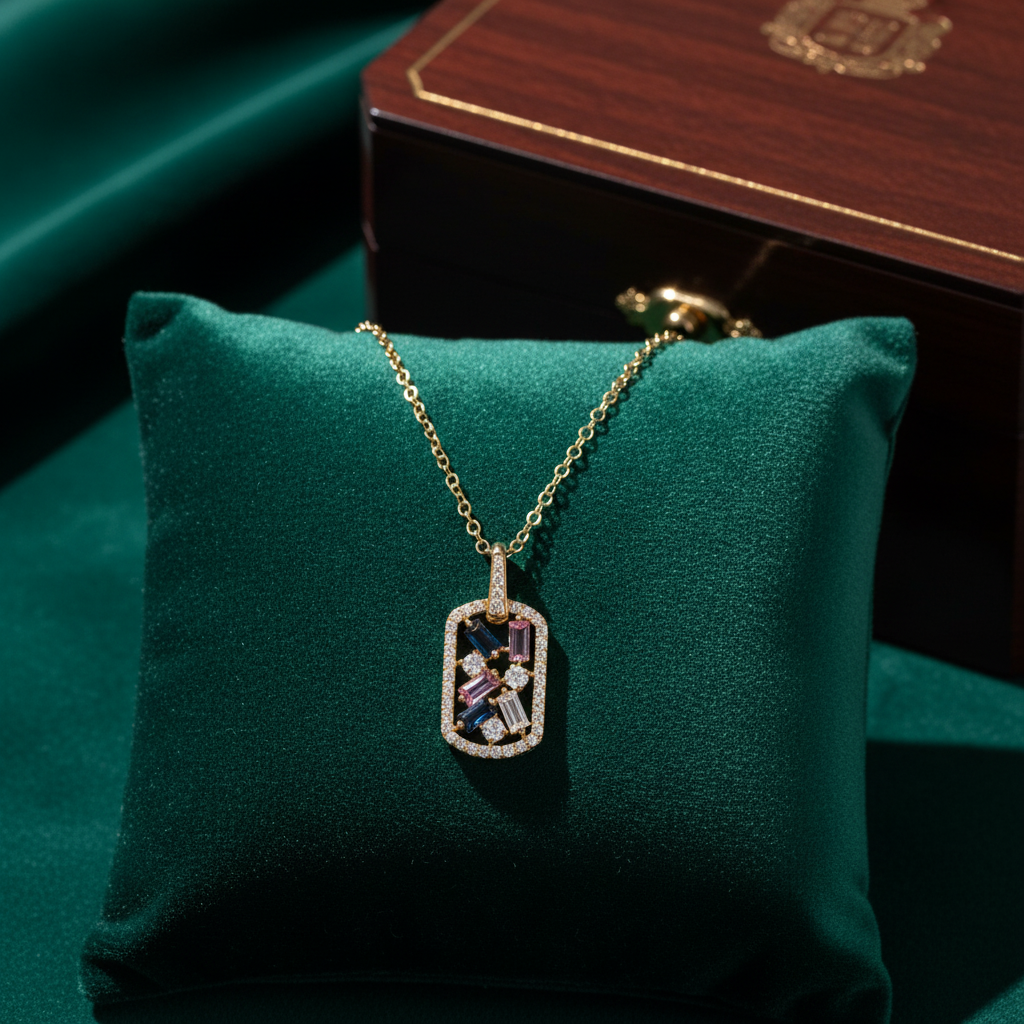

Yes, a properly chosen solid gold chain can generally be worn every day. That said, "everyday wear" isn't a blanket guarantee. How well a chain holds up depends on its construction, thickness, style, the activities you do while wearing it, and how you care for it. A thin, delicate chain and a heavy Cuban link will not behave the same way after a year of daily use, even if both are 14K solid gold. If you're deciding whether a chain is right for daily use, the material is only part of the answer. The rest comes down to build and habits.
Can You Wear a Solid Gold Chain Every Day?
The short answer is yes. Solid gold is made of gold alloy all the way through, not a coating over another metal, so it doesn't wear thin or flake with regular use the way plated jewelry can. That's the main reason people ask can you wear a solid gold chain every day in the first place. They want something they can put on once and mostly forget about, not a piece that needs constant babying.
14K is the karat most commonly recommended for daily wear, and there's a practical reason for that. It has less pure gold than 18K or 22K, which means it's alloyed with more of the harder metals that resist scratching and bending. Solid gold also doesn't require the same removal-before-everything caution that gold-plated pieces do, since there's no thin surface layer to protect. But everyday wear doesn't mean every activity. Sleeping in a chain every night, working out in it, or swimming with it on will still take a toll over time, on any gold chain regardless of karat.
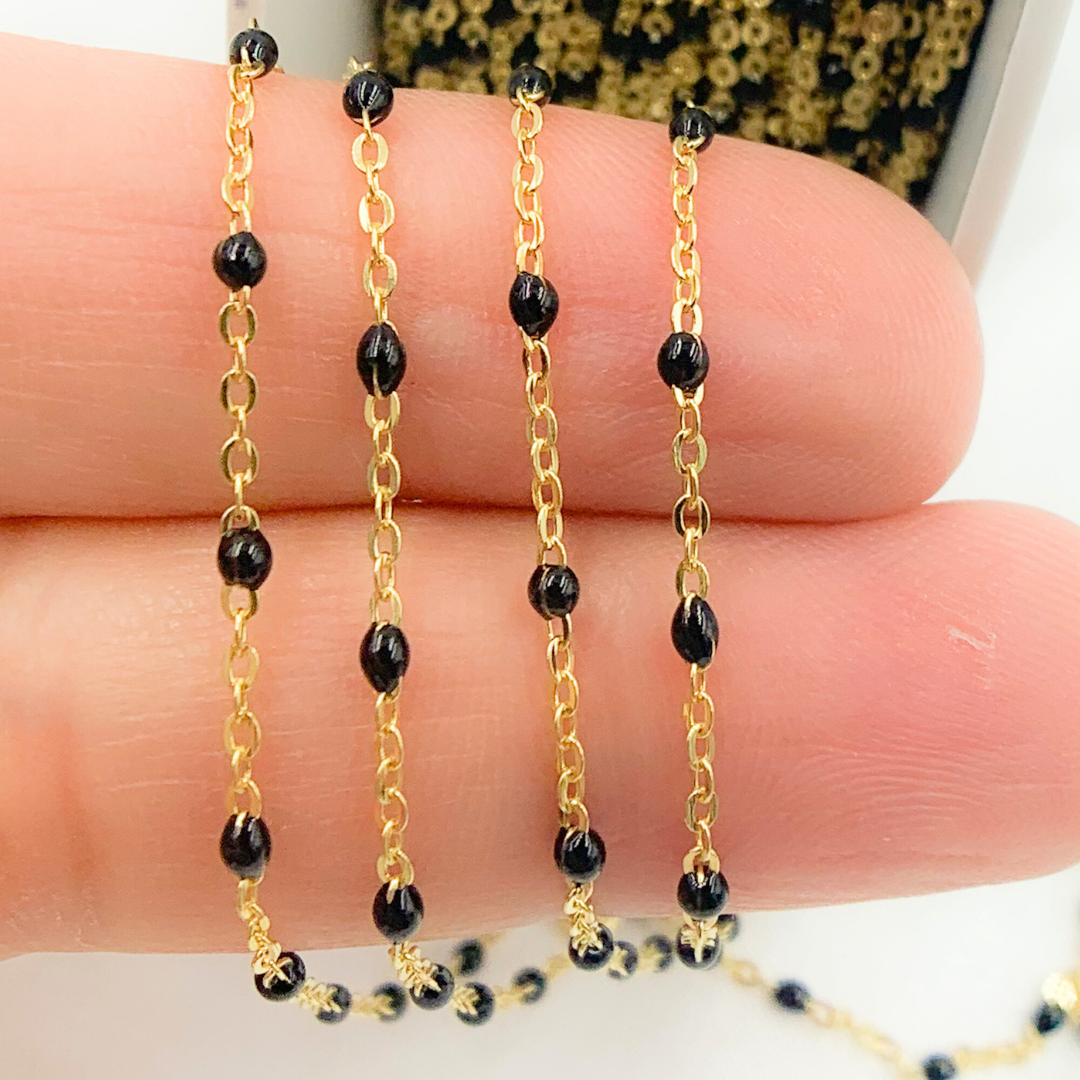
14K Solid Yellow Gold Enamel Black Color Cable Chain
VIEW PRODUCT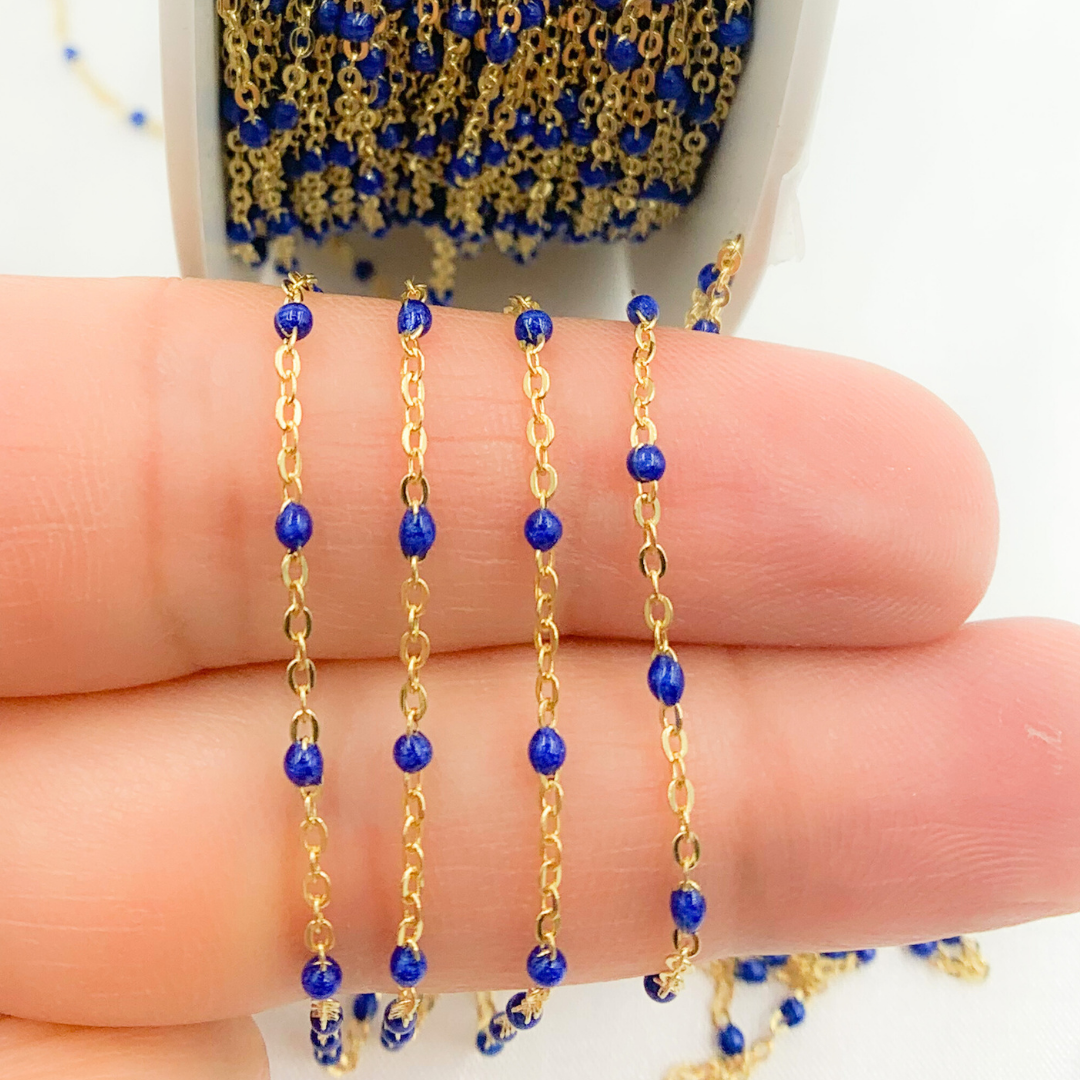
14K Solid Yellow Gold Enamel Navy Blue Color Cable Chain
VIEW PRODUCT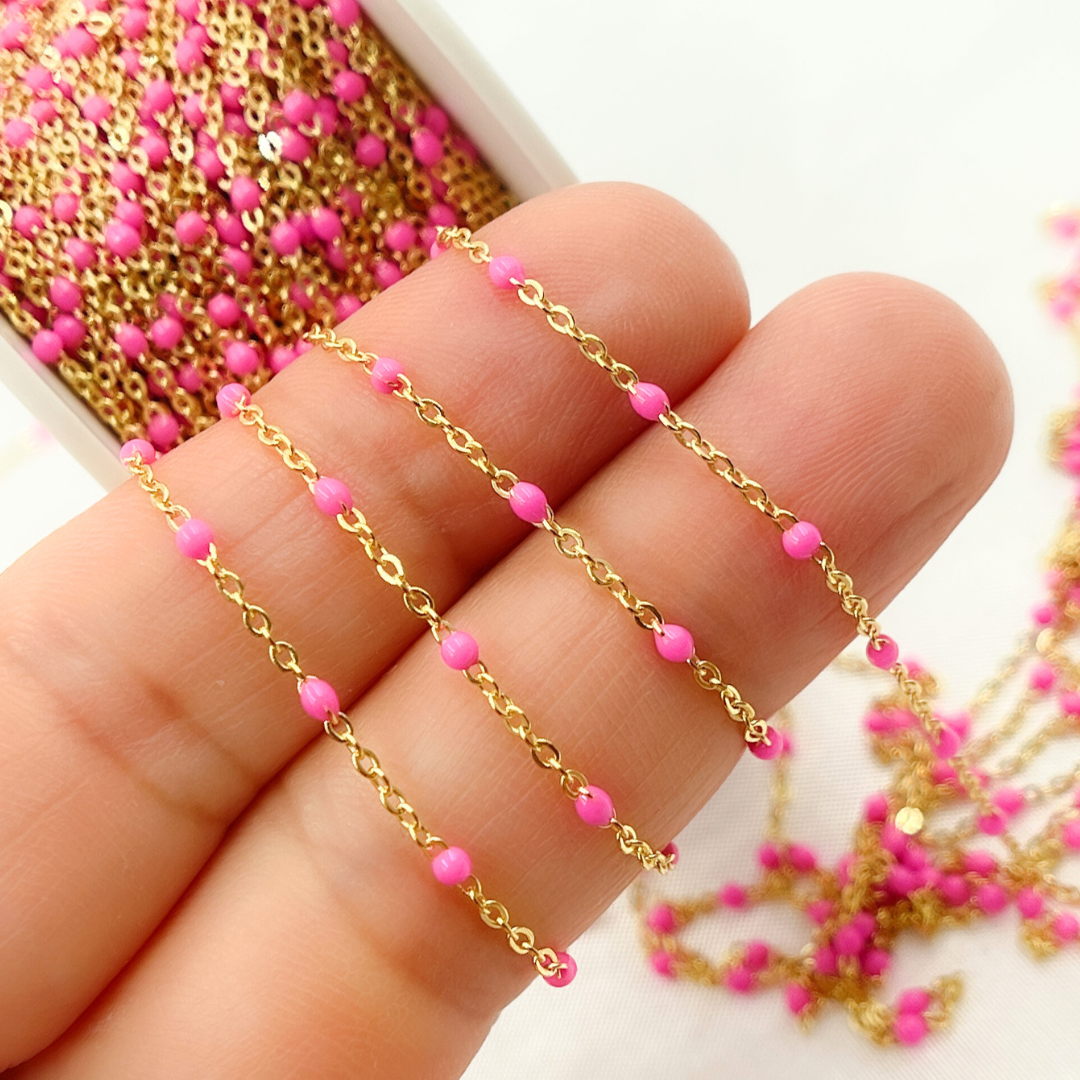
14k Solid Gold Cable Pink Enamel Chain
VIEW PRODUCT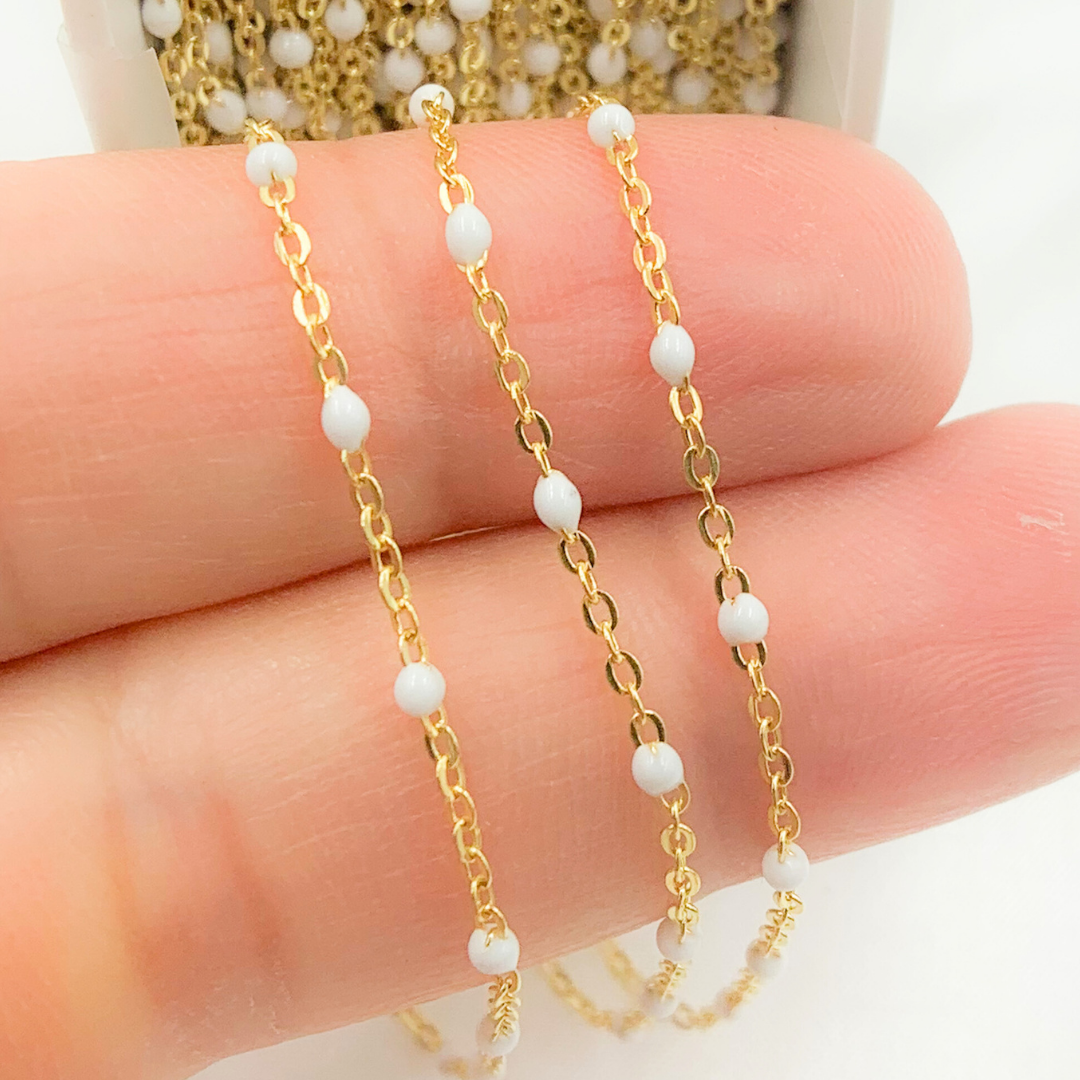
14K Solid Yellow Gold Enamel White Color Cable Chain
VIEW PRODUCTWhy 14K Solid Gold Works Well for Daily Wear
14K gold contains about 58.3% pure gold, with the rest made up of alloy metals like copper, silver, or zinc. That alloy mix is what gives a 14k solid gold chain daily wear durability that higher-karat gold usually can't match. Pure gold on its own is soft. Even 22K, which is closer to pure, dents and scratches more easily than 14K.
The tradeoff works in favor of anyone wearing their chain often. 14K holds its shape better under regular tension and friction, whether that's from clothing, a car seatbelt, or just the natural movement of the day. It still has enough gold content to keep the warm, rich color people want from real gold, so you're not sacrificing appearance for durability.
None of this makes 14K indestructible. It can still scratch under enough friction, bend under enough force, or eventually show wear at stress points like the clasp. What it offers is a realistic balance. Enough gold to look and feel like genuine jewelry, enough hardness to survive daily life without constant repair. Browse Tresor's 14K solid gold chains to see how thickness and karat come together in the current collection.
Solid Gold vs Gold-Plated and Gold-Filled Chains for Everyday Wear

These three terms get mixed up often, and the confusion matters when you're buying something meant to be worn daily.
Solid gold means the gold alloy runs through the entire piece. There's no base metal underneath. If the surface gets a light scratch, you're still looking at gold, not something else showing through. For a deeper breakdown, see Tresor's piece on solid gold vs hollow chains.
Gold-filled jewelry is different. It has a solid layer of gold mechanically bonded to a base metal, usually brass. That layer is much thicker than plating, which is why gold-filled pieces tend to hold their color for years with reasonable care. It's a middle ground between solid gold and plated jewelry, both in construction and in price. Tresor's gold-filled chains collection is a good comparison point if you're weighing the two.
Gold-plated jewelry has the thinnest gold layer of the three, applied through electroplating over a base metal. That layer can wear thin faster with daily friction, sweat, and contact with skin oils, especially at points where the chain rubs against clothing or other jewelry.
None of this means gold-filled or plated jewelry is poor quality. Plenty of people wear gold-filled pieces daily for years without issue. The difference is what happens over time and with wear. Solid gold simply doesn't have a surface layer that can wear away, which is why it's the more predictable choice for someone who wants to wear one chain constantly without thinking about it.
Does Chain Style Matter for Everyday Wear?
Solid gold construction is only half the story. Chain style affects how a piece handles daily movement, and Tresor's collection includes several worth comparing.
Cuban link chains are dense and flat, with tightly interlocked links. That construction makes them resistant to twisting and tangling, which is part of why they've become a popular choice for daily wear, especially in heavier gauges.
Rope chains are made of tightly twisted links that catch light well, but the twist can also mean more friction points against skin and clothing over time. Thinner rope chains are more prone to kinking if pulled or snagged.
Figaro and curb chains sit somewhere in between. Figaro's alternating link pattern gives it a distinctive look with decent flexibility, while curb chains have flattened, interlocking links that lie fairly flat against the skin, which reduces some daily snagging.
Wheat and mariner chains have more intricate link structures, which can look more delicate visually even in solid gold. They're generally fine for daily wear but may show wear at connection points faster under repeated heavy pulling.
Paperclip and box chains are more minimal, with paperclip's elongated oval links and box's cube-shaped links. Both work well for everyday wear and for layering, though paperclip's larger open links can be more prone to snagging on fabric than a tighter box chain.
No single style is universally best. A thick Cuban chain works well for someone who wants one sturdy piece worn constantly and rarely removed. A paperclip or box chain suits someone layering multiple pieces who wants a cleaner, flatter profile. The right choice depends on how you'll actually wear it.
Can You Sleep, Shower, or Exercise While Wearing a Gold Chain?
This is where most of the actual wear and tear happens, so it's worth going through case by case.
Sleeping in a chain isn't ideal, though it won't damage a solid gold piece overnight. Tossing and turning creates repeated pulling and friction, which over months can stress clasps and thinner links. If you sleep restlessly, taking the chain off at night will extend its life.
Showering occasionally with a chain on won't ruin it, but soap residue and hard water minerals can build up in the links over time, especially on textured styles like rope. It's a habit worth avoiding rather than a one-time risk.
Exercise is one of the more demanding scenarios. Sweat, friction against gym equipment, and the chance of a chain catching on something during movement all add up. A quick walk is low risk. Weightlifting or contact sports carry more.
Swimming pools expose gold to chlorine, which can be harsh on metal over repeated exposure, and chlorine can also affect certain alloy metals in the mix. The beach adds salt water, sand, and often sunscreen or lotion residue, all of which can dull a chain's shine faster than normal wear.
None of these will damage a solid gold chain the first time you forget to take it off. The risk builds with repetition. A reasonable rule: keep it on for normal daily life, take it off for anything involving heavy sweat, chemicals, or physical impact.
What Can Damage a Solid Gold Chain?
Solid gold resists a lot, but it isn't immune to damage. The most common culprits are mechanical, not chemical.
Repeated pulling and snagging on clothing, bags, or seatbelts stresses links over time, especially at the clasp. Heavy pendants worn on a chain that's too thin for their weight put constant strain on the links, which can eventually stretch or separate.
Friction from other jewelry, tight collars, or rough fabric wears down the surface gradually. Harsh chemicals like chlorine, strong cleaning products, and some perfumes and lotions can react with the alloy metals in the gold over repeated contact, even if the pure gold itself is stable.
Accidental impact, like catching a chain on a doorknob or during rough manual work, can bend or break weaker points. And a worn or poorly maintained clasp is often the actual failure point on an otherwise sturdy chain. The gold itself is only part of the equation. Construction quality and daily habits matter just as much.
How to Choose the Best Gold Chain for Everyday Wear
If you're shopping for the best gold chain for everyday wear, a few factors matter more than the marketing copy usually suggests.
Karat is the starting point. 14K balances gold content with hardness better than higher karats for regular use. Chain width and weight come next. Thicker, heavier links generally hold up better to daily friction and pulling than delicate, thin chains, though thin chains can still work fine for lighter, more careful wear.
Length matters for comfort and for how much the chain moves during the day. Link construction affects flexibility and snag resistance, as covered above. Clasp quality is worth checking closely. A weak spring ring or bent lobster clasp is often what fails first, regardless of how strong the chain itself is.
Think about whether you'll wear a pendant, and choose a chain thickness that can support the weight without excess strain. If you layer chains, flatter styles like box or paperclip tend to sit better against each other. Budget plays a role too, since thicker solid gold chains cost more simply because they contain more gold by weight. Tresor's 14K yellow gold chains span several widths if you want to compare options side by side. There's no single "best" chain here. There's a best chain for your specific habits and lifestyle.
How to Care for a Solid Gold Chain
Care for a solid gold chain doesn't need to be complicated, but a few habits make a real difference over time.
Wipe the chain down with a soft cloth after wearing it, especially if you've been sweating or wearing perfume or lotion that day. Keep it away from harsh chemicals like bleach, chlorine, and strong household cleaners. Remove it before swimming rather than risking repeated chlorine exposure.
Store it separately from other jewelry to avoid tangling and surface scratching from contact with harder gemstones or other metals. A soft pouch or a lined jewelry box works well. Periodically check the clasp and links for signs of wear, since catching a problem early is easier than dealing with a broken chain later.
For how to care for a solid gold chain, occasional cleaning with mild soap and warm water, followed by a gentle dry with a soft cloth, is usually enough. Skip abrasive polishing cloths or harsh jewelry cleaners unless a jeweler recommends them for your specific piece. If a chain looks dull or the clasp feels loose, a professional inspection is worth the trip.
How Long Can a Solid Gold Chain Last?
A well-made solid gold chain can realistically last for years, often decades, with reasonable care. There's no honest way to promise an exact number, since lifespan depends on too many variables to pin down.
Construction quality matters, as does thickness. A heavier chain simply has more material to wear through than a delicate one. How often you wear it, what activities you do while wearing it, how much tension it's under from pendants or daily movement, and how well the clasp holds up all factor in.
Solid gold doesn't degrade the way plated jewelry does, since there's no surface layer to wear away. But that doesn't mean every chain will last forever untouched. Links can still stretch, clasps can still weaken, and thin chains under heavy use will show wear faster than thick ones. Realistic expectations, paired with basic care, are what actually determine how long a chain stays wearable.
Is a Solid Gold Chain Worth Wearing Every Day?
For most people who want one reliable piece of jewelry, yes. Solid gold makes sense for daily wear because it doesn't flake, thin out, or lose its color the way plated jewelry eventually can. People who layer multiple chains regularly, or who simply prefer real gold over a coated alternative, tend to get the most long-term value from it.
That said, daily wear isn't the right call for everyone or every chain. Someone who does heavy manual labor, swims often, or works out intensely might prefer to save a delicate chain for regular wear and reach for something sturdier, or remove it, during those activities. It comes down to matching the chain to your actual routine rather than assuming any solid gold piece can handle anything.
Tresor Jewelry Inc.'s 14K solid gold necklaces and chain collection include Cuban, rope, Figaro, curb, wheat, mariner, paperclip, and box styles, in a range of thicknesses built with daily wear in mind. The right one depends on how you plan to actually live in it.
Frequently Asked Questions About Wearing Solid Gold Chains
Can you wear a solid gold chain every day?
Yes, in most cases. Solid gold holds up well to regular wear because the gold runs through the entire piece rather than sitting on the surface. How long it stays in good condition depends on the chain's thickness, construction, and how it's treated day to day.
Can you wear a 14K gold chain every day?
Yes. 14K is one of the more practical karats for daily wear because it balances gold content with added hardness from the alloy metals. It resists scratching and bending better than higher-karat gold, though it can still show wear over time with heavy use.
Can you shower with a solid gold chain?
Occasionally, without much issue. Regular showering can leave soap residue and hard water buildup in the links over time, particularly on textured chains. It's not damaging in a single instance, but it's a habit worth limiting rather than doing daily.
Can you sleep with a gold chain on?
You can, but it's not ideal. Tossing and turning creates repeated friction and pulling that stresses clasps and thinner links over months. Taking it off at night is a simple way to extend the chain's life if you're a restless sleeper.
Can you exercise while wearing a gold chain?
Light activity is generally fine. More intense exercise, especially anything involving heavy sweat, contact, or equipment, increases the risk of snagging or added wear. Removing the chain for intense workouts is a reasonable precaution.
Does solid gold tarnish?
Pure gold itself doesn't tarnish, but the alloy metals mixed into 14K gold can react slightly to things like chlorine, sweat, or certain chemicals over time. This usually shows up as dulling rather than true tarnish, and it can typically be cleaned away.
Is 14K gold better for everyday wear than 18K gold?
For most people, yes, in terms of durability. 14K has more alloy content, which makes it harder and more scratch-resistant than 18K. 18K has a richer gold color and higher gold content, but it's softer and shows wear more easily under daily conditions.
What is the best gold chain for everyday wear?
There isn't one universal answer. Thicker, sturdier styles like Cuban or curb chains tend to hold up well to frequent wear, while lighter styles like paperclip or box suit those who prefer a minimal look or plan to layer several chains together.
How do you care for a solid gold chain?
Wipe it down after wearing, keep it away from harsh chemicals and chlorine, and store it separately from other jewelry to prevent scratching and tangling. Occasional cleaning with mild soap and warm water is usually enough to keep it looking right.
Does a solid gold chain scratch?
Yes, it can. No metal used in jewelry is fully scratch-proof, and 14K gold is no exception. Fine surface scratches from daily wear are normal and often blend into the finish over time, though they're still worth being mindful of.
Can a solid gold chain break?
It's possible, though usually the result of a specific cause rather than everyday wear on its own. Repeated pulling, a heavy pendant paired with a thin chain, a weak or worn clasp, or accidental impact are the more common reasons a chain fails.
How is solid gold different from gold-filled jewelry?
Solid gold is gold alloy all the way through. Gold-filled jewelry has a thick layer of gold mechanically bonded over a base metal, usually brass. Gold-filled holds up well for a long time, but solid gold has no base metal underneath at all, so there's no layer to eventually wear through.