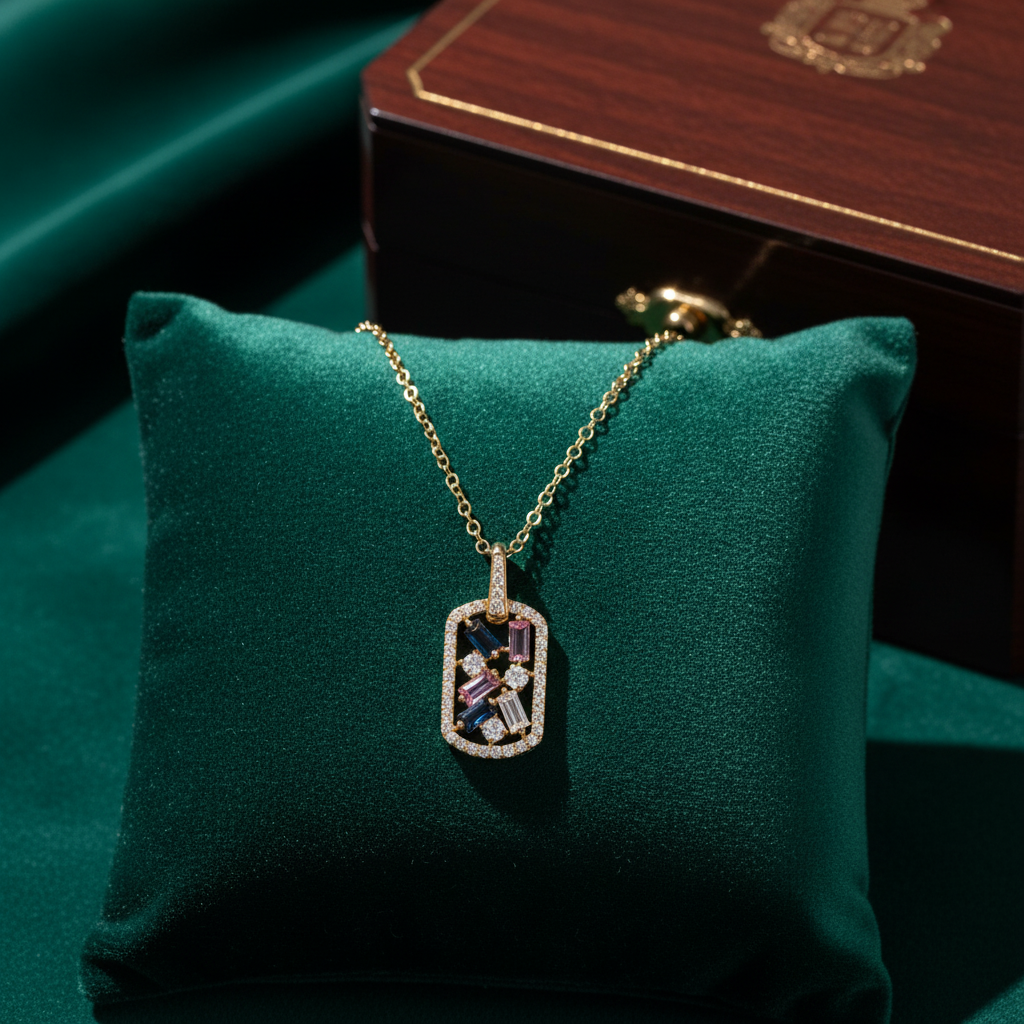

Solid Gold Jewelry That Won't Tarnish: The Complete Buyer's Guide
Spent good money on a gold necklace and three weeks later it's turning your neck green? Yeah. That's frustrating — and honestly, it's more common than it should be. The reason it keeps happening is pretty simple: most of what's sold as "gold jewelry" is not actually solid gold.
Once you understand the difference, buying gold jewelry that won't tarnish becomes a lot less confusing. This guide breaks it all down, no fluff, just what you actually need to know.
Why Does "Gold" Jewelry Tarnish in the First Place?
Here's the thing about real gold: it doesn't tarnish. Chemically it's one of the most stable metals out there. It doesn't react with oxygen, it doesn't react with water, and it won't corrode from everyday exposure.
So what's causing all that discoloration?
Cheap jewelry uses a base metal like copper or brass as the core, then coats it with a thin layer of gold on top. That coating wears off. Could take weeks, it could take months, but it goes. And the moment that base metal is exposed to your sweat and skin, it oxidizes. That green mark on your neck? That's the copper reacting, not the gold.
The gold was never the problem. It never is.
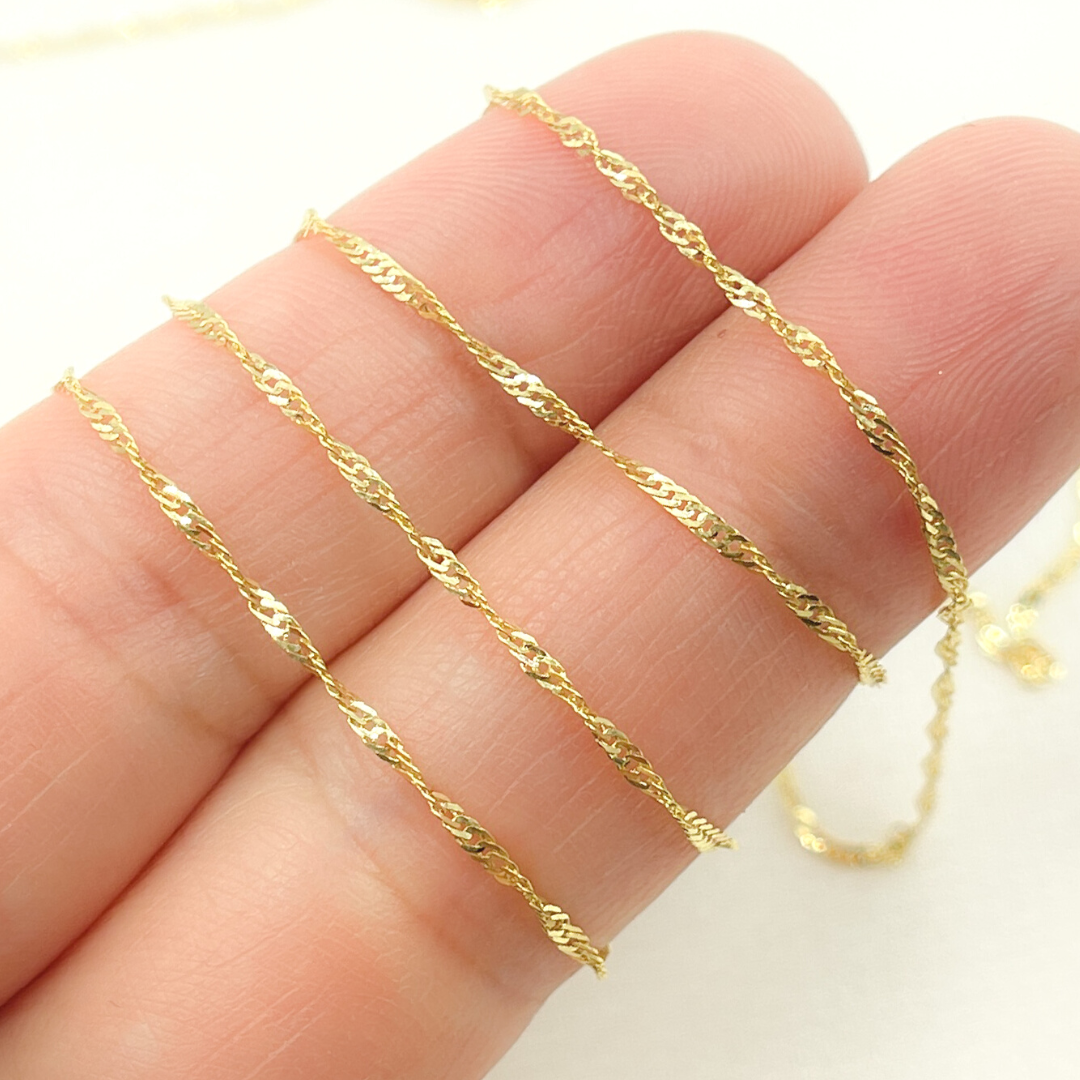
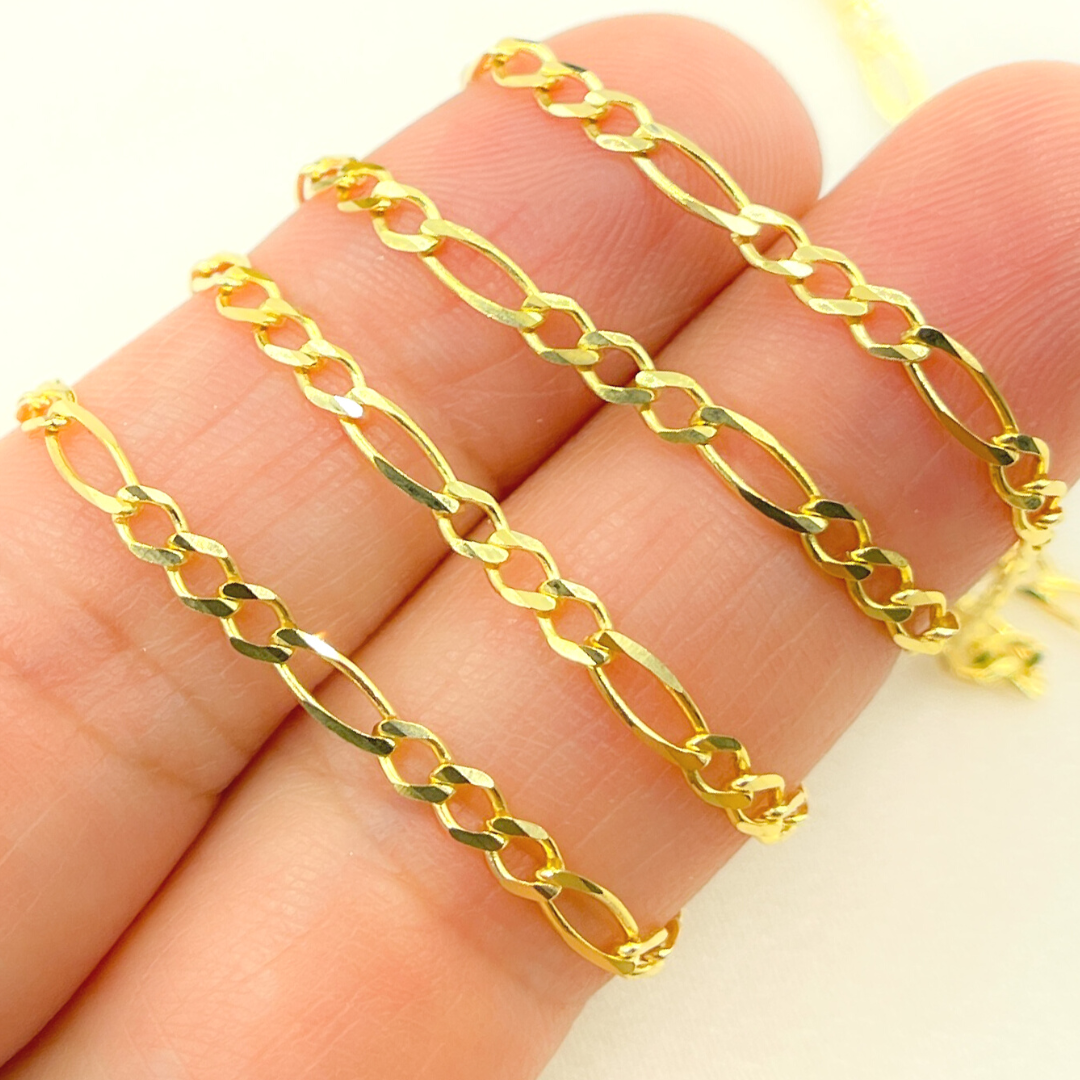


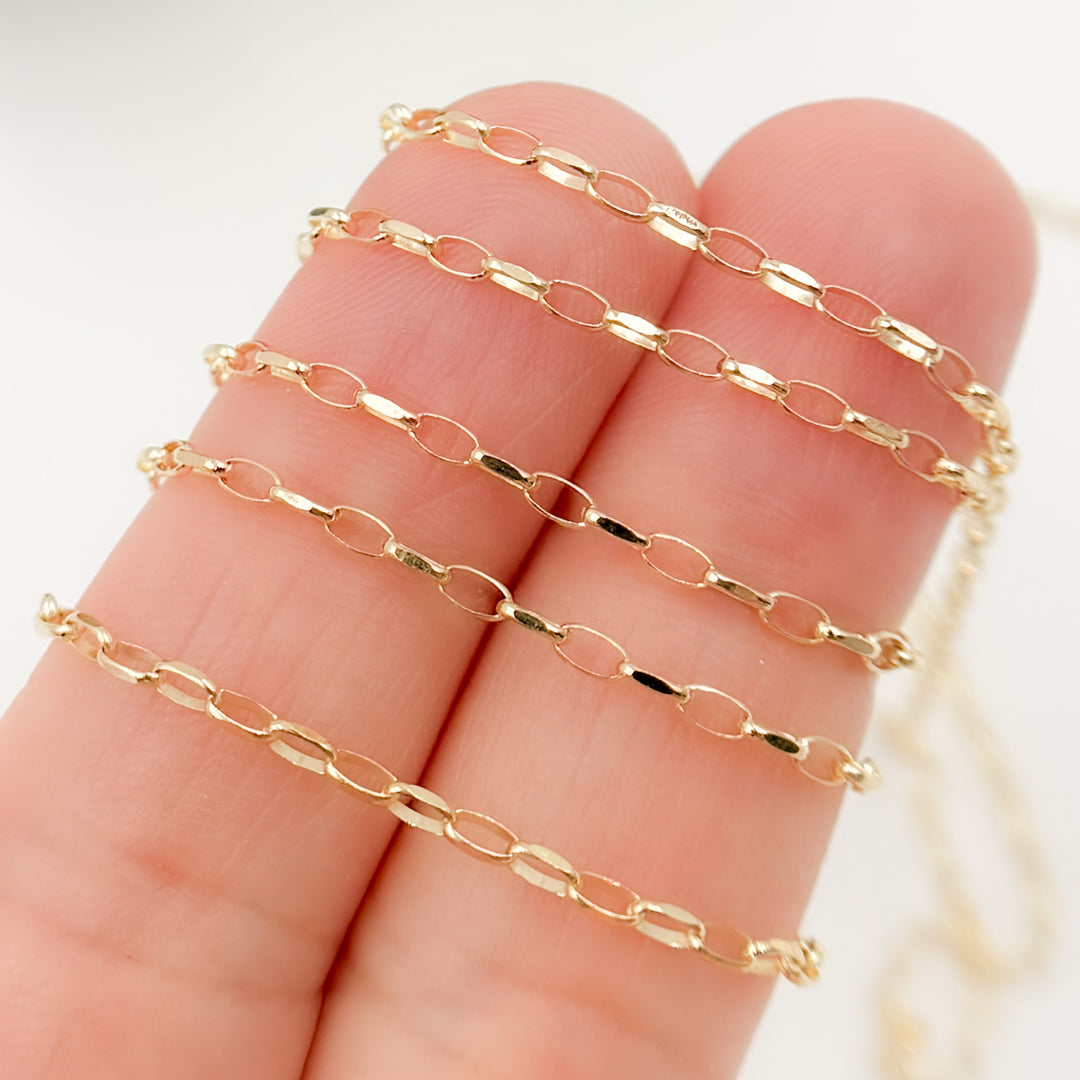

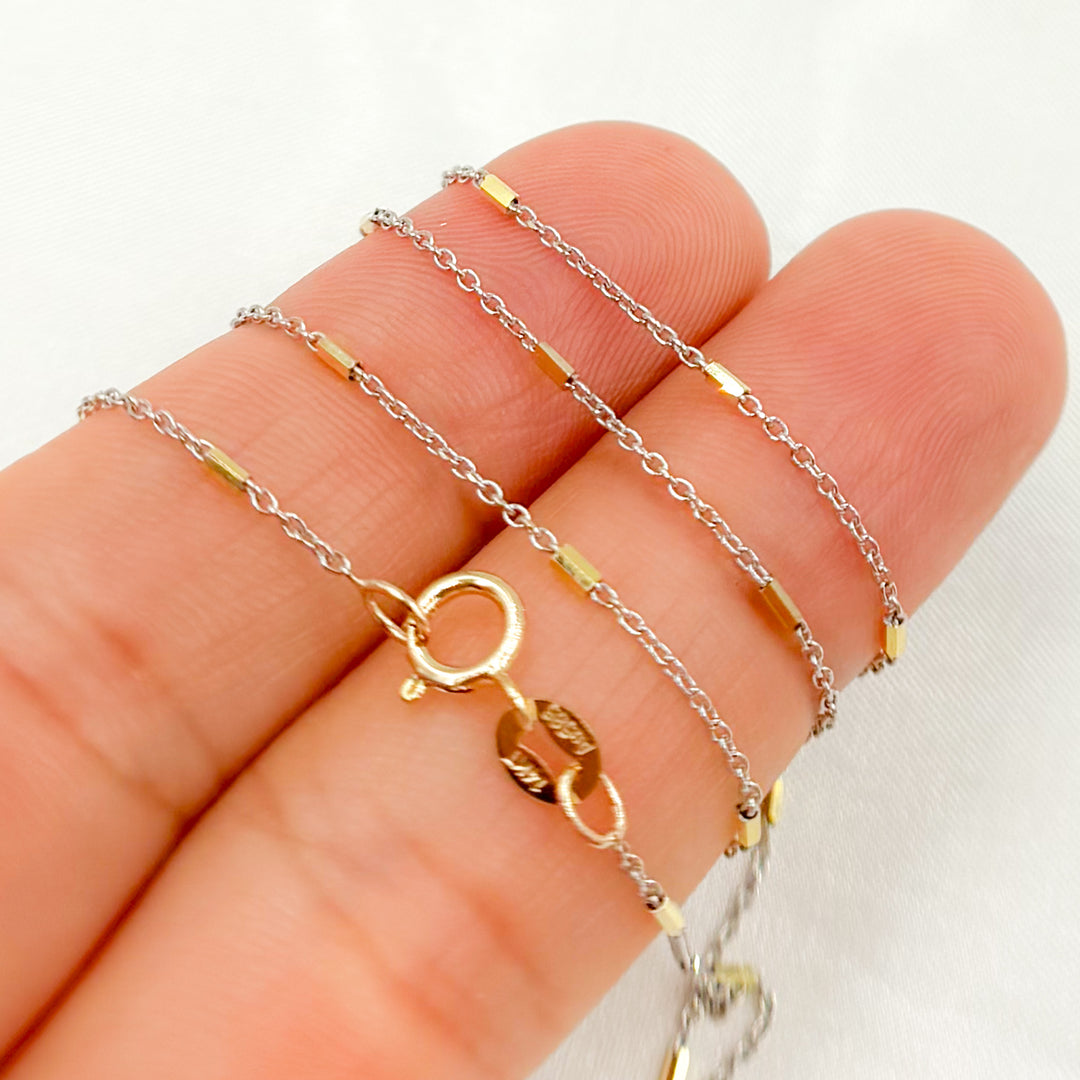
What Actually Makes Solid Gold Different?
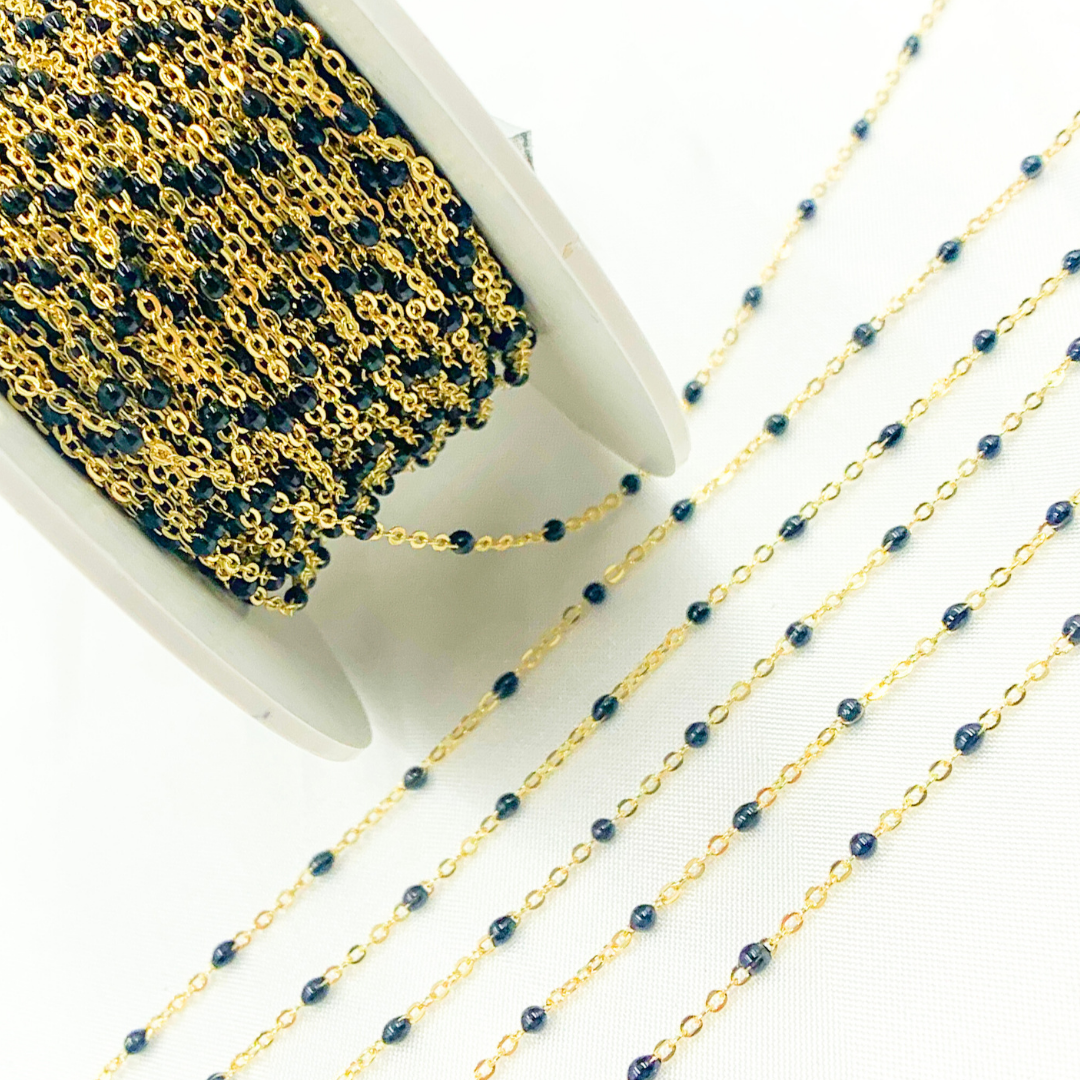
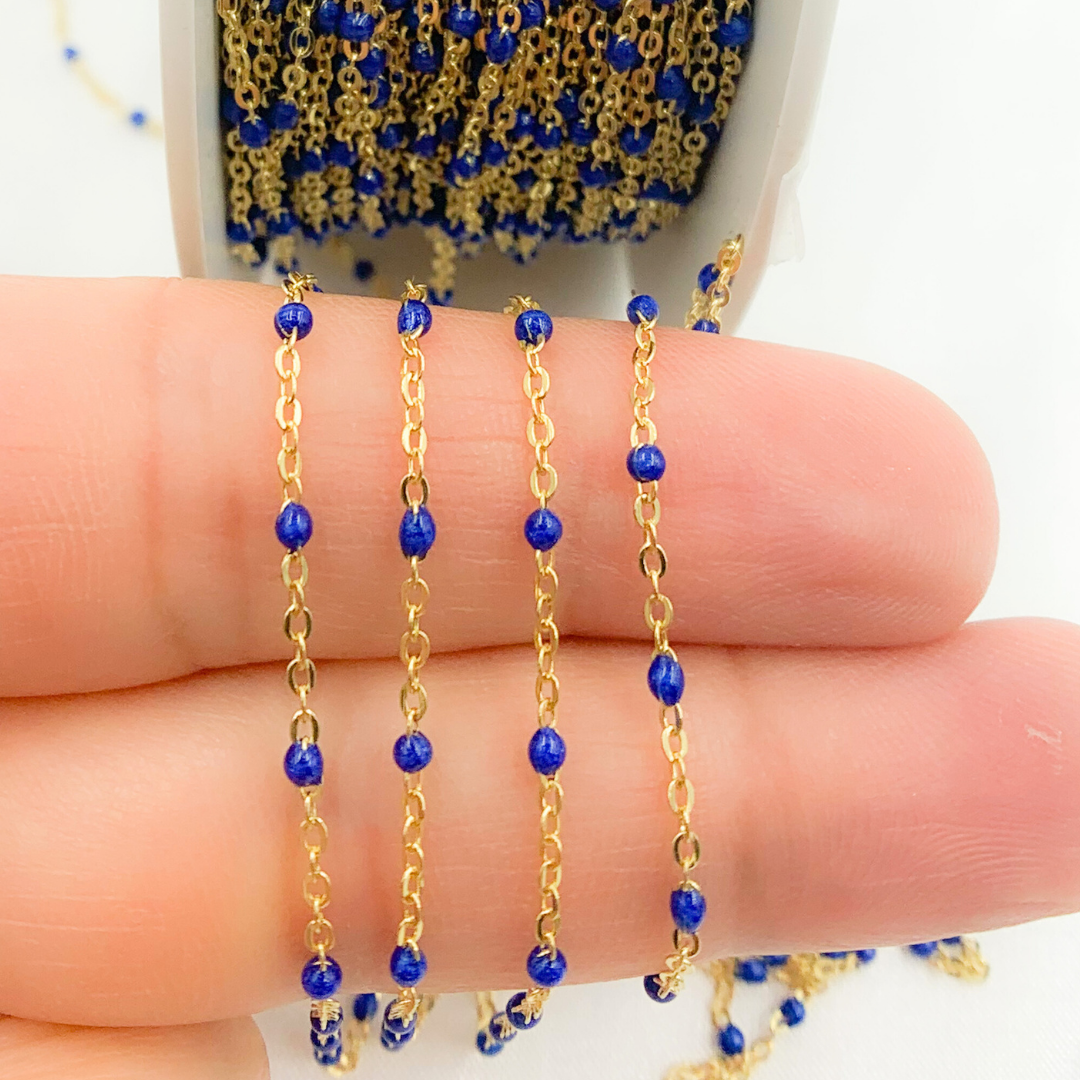
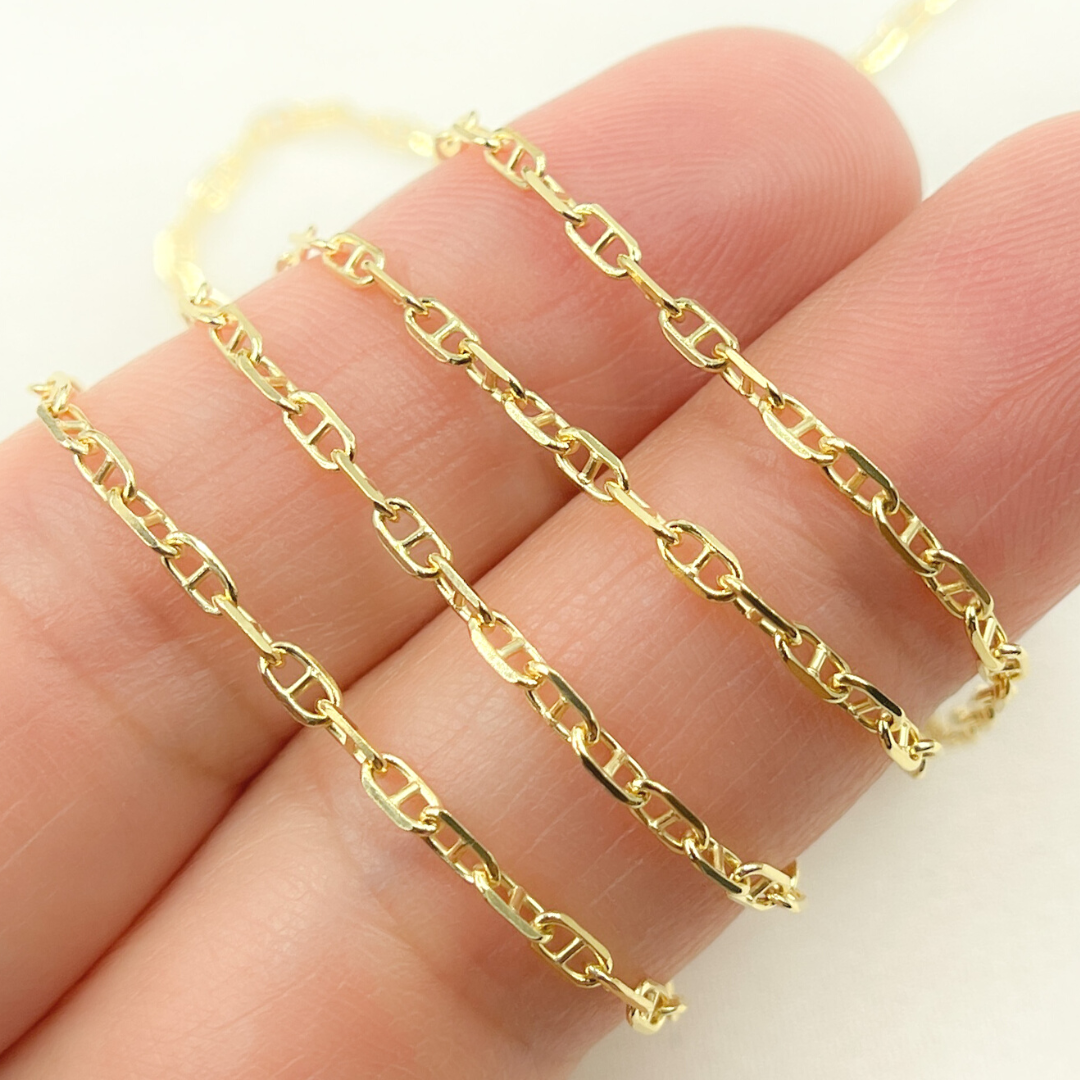
Solid gold jewelry is the same material all the way through. There's no base metal underneath, no coating that wears away, no surprise waiting for you two months in. If you scratch the surface of a solid gold ring, what's underneath is the same alloy. That's why it holds its finish for decades.
Here's a simple breakdown of what each karat actually means:
|
Karat |
Gold Content |
Best For |
|
24K |
99.9% gold |
Investment, not great for daily wear |
|
18K |
75% gold |
High purity, good durability |
|
14K |
58.5% gold |
Best balance of hardness and purity |
|
10K |
41.7% gold |
Most affordable solid gold option |
For durable gold jewelry for everyday wear, 14K is the sweet spot. Hard enough to handle daily life, pure enough to resist oxidation, and widely available across all styles and price points.
Does 14K Gold Jewelry Really Not Tarnish?
For the most part, no it doesn't. And here's why.
The metals mixed into 14K gold, things like silver and zinc, are chosen because they're relatively stable in normal conditions. They don't react the way copper and brass do. So even though it's not pure gold, the alloy as a whole behaves in a way that resists degradation.
Worth knowing though: 10K gold has a higher ratio of alloy metals. Over years of heavy use or regular chemical exposure, some people notice very slight surface changes. It's not the same as what happens to plated jewelry, not even close. A quick polish sorts it out. But it's worth being aware of if you're picking between 10K and 14K.
The aggressive tarnishing, the green skin, the rapid fading — that stuff is a base metal issue. Non-tarnish gold jewelry at the 14K level is a genuine, achievable thing.

Patina vs Tarnish: People Mix These Up All the Time
These two get confused constantly and it matters that you know the difference.
Tarnish is actual corrosion. The metal reacts chemically with sulfur or oxygen in the air and breaks down. It looks dark, flaky, and it doesn't just wipe off. This is what happens to silver, copper, brass, and the base metals inside gold plated pieces.
Patina is just buildup. Skin oils, hand cream, soap, dust — they all sit on the surface of your jewelry and make it look dull over time. It's not damaged. It's not corrosion. It's just residue.
On solid gold jewelry, almost every case of "dullness" is patina. Soak it in warm soapy water, use a soft toothbrush on the links, and dry it off. The shine comes straight back because the surface underneath was never actually damaged.
That's the key reason real gold jewelry keeps shining long-term. The metal's not breaking down. It just needs a clean every now and then.
Gold Filled vs Solid Gold: What's Actually Worth Buying?
This comparison comes up a lot when people are looking for a non tarnishing gold necklace that won't destroy their budget.
Gold filled means a solid layer of gold has been mechanically bonded to a base metal core. That layer is thick enough (at least 5% of total weight) that it takes years of daily wear before any base metal shows. A well-made gold-filled piece can genuinely last 15 to 25 years with basic care. It's a real option, not a scam.
Solid gold has no base metal at all. It lasts forever, survives resizing and re-polishing, and holds its value. It's the only type you can genuinely hand down through your family without it degrading.
Here's how they stack up:
|
Type |
Resists Tarnish |
Lifespan |
Daily Wear Safe |
Water Resistant |
|
Solid Gold (14K/18K) |
Yes |
Lifetime |
Yes |
Yes |
|
Gold Filled |
Mostly yes |
10 to 30 years |
Yes with care |
With caution |
|
Gold Plated |
No |
1 to 3 years |
No |
No |
|
Vermeil |
Limited |
2 to 5 years |
No |
No |
If you're after long-lasting gold jewelry that you don't have to baby, solid gold wins every time. Gold filled is a reasonable middle ground when budget is tight.
Can You Actually Wear Solid Gold in Water?
Short answer: yes, for most situations.
Showering, washing your hands, getting caught in the rain, sweating at the gym — none of that damages solid 14K or 18K gold. Waterproof gold jewelry at this karat level is genuinely water-safe for everyday exposure.
A few things to watch though:
- Chlorine in swimming pools reacts with the alloy metals in gold over time. It won't ruin your piece from one swim, but regular pool exposure adds up
- Saltwater can cause minor surface dulling on lower karat pieces with prolonged contact
- Cleaning chemicals and bleach are worth avoiding — not because they'll destroy the gold instantly but because repeated exposure affects the finish
Taking your solid gold off before a swim is just good habit, not a requirement for the jewelry's survival.
Is Solid Gold Safe for Sensitive Skin?
Generally yes, but the details matter.
18K solid gold is the safest option for anyone with sensitive skin. At 75% gold content, there's minimal room for skin-reactive metals to cause issues. Most people with metal sensitivities wear 18K without any problems.
14K solid gold is fine for the majority of people. The exception is a true nickel allergy. Some 14K alloys use nickel as a hardening agent. If your skin reacts badly to cheaper metals, ask specifically for nickel-free 14K, which uses silver, zinc, or palladium instead.
Gold plated pieces are often the actual culprit in skin reactions. The gold surface is fine but as it wears off, the nickel-heavy base metal makes direct contact with skin.
For properly hypoallergenic gold jewelry, go with 18K or a confirmed nickel-free 14K piece. Ask the retailer for alloy details if it's not listed.
How to Pick the Right Solid Gold for Your Life
Shopping for everyday wear gold jewelry isn't complicated once you know what to look for.
Check the hallmark first: Every genuine solid gold piece is stamped somewhere — inside the ring, on the clasp, near the jump ring. Look for 14K, 18K, 585, or 750. No stamp means no guarantee.
Pick your karat based on how you actually live
- You work with your hands, exercise daily, never take jewelry off: 14K is harder and holds up better
- You wear jewelry for occasions or want the highest purity feel: 18K is the right call
Skip hollow construction for daily pieces: Hollow gold looks fine on a shelf but dents in real life. For a gold necklace that won't tarnish and won't lose its shape, go solid or semi-solid construction even if it costs a bit more.
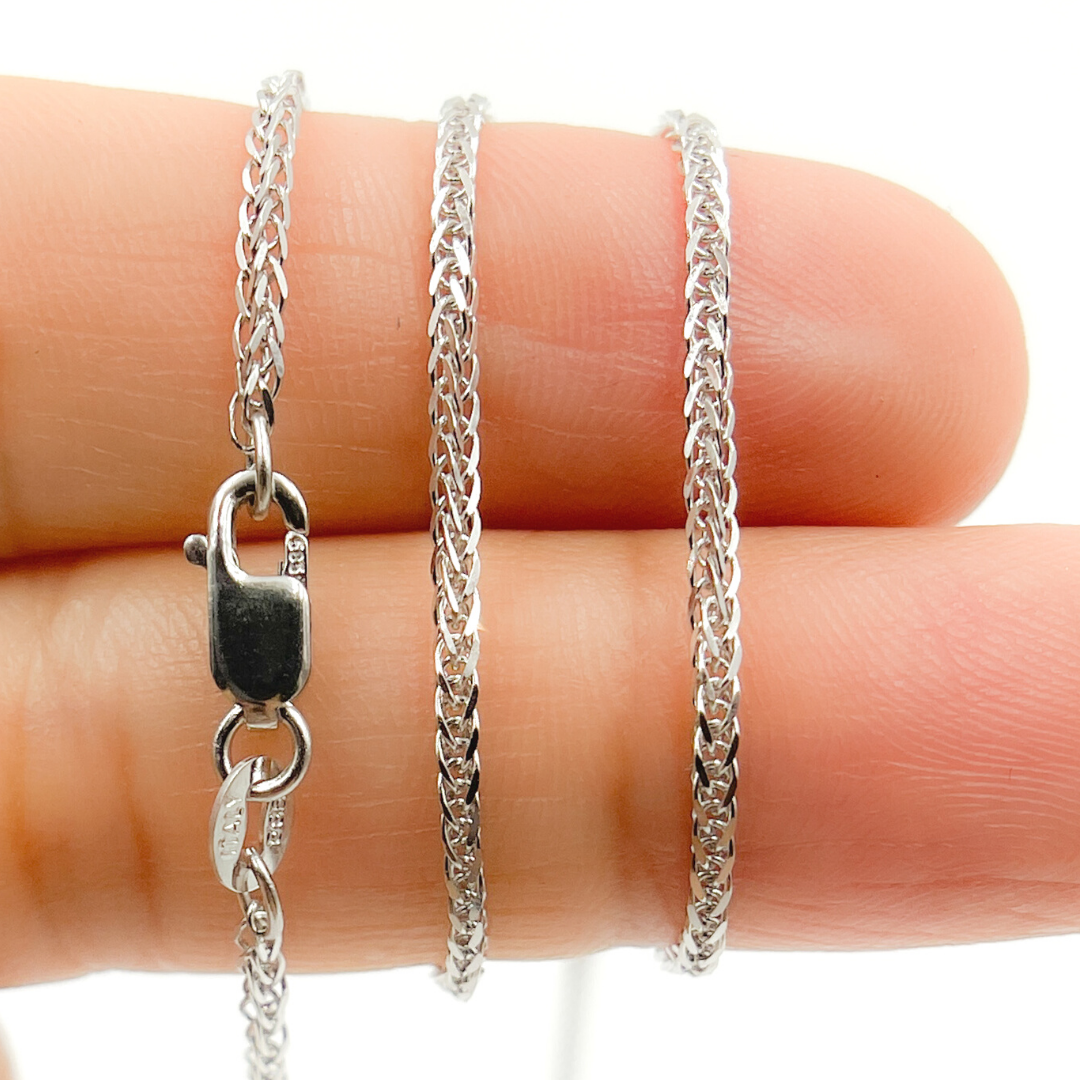
Think about chain type: rope chains, box chains, and franco styles handle daily movement and pulling better than delicate link styles. Thin links snap. Thick links last.
Keeping Solid Gold in Good Shape is Pretty Simple
No special products needed. These habits are enough:
- Warm water with a drop of dish soap and a soft toothbrush every few weeks for daily-wear pieces
- Dry it properly after cleaning, especially inside chain links
- Store each piece separately so they don't scratch each other
- Take it off before pool swims, applying perfume, or using cleaning products
- A soft microfiber cloth buffs out surface dullness in under a minute
If your solid gold piece looks dull, it needs a clean. That's almost always it. Not a repair, not a re-plating. Just warm water and five minutes.
What to Look for When Buying Non-Tarnish Gold Jewelry
A trustworthy retailer makes this whole process easier. Look for suppliers who clearly disclose karat content on every listing, show hallmark certification, and carry a proper range so you can compare options without guessing.
Tresor Jewelry Inc. is one example of a supplier that does this well — they carry certified 14K and 18K solid gold alongside gold filled options, with full product specs so you're never left wondering what you're actually buying.
Also Read: Where to Buy Real Gold Jewelry Online – A Complete Guide
Starting points worth browsing:
- Solid Gold Chains — 14K and 18K full collection
- 14K Yellow Gold Chains
- 14K White Gold Chains
- 18K Gold Chains
- Gold Filled Necklaces
- 14K Gold Earrings
- 14K Necklace Collection
- 14K Gold Bangles
- New Arrivals
Final Thoughts
Solid gold jewelry that won't tarnish isn't a sales pitch. It's just how gold actually behaves when there's nothing reactive underneath it.
Buy solid gold once, look after it simply, and it genuinely looks the same years from now. The pieces people throw out after a few months were never solid gold. They were just sold that way.
Knowing your hallmarks, understanding your karats, and choosing a supplier who's upfront about what they're selling — that's really all it takes to stop replacing the same piece over and over again.
Frequently Asked Questions
Does solid gold jewelry tarnish?
No, not in the way most people mean when they use that word. True tarnish is chemical corrosion and solid gold resists it well. When a solid gold piece looks dull, it's almost always a surface buildup issue that a quick clean fixes. Lower karat gold like 10K may show very minor tonal shifts over many years but that's not the same thing as tarnishing.
What karat of gold won't tarnish?
All solid gold from 10K upward holds up far better than plated jewelry. For the most consistent, low-maintenance finish, 14K and 18K are the most recommended. They handle daily exposure without any meaningful degradation.
Can I shower with solid gold jewelry?
Yes. Solid 14K and 18K gold is fine in the shower. Just try to keep it away from chlorinated pools regularly and dry it off properly after extended water exposure.
How is gold filled different from gold jewelry that doesn't fade?
Gold filled has a thick bonded gold layer over a base metal core. Done right, it holds up really well and lasts for many years. It's not solid gold but it performs way better than standard plating. If you want zero base metal in the piece, solid gold is the only path there.
How do I know if my gold jewelry is real?
Look for a hallmark stamp — 14K, 18K, 585, or 750. A jeweler can test it properly with an acid test or an electronic tester. You can also try a magnet at home since real gold isn't magnetic.
What's the best solid gold for sensitive skin?
18K solid gold first, because the high gold content leaves little room for reactive metals. For 14K, specifically ask for nickel-free alloys. Stay away from gold-plated options entirely if skin sensitivity is a concern.
Why does my gold look dull even though it's real?
That's patina, not tarnish. Skin oils, lotions, and soap build up on the surface over time and make it look flat. Warm water and a soft brush bring the shine back instantly. The gold underneath is completely fine.