
What Is Sterling Silver? Complete Guide for Buyers
Sterling silver is one of the most widely used precious metals in jewelry and decorative items. But many buyers still have questions about what it actually is, how pure it is, and what it costs.
This guide covers everything you need to know in simple, clear language.
What Is Sterling Silver Made Of?
Sterling silver is a metal alloy. It contains 92.5% pure silver and 7.5% other metals, usually copper. Sometimes zinc or germanium is used instead of copper.
Pure silver by itself is too soft for jewelry. It bends easily and scratches quickly. Adding copper makes the alloy harder and more durable without losing the silver appearance or value.
So what is sterling silver made of? Silver plus copper, in a 92.5 to 7.5 ratio. That is the standard used worldwide.
What Is 925 Sterling Silver?
The "925" stamp is a hallmark. It means the metal contains 925 parts of silver per 1000, which equals 92.5% pure silver.
When people ask what is 925 sterling silver, the answer is simple. It is exactly the same thing as sterling silver. The number just shows the silver content in a direct way.
Some pieces are stamped S925 instead of 925. What is s925 sterling silver? Same metal, same purity, same standard. The "S" stands for silver. Many pieces made in Asia and Europe use this format.
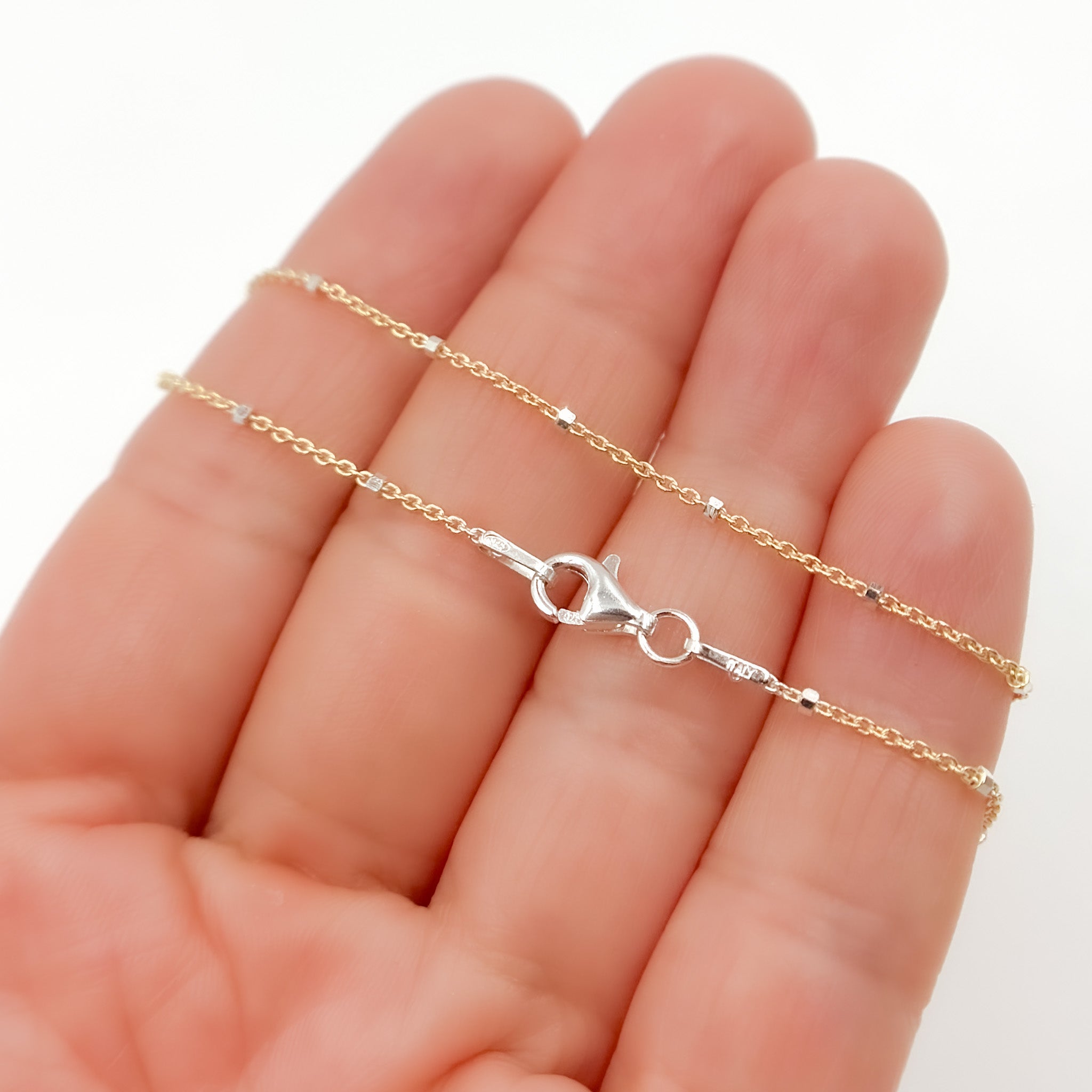
Z36GS1F. Gold Plated Sterling Silver Chain with Silver Cubes
View Product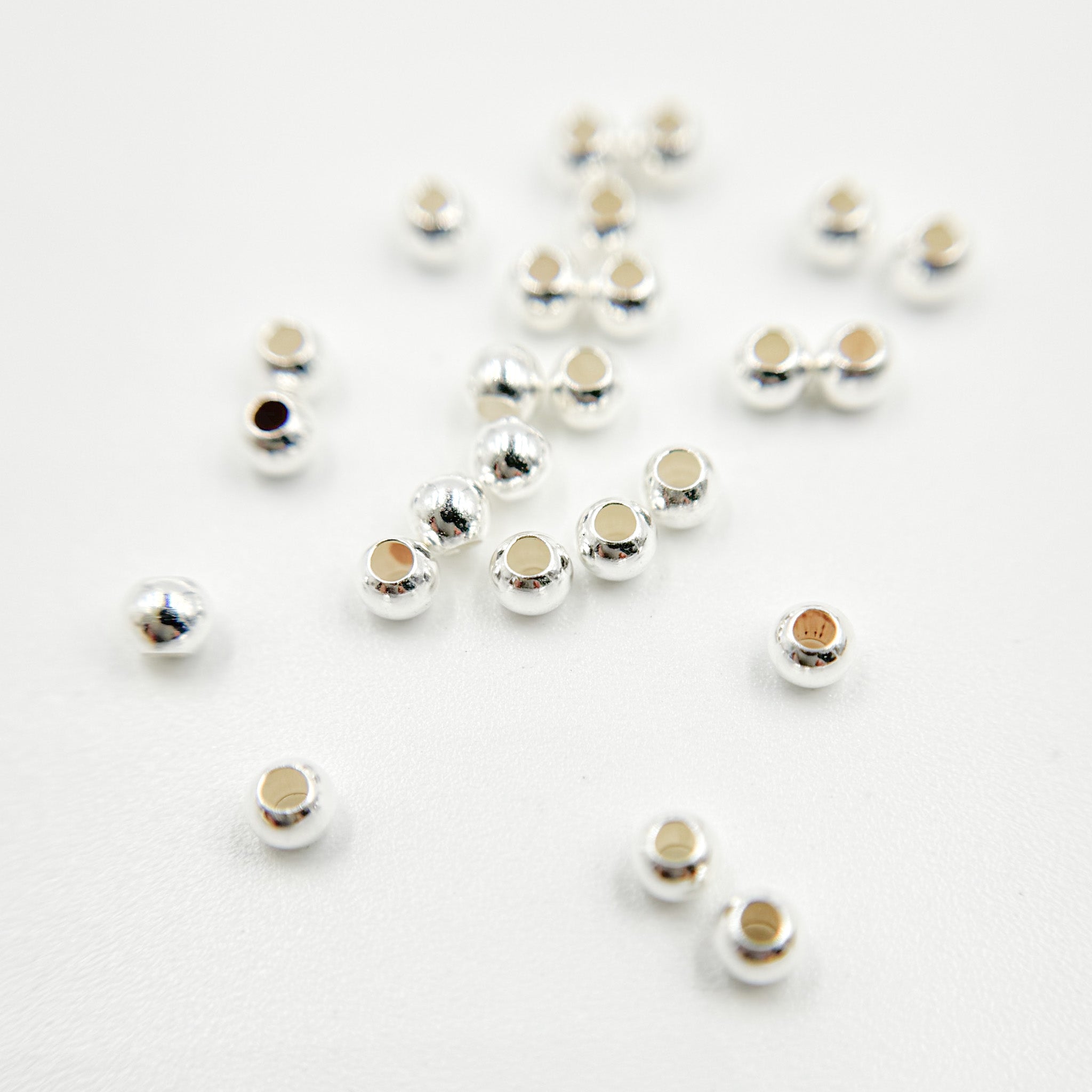
0925SB25H12L. 2.5MM Sterling Silver Seamless Beads
View Product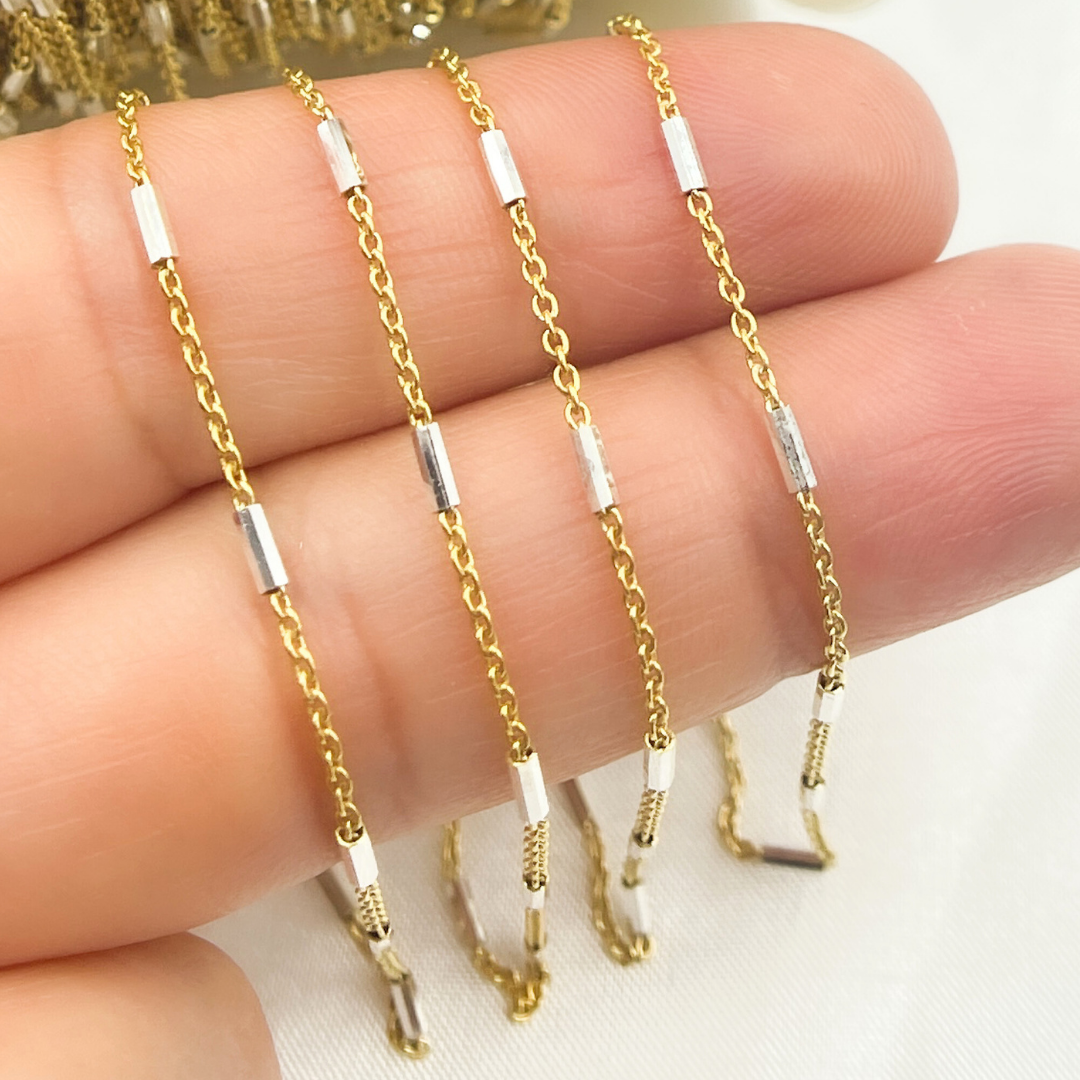
Z9GS1. Sterling Silver Gold Plated With Silver Tube Chain
View Product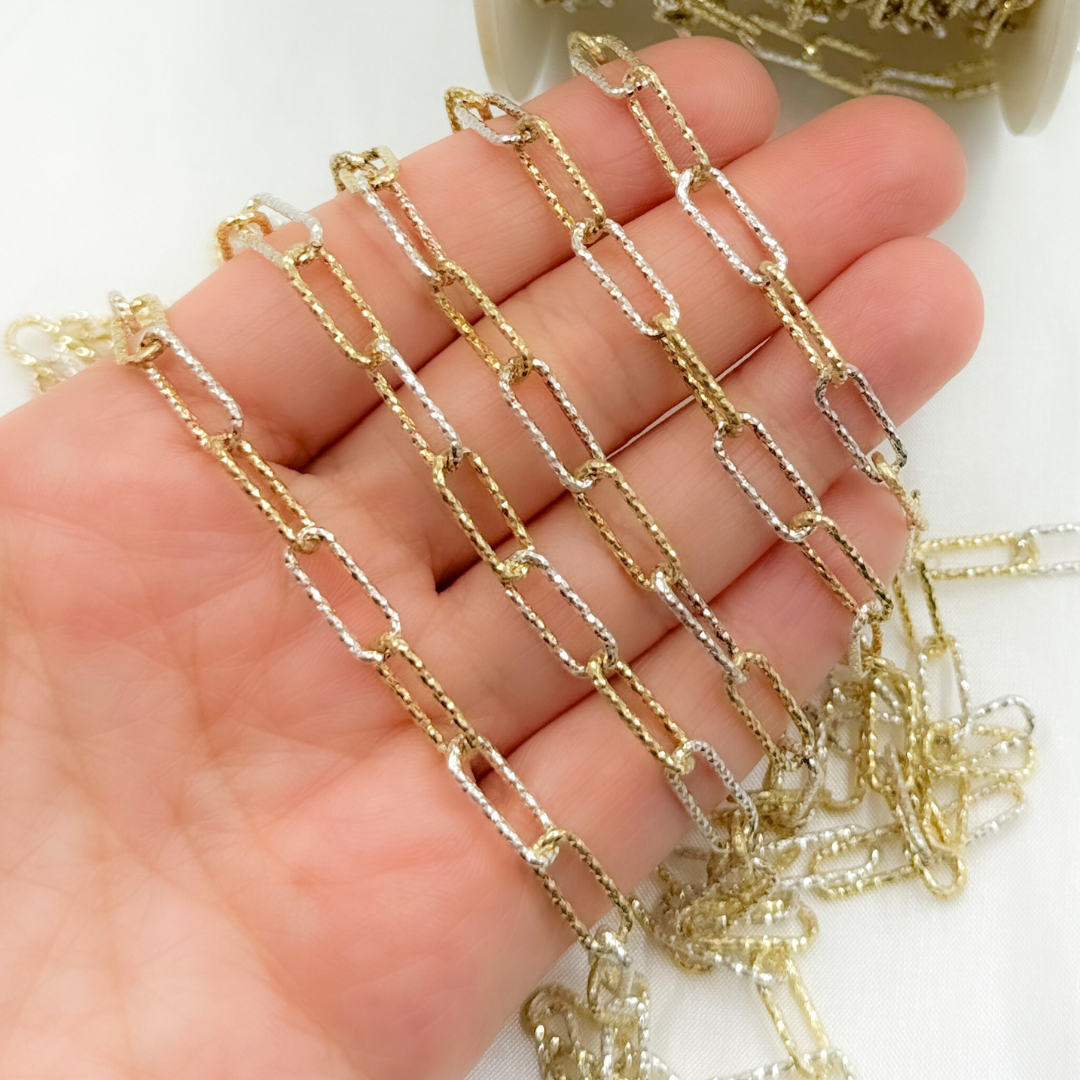
V9GS. Gold Plated and Sterling Silver Diamond Cut Paper Clip Chain
View Product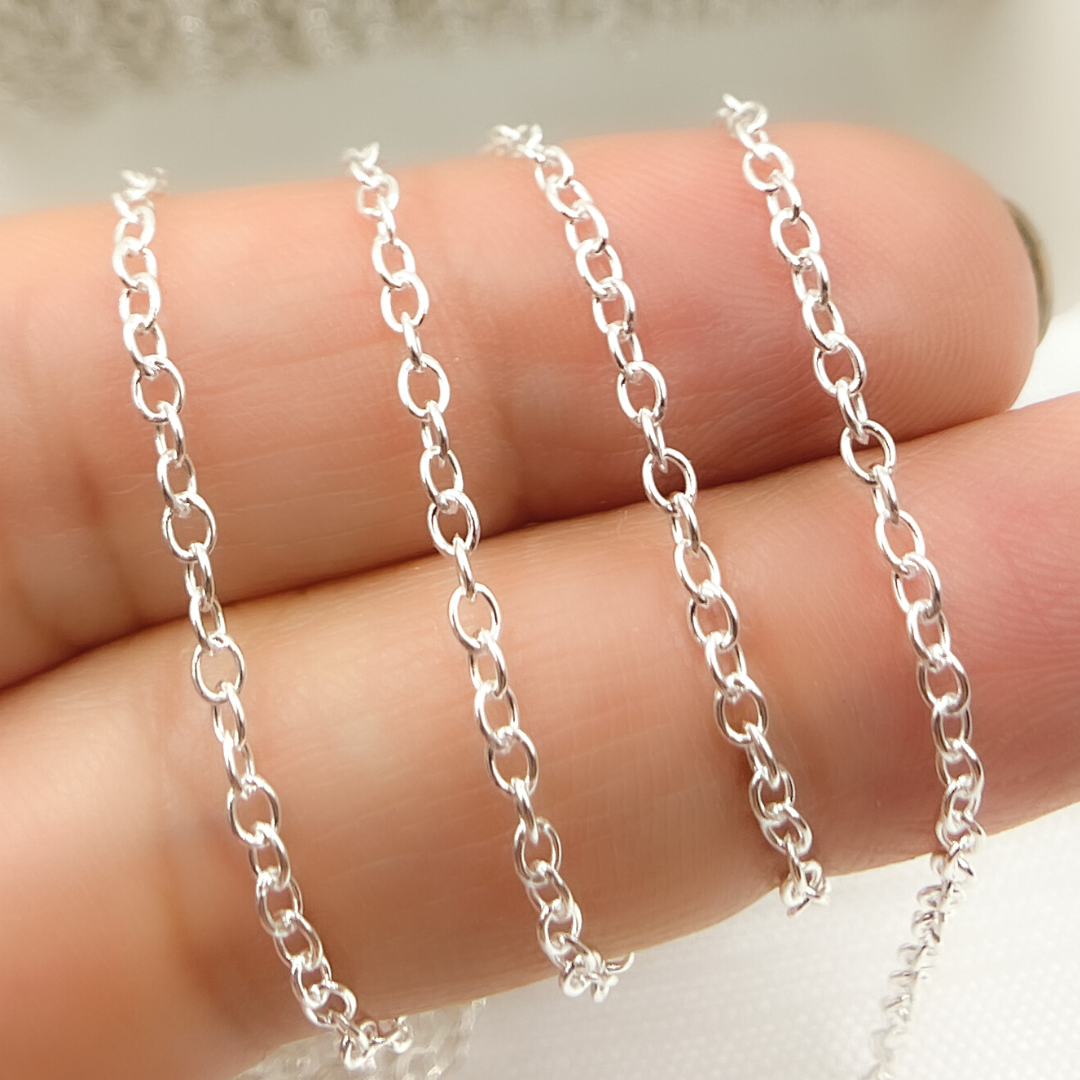
V195SS. Sterling Silver Smooth Oval Link Chain
View Product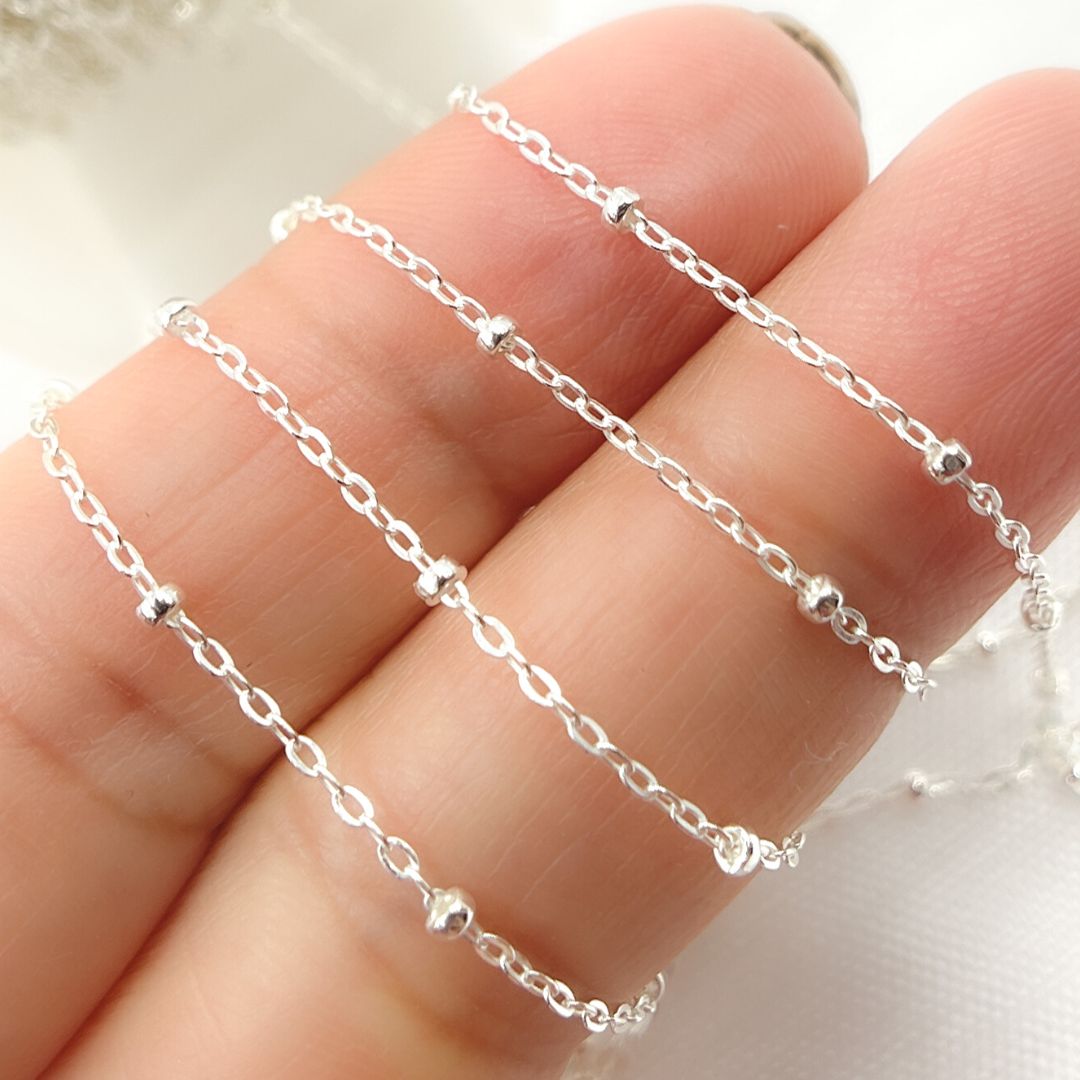
1104SS. Sterling Silver Satellite Chain
View Product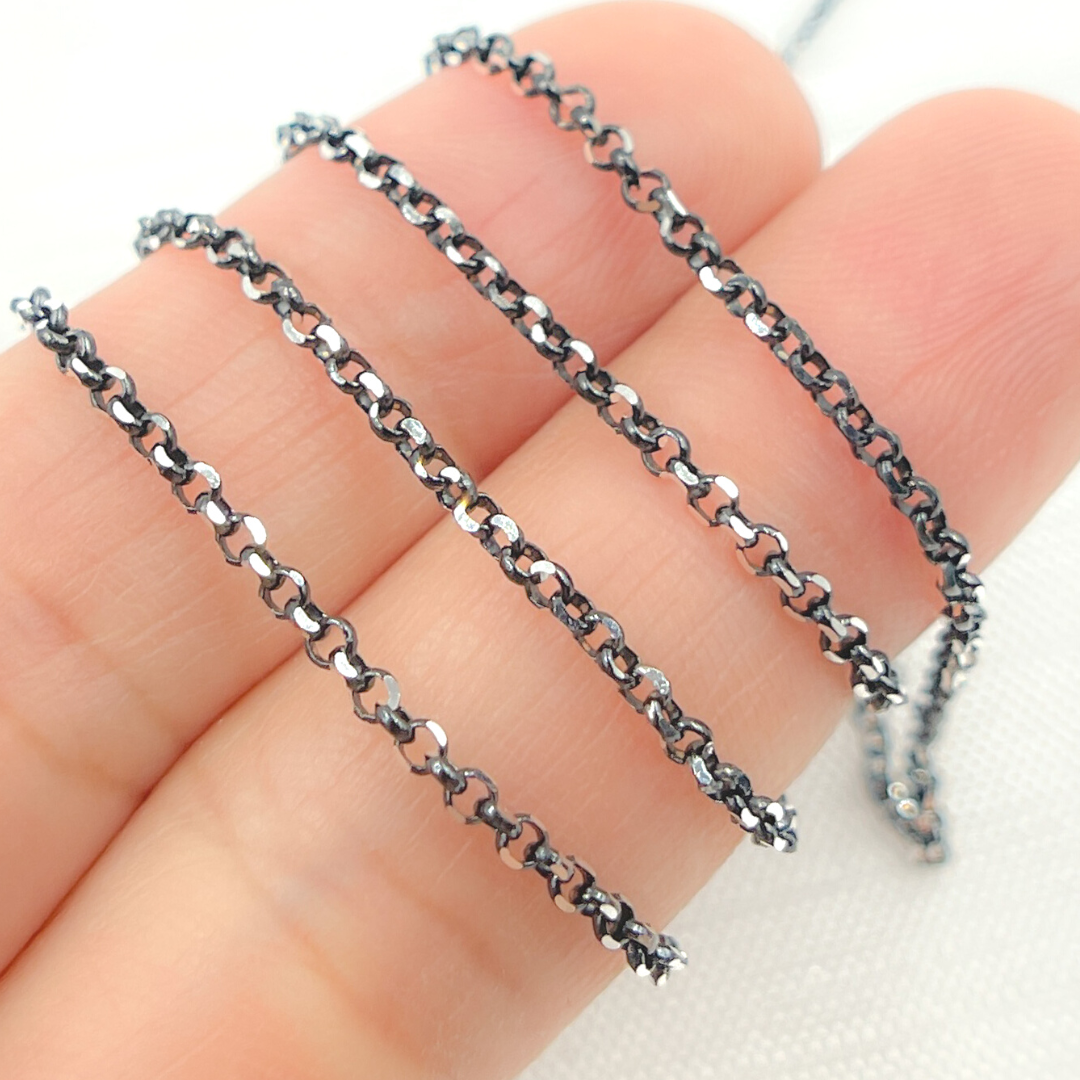
X3SBDC. Black Rhodium & White Sterling Silver Rolo Chain
View Product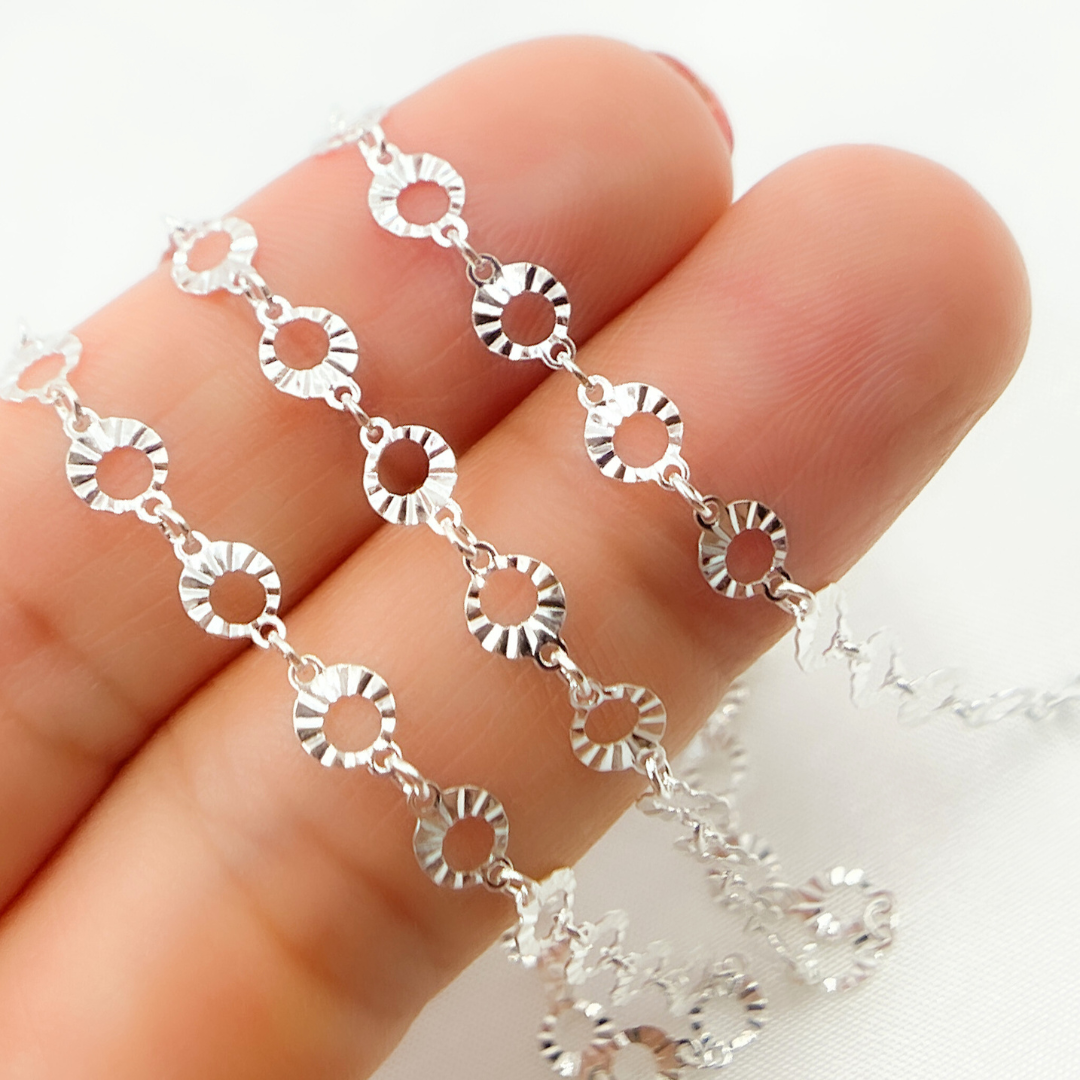
V20DCSS. Sterling Silver Diamond Cut Circle Link
View Product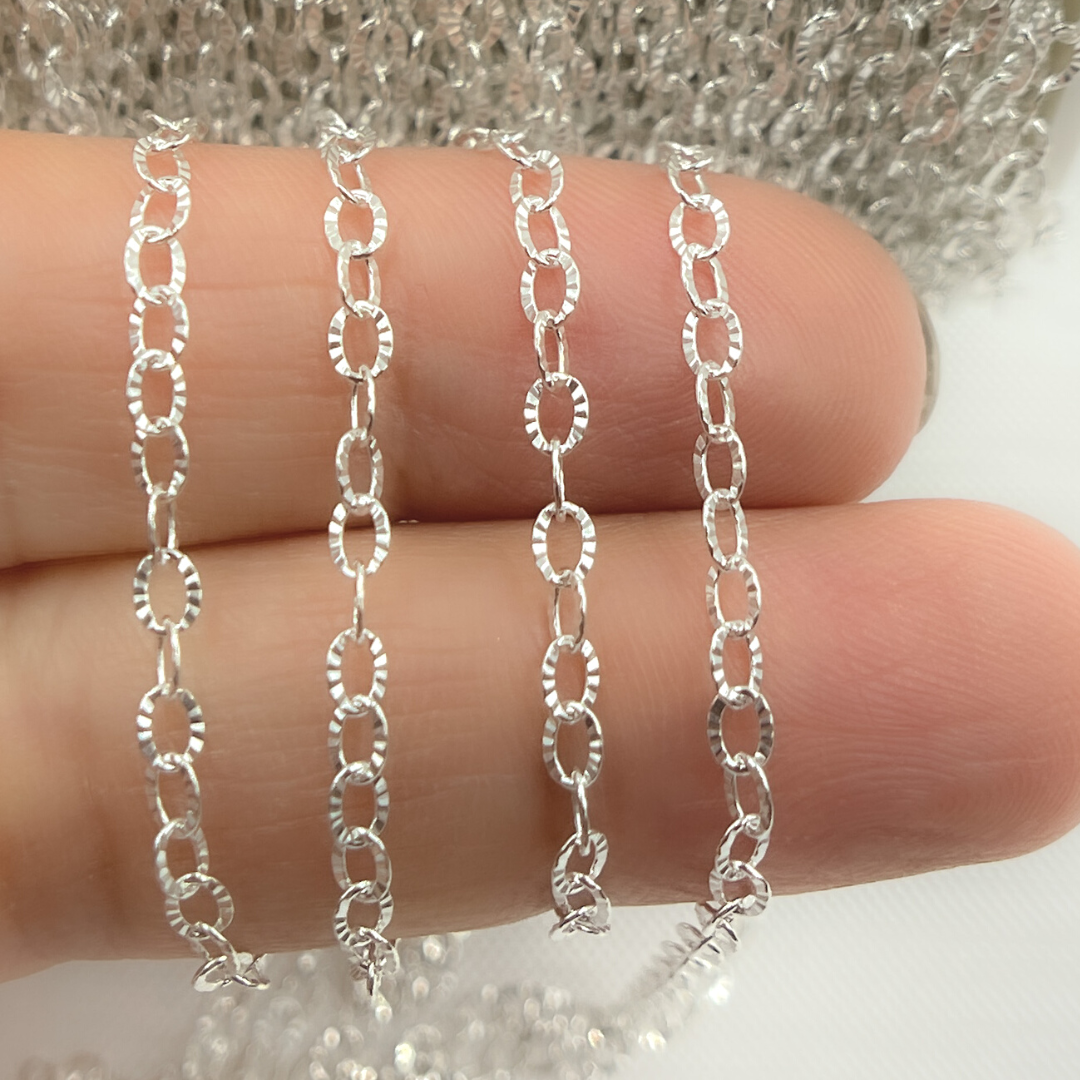
V187SS. Sterling Silver Hammered Oval Link Chain
View Product
Z36GS1F. Gold Plated Sterling Silver Chain with Silver Cubes
View Product
0925SB25H12L. 2.5MM Sterling Silver Seamless Beads
View Product
Z9GS1. Sterling Silver Gold Plated With Silver Tube Chain
View Product
V9GS. Gold Plated and Sterling Silver Diamond Cut Paper Clip Chain
View Product
V195SS. Sterling Silver Smooth Oval Link Chain
View Product
1104SS. Sterling Silver Satellite Chain
View Product
X3SBDC. Black Rhodium & White Sterling Silver Rolo Chain
View Product
V20DCSS. Sterling Silver Diamond Cut Circle Link
View Product
V187SS. Sterling Silver Hammered Oval Link Chain
View ProductSterling Silver Hallmarks Compared
|
Stamp |
Meaning |
|
925 |
92.5% silver, international standard |
|
S925 |
Same purity, common on imported pieces |
|
Sterling |
Traditional marking on older pieces |
|
.925 |
Same as 925, different format |
What is sterling silver 925? It is the same as all of the above. Some people write it in a different order but the purity does not change.
What Purity Is Sterling Silver?
The purity of sterling silver is 92.5% fine silver. This is set by international standards and is the minimum required for a product to be legally called sterling silver in most markets.
|
Silver Type |
Purity |
Common Use |
|
Fine silver |
99.9% |
Bullion, coins |
|
Sterling silver |
92.5% |
Jewelry, flatware |
|
Coin silver |
90% |
Old coins, antiques |
|
Silver-plated |
Very thin layer |
Budget fashion items |
Sterling silver sits at the right balance between silver content and durability. Fine silver at 99.9% is too soft for everyday use. Sterling at 92.5% is strong enough to wear daily while still being classified as a precious metal.
What Is the Difference Between Silver and Sterling Silver?
This is one of the most common questions buyers ask. The two terms are not the same.
Pure silver (fine silver) is 99.9% silver. It is very soft, bends easily, and is difficult to use in detailed jewelry designs. It is mainly used for bullion bars and collectible coins.
Sterling silver is 92.5% silver with 7.5% added metal. It is harder, more scratch resistant, and far more practical for rings, necklaces, earrings, and other wearable items.
Key differences at a glance:
- Pure silver is softer than sterling silver
- Sterling silver is more durable for daily wear
- Pure silver has a slightly brighter white tone
- Sterling silver tarnishes more because of the copper content
- Sterling silver is much more common in retail jewelry
What is the difference between sterling silver and silver for buyers? Sterling silver is the better practical choice for anything you plan to wear regularly.
What Is Sterling Silver Worth?
Sterling silver has real monetary value because it contains 92.5% actual silver. The value depends on two things: the current silver spot price and the weight of the piece.
Melt Value Formula:
Value = Weight in troy ounces x Spot price x 0.925
Example: Silver is trading at $30 per troy ounce. You have a sterling piece weighing 2 troy ounces. Melt value = 2 x 30 x 0.925 = $55.50
What is the value of sterling silver today? As of mid-2025, silver spot price has been trading between $28 and $33 per troy ounce. This changes daily. Check live pricing on Kitco or APMEX for the current figure.
Keep in mind that melt value is the floor price. A well-made piece from a reputable jeweler is worth more because craftsmanship and design add value on top of the metal content.
What Is 925 Sterling Silver Worth?
What is 925 sterling silver worth? The calculation is identical to regular sterling silver because they are the same thing.
A 925 sterling silver ring weighing 5 grams has a melt value of roughly $4 to $6 at current prices. But that same ring sold by a quality jeweler with detailed craftsmanship or gemstone settings can retail for $50 to $200 or more.
Melt value tells you what the raw metal is worth. Retail value tells you what the finished piece is worth. Both numbers matter depending on whether you are buying, selling, or appraising.
What Is Sterling Silver Jewelry?
Sterling silver jewelry refers to rings, necklaces, bracelets, earrings, and pendants made from 925 silver alloy. It is the most popular precious metal used in fine jewelry worldwide.
Reasons buyers prefer sterling silver jewelry:
- Looks similar to white gold at a much lower price point
- Holds gemstones and detailed designs well
- Hypoallergenic in most copper-based alloys
- Affordable entry point into fine jewelry
- Lasts for decades with basic care
Sterling silver jewelry does tarnish over time because copper reacts with air and moisture. Regular polishing with a silver cloth restores the shine quickly and easily.
Care tip: Store sterling silver in an airtight bag or anti-tarnish pouch when not wearing it. This slows tarnishing significantly.
What Is Oxidized Sterling Silver?
Oxidized sterling silver is a jewelry finish where the surface is intentionally darkened. The process uses a chemical called liver of sulfur to create a dark patina on the metal surface.
This finish highlights engraved patterns, textures, and designs by creating contrast between the dark recessed areas and the bright raised surfaces. The result is an antique or vintage look that is popular in artisan and bohemian jewelry styles.
Important points about oxidized sterling silver:
- The base metal is still 925 sterling silver
- The dark color is a surface treatment only
- High-contact areas naturally lighten over time from wear
- The finish can be restored by a jeweler if needed
- Polishing with a silver cloth gradually removes the oxidation
What Is More Expensive: Sterling Silver or Stainless Steel?
Sterling silver costs more than stainless steel in almost every case. Here is why the price gap exists:
|
Feature |
Sterling Silver |
Stainless Steel |
|
Precious metal content |
92.5% silver |
None |
|
Intrinsic value |
Yes |
No |
|
Tarnish resistance |
Moderate |
High |
|
Hypoallergenic |
Usually yes |
Yes |
|
Durability |
Good |
Excellent |
|
Resale or melt value |
Yes |
No |
|
Price |
Higher |
Lower |
Stainless steel is durable and budget-friendly. It does not tarnish and resists scratches well. But it contains no precious metal and has no melt value.
Sterling silver is a precious metal with genuine financial value and cultural significance. For everyday budget accessories, stainless steel works fine. For meaningful jewelry pieces or anything intended to hold lasting value, sterling silver is the right choice.
How to Tell If Sterling Silver Is Real
Not every piece marketed as silver is genuine sterling. Quick checks to verify:
- Check the hallmark: Look for 925, S925, or Sterling stamped on the piece
- Magnet test: Real silver is not magnetic. If it sticks to a magnet it is not sterling silver
- White cloth test: Rub the piece with a white cloth. Real sterling silver leaves a faint black oxidation mark
- Buy from reputable sources: Certified jewelers provide hallmarked pieces with clear product information
If a price looks too low for sterling silver, it likely is. Silver-plated pieces look similar but wear off over time and contain almost no precious metal.
How to Care for Sterling Silver
Sterling silver is easy to maintain with consistent habits:
- Polish with a soft silver cloth every few weeks
- Store in an airtight bag away from humidity and sunlight
- Remove before swimming, showering, or heavy exercise
- Apply perfume and lotion before putting on jewelry
- Use mild soap and warm water for deeper cleaning, then dry immediately
- Avoid abrasive cleaners or harsh chemicals
With basic care, sterling silver jewelry lasts for decades and can be passed down through generations in excellent condition.
Final Thoughts
Sterling silver is a genuine precious metal with 92.5% silver content, real monetary value, and practical durability for everyday wear. Understanding what it is, how it is marked, and what it is worth helps you make smarter buying decisions.
Whether you are shopping for a gift, adding to your own collection, or simply identifying a piece you already own, the information above covers everything you need.
Explore handpicked, hallmark-certified sterling silver jewelry at Tresor Jewelry for pieces that combine quality craftsmanship with lasting value.
Also Read:
- What Is the Best Way to Clean Sterling Silver Jewelry?
- Is Sterling Silver Hypoallergenic? A Complete Guide for Sensitive Skin
- Does Sterling Silver Turn Green? The Truth Revealed
Frequently Asked Questions
Q: Is sterling silver real silver?
Yes. Sterling silver contains 92.5% real silver and is classified as a precious metal. The remaining 7.5% is added for strength and durability.
Q: Why does sterling silver sometimes turn skin green?
The copper in the alloy reacts with skin oils and moisture. This is harmless. It happens more often with lower quality alloys or in humid conditions. High-quality 925 pieces cause this far less often.
Q: Does sterling silver rust?
No. Sterling silver tarnishes but does not rust. Tarnish is a surface reaction that polishes off easily with a silver cloth.
Q: What is the difference between sterling silver and white gold?
White gold contains actual gold alloyed with palladium or nickel and is usually rhodium-plated. It costs significantly more than sterling silver. Both have a similar bright silver appearance but white gold is harder and more scratch resistant.
Q: Is 925 sterling silver safe for sensitive skin?
In most cases yes. Copper-alloyed sterling silver is generally hypoallergenic. Nickel-based alloys can cause reactions in some people. Check the specific alloy with the seller if you have known metal sensitivities.
Q: How long does sterling silver last?
With proper care sterling silver lasts for decades. Many antique sterling pieces from over 100 years ago are still in wearable condition today.
Q: Can I shower wearing sterling silver?
Occasional exposure to water will not destroy the piece but regular showering accelerates tarnishing and dulls the finish over time. It is better to remove it before showering as a habit.
